September 15, 2026
As an insulation contractor, your reputation in the competitive construction industry is built on the high-performance results you deliver to homeowners and commercial builders. Clients rely on your expertise to create comfortable, draft-free, and highly energy-efficient environments. The product you spray is a premium building solution; in fact, according to Consumer Reports, spray foam insulation offers an R-value of R-3.2 to R-7.5 per inch. This incredible thermal resistance, combined with its unmatched air-sealing capabilities, makes it one of the most effective and sought-after materials on the market today.
However, delivering these premium results requires more than just a skilled application crew and well-maintained proportioners. It requires a seamless supply chain. Choosing the right spray foam material supplier is one of the most critical business decisions you will ever make. It dictates your profit margins, determines your daily operational stress, and limits or expands your ability to scale. If your team is constantly battling equipment malfunctions, poor chemical yields, or frustrating delivery delays, the root problem might not be your machinery — it might be your vendor.
If you are experiencing any of the following seven red flags in your day-to-day operations, it is a clear indicator that it is time to reevaluate your current partnership and look for a better source for your materials.
1. Dealing With Inconsistent Product Quality
In the spray polyurethane foam industry, chemical consistency is absolutely everything. The delicate reaction between the A-side (isocyanate) and the B-side (resin) relies on precise, stable formulations. When you purchase sets of foam, you expect them to perform the exact same way on a humid Tuesday in a residential attic as they do on a dry Friday in a commercial warehouse.
If you start noticing that batches are behaving differently — perhaps the foam is shrinking away from the studs, off-gassing excessively, suffering from poor adhesion, or curing inconsistently — your current spray foam material supplier may be providing substandard, poorly stored, or expired chemicals. Sometimes, this inconsistent quality is the direct result of a vendor storing product in warehouses that lack proper climate control before the material ever reaches your rig. You cannot afford to spend days tearing out bad foam and respraying a job at your own expense. If product quality is unpredictable, it is time to walk away.
2. Facing Frequent Shipping and Delivery Delays
In the construction sector, time is quite literally money. Your weekly scheduling is a delicate balancing act that involves general contractors, other tradespeople, homeowners, and your own specialized spray crew. When you schedule a job, you need your raw materials to arrive exactly when they were promised.
If your current vendor routinely delays shipments, loses track of freight, or fails to communicate backorders until the day before a job, they are directly damaging your bottom line. Paying an entire crew of trained installers to stand around an empty rig while waiting for a delayed delivery is a fast way to drain your profits and damage your reputation with builders. A truly dependable spray foam material supplier understands the absolute urgency of construction logistics and will have robust supply chain protocols in place to ensure your materials arrive on time, every single time.
3. Lacking Adequate Technical Support and Training
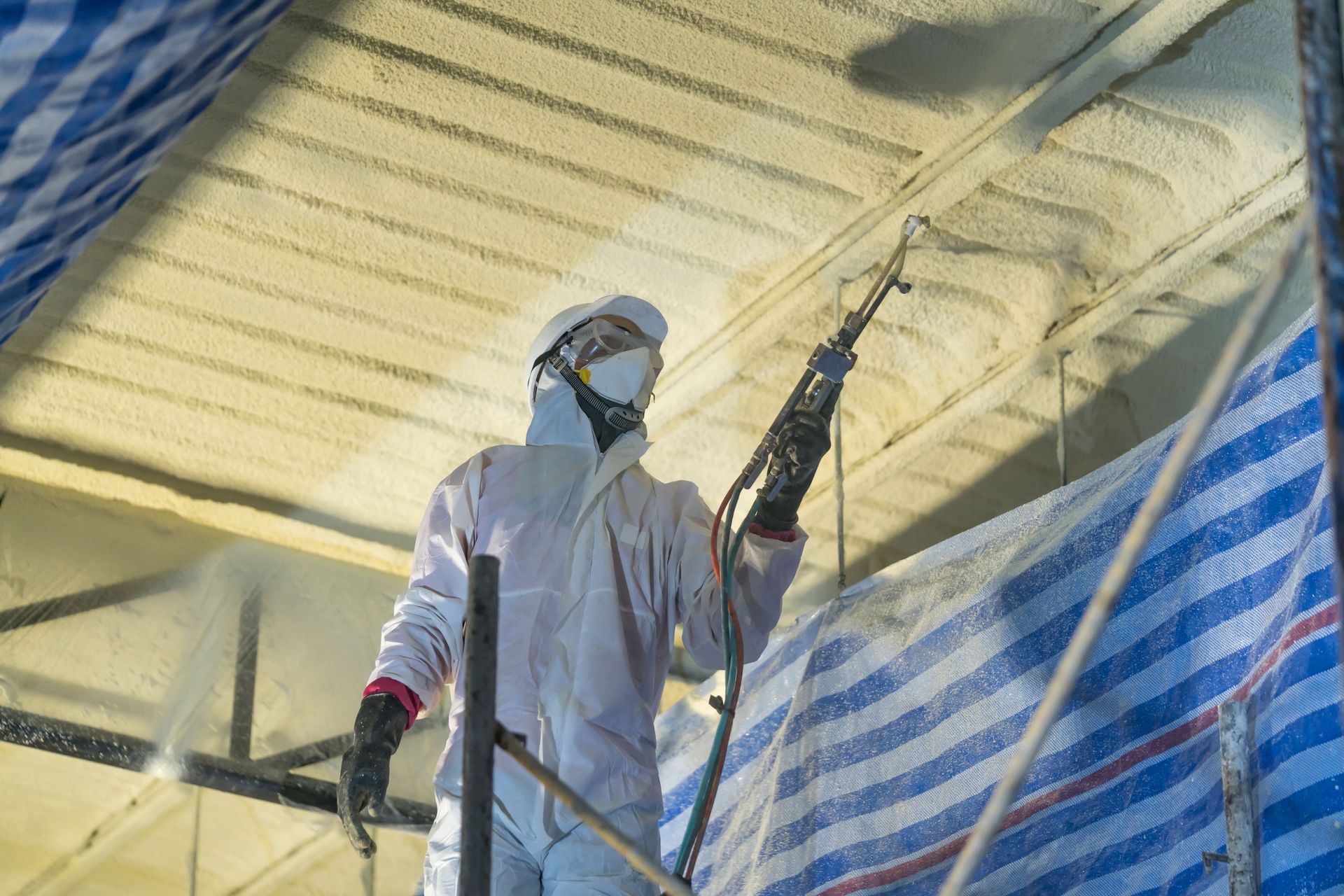
Modern proportioning machines, heated hoses, and advanced spray guns are complex pieces of highly engineered equipment. Even the most experienced and meticulous spray foam applicators occasionally run into unexpected pressure imbalances, temperature faults, or equipment blockages on the job site. When a machine throws an error code in the middle of a critical, time-sensitive application, you do not have the luxury of sending a support email and waiting days for a response.
You need a partner who provides immediate, knowledgeable technical support over the phone. If your current vendor simply sells you chemicals and abandons you when technical difficulties arise, you are missing out on a crucial aspect of a business relationship. The best vendors employ seasoned technicians who can walk your crew through troubleshooting steps, helping you get back to spraying and minimizing expensive downtime.
4. Encountering Unpredictable and Spiking Prices
Maintaining healthy profit margins requires accurate estimating, careful bidding, and strict budget management. When you bid on a large-scale commercial project or a massive multi-family residential build, you might be locking in your prices months before the actual spraying begins. To do this successfully, you need stable, predictable material costs.
While the global chemical market does experience natural fluctuations due to raw material shortages or supply chain shifts, your spray foam material supplier should act as a buffer and a strategic partner, not an opportunistic price-gouger. If you are constantly hit with surprise price hikes, hidden freight surcharges, or bait-and-switch pricing models without any proactive warning, it becomes mathematically impossible to run a profitable business.
5. Struggling With Poor Customer Communication
A successful business relationship is built on a solid foundation of transparent, proactive, and respectful communication. You should never feel like you are bothering your vendor when you call to check on an order status, request a technical data sheet (TDS), or ask for safety data sheets (SDS) for a strict commercial client who requires documentation.
If you find yourself constantly leaving unreturned voicemails, sending follow-up emails just to get simple answers, or dealing with a revolving door of account managers, you are not being valued. Poor communication inevitably leads to costly misunderstandings. A proactive spray foam material supplier ensures you have a dedicated representative who knows your equipment setup, understands your typical ordering volume, and reaches out to guarantee you have everything you need before the busy season hits.
6. Finding Limited Options in Product Selection
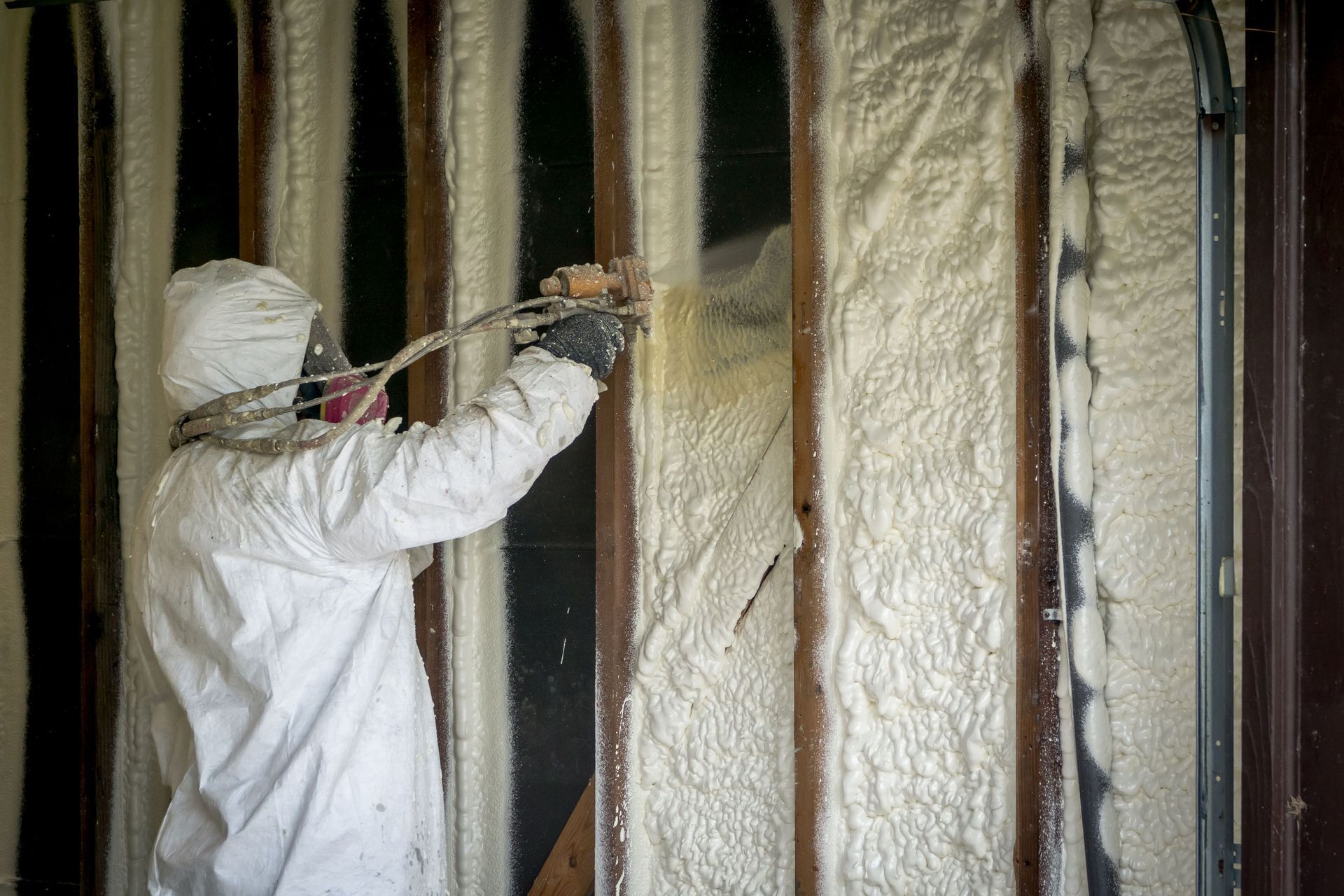
No two insulation jobs are exactly alike, and a one-size-fits-all approach does not work in this industry. One day you might be spraying open-cell foam in the interior walls of a custom home for maximum sound attenuation, and the next day you might be applying high-density closed-cell foam to the exterior walls of an agricultural facility to create an impermeable vapor barrier. Furthermore, you may need specialized intumescent coatings, roofing foams, or specific eco-friendly blowing agents to meet strict local building codes.
If your vendor only carries a limited range of products from a single manufacturer, they are actively restricting your ability to bid on diverse and lucrative projects. A top-tier distribution partner will carry a comprehensive, diverse inventory of open-cell, closed-cell, pour foams, and protective coatings from multiple leading manufacturers, ensuring you always have the exact right product for the specific application at hand.
7. Experiencing a Decrease in Material Yield
In the world of spray polyurethane foam, yield is the ultimate metric of contractor profitability. Yield refers to the total number of board feet you can successfully generate from a single set of chemicals. When yield decreases, your cost per board foot immediately skyrockets, eating directly into your net profit for that specific job.
While yield can certainly be affected by ambient temperatures, cold substrate conditions, and applicator technique, it is very frequently a material issue. If you have optimized your rig's temperatures and pressures, and your applicator is spraying flawlessly, but you are still coming up short on your board footage, the chemical itself is likely the culprit. This can happen due to old material, poor chemical formulations, or compromised blowing agents. If your spray foam material supplier dismisses your yield concerns and automatically blames your crew without investigating the batch, it is time to look for a vendor who actually stands behind the performance of their products.
We offer a massive selection of premium open-cell and closed-cell foams, protective coatings, and top-of-the-line equipment to ensure you are prepared for any job that comes your way. Don't let a subpar vendor hold your business back and eat into your hard-earned profits. Choosing our team as your spray foam material supplier means choosing consistency, reliability, and a team that has your back every single time you pull the trigger. Visit Foam Insulation Supply today to browse our extensive inventory and discover how upgrading your supply chain can transform your business.