September 15, 2026
Achieving optimal thermal performance, moisture management, and structural longevity across residential, commercial, and industrial building envelopes requires a careful selection of specialized insulation products. Modern construction standards place immense emphasis on air sealing, thermal resistance, and acoustic dampening to reduce ongoing building operational costs and improve indoor environmental comfort. Among available building insulation technologies, expansive polyurethane systems provide exceptional air barrier continuity and thermal efficiency. However, navigating the diverse array of available chemical formulations, density levels, blowing agent chemistry, and expansion characteristics can prove daunting for insulation contractors and building owners alike. According to Verified Market Research, North America commands approximately 40% of the global spray foam insulation market. Choosing improper insulation chemistry for a specific application risks off-gassing issues, substrate adhesion failures, moisture entrapment, and inadequate thermal performance. Understanding how various chemical formulations interact with ambient climate conditions, substrate materials, and building envelope assemblies empowers contractors to select ideal products for every project. Investing time into thorough preliminary material evaluation safeguards project budgets, protects building equity, and ensures long-term building envelope integrity. Partnering with accredited material distributors guarantees that field application crews receive high-performance chemical blends formulated for exact jobsite specifications. Taking time to understand technical product specifications empowers contractors to execute flawless installations that satisfy demanding building performance standards.
Evaluating Open-Cell and Closed-Cell Chemical Formulations
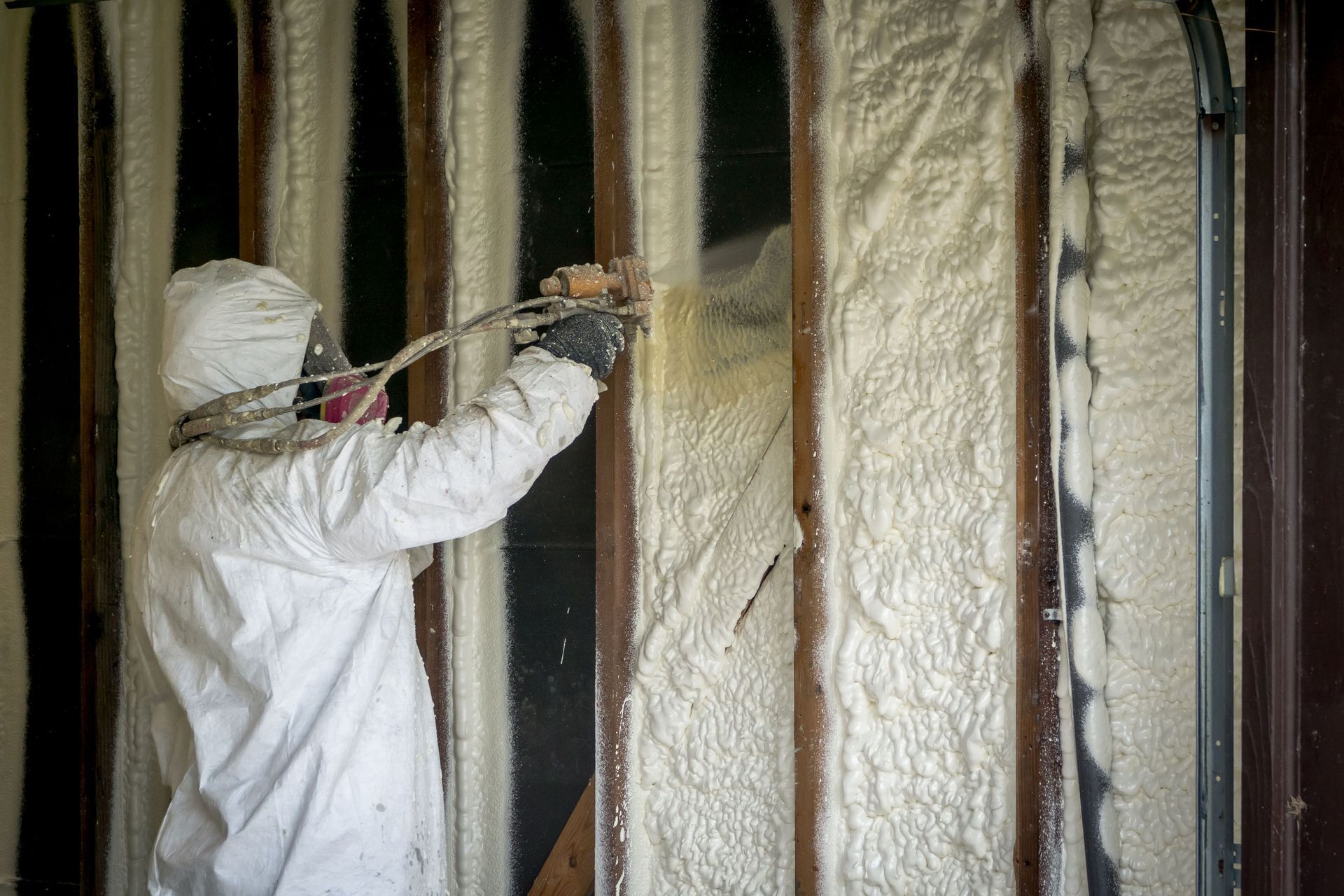
Understanding the fundamental physical distinctions between open-cell and closed-cell polyurethane chemistry represents the initial step when selecting appropriate insulation products for building projects. Open-cell chemical formulations expand rapidly upon application, creating a lightweight, flexible matrix filled with microscopic interconnected air pockets. This flexible structure provides exceptional acoustic dampening properties and cost-effective air sealing across interior wall cavities, attic spaces, and floor assemblies. Conversely, closed-cell insulation features a dense, rigid matrix where individual microscopic cells remain completely sealed and filled with specialized blowing agents. Utilizing high-performance spray foam materials engineered with closed-cell chemistry adds significant racking strength to wall assemblies while acting as a certified vapor barrier and water-resistant barrier. Furthermore, closed-cell chemistry delivers higher thermal resistance per unit of thickness compared to lighter open-cell alternatives, making it ideal for space-constrained assemblies and exterior below-grade applications. Selecting between flexible open-cell matrices and rigid closed-cell structures depends entirely on structural load demands, moisture exposure levels, and available cavity depths. Open-cell systems offer rapid expansion that fills framing gaps effortlessly, making them popular for acoustic insulation projects.
Assessing Ambient Climate Conditions and Seasonal Temperatures
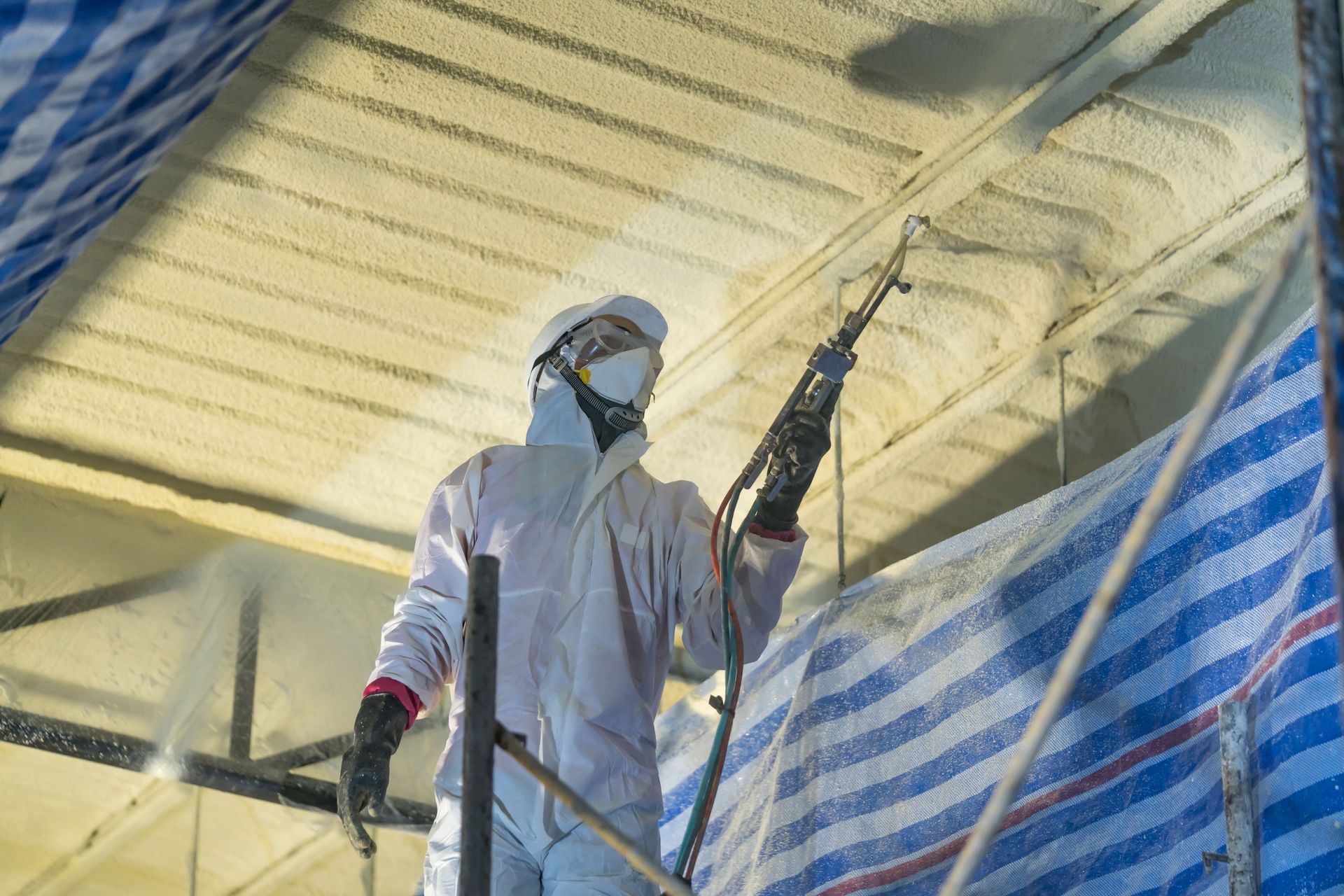
Chemical reactions during polyurethane application depend heavily on ambient air temperatures, substrate surface conditions, and relative humidity levels present on the jobsite. Applying insulation chemistry outside manufacturer-specified temperature parameters disrupts cross-linking reactions, leading to improper expansion, sticky surface residue, and compromised adhesion to structural framing. Insulation manufacturers formulate specialized summer and winter chemical blends designed to react predictably across varying seasonal climate windows. Sourcing specialized spray foam materials tailored specifically for ambient installation temperatures ensures proper chemical yield, fast tack-free times, and optimal physical density. Furthermore, winter chemical blends feature elevated reactivity rates to compensate for cold structural framing, whereas summer formulations slow down chemical exotherm to prevent internal scorching in thick pass applications. Technicians must monitor substrate surface temperatures using infrared thermometers prior to chemical application to ensure optimal chemical bonding. Matching chemical temperature tolerances with active jobsite environmental conditions prevents costly material waste and guarantees flawless insulation performance. Utilizing seasonal chemical formulations prevents slow reaction rates during cold weather applications and eliminates internal scorching risks.
Analyzing Substrate Compatibility and Surface Preparation Requirements
Securing permanent physical adhesion requires thorough evaluation of structural substrate materials, surface cleanliness, and underlying moisture levels prior to chemical application. Polyurethane chemical systems bond exceptionally well to clean OSB decking, plywood sheathing, concrete block, structural steel, and wooden framing members. However, applying expanding foam over wet timber, dusty masonry, or oily metal surfaces guarantees delamination, air pockets, and premature insulation failure. Incorporating high-quality spray foam materials demands strict adherence to surface preparation standards, including wire brushing masonry, wiping down metal studs, and verifying low wood moisture content. Furthermore, smooth or non-porous substrates like galvanized steel or PVC piping may require specialized surface primers to promote mechanical bonding before applying expanding chemical layers. Verifying substrate cleanliness and chemical compatibility prevents internal air leaks, stops moisture migration behind insulation layers, and guarantees that applied insulation remains permanently anchored to building framing. Verifying wood moisture content using digital pin meters prevents trapping moisture behind applied insulation layers.
Reviewing Building Code Regulations and Thermal Barrier Mandates
Navigating regional building codes, municipal energy standards, and fire safety regulations represents a critical compliance step during material selection for commercial and residential structures. Building codes strictly regulate plastic foam installations due to potential flammability risks, requiring approved thermal barriers or ignition barriers over exposed polyurethane surfaces. Selecting certified spray foam materials that carry verified third-party evaluation reports simplifies municipal permit approvals and guarantees full compliance with fire safety codes. Interior living spaces typically require covering exposed foam with half-inch gypsum wallboard or approved intumescent fire-protective coatings to satisfy thermal barrier mandates. Furthermore, unvented attic assemblies and crawlspaces demand specialized ignition barriers or code-compliant chemical formulations engineered with inherent flame-retardant additives. Partnering with knowledgeable suppliers ensures that selected products carry required fire ratings, smoke development indexes, and environmental safety credentials for specific architectural applications. Certified intumescent coatings expand rapidly when exposed to high heat, creating a protective char layer over polyurethane foam.
Examining Blowing Agent Technology and Environmental Compliance
Evaluating blowing agent chemistry within polyurethane formulations is increasingly vital as environmental regulations mandate transitions away from high global warming potential hydrofluorocarbons. Modern insulation manufacturing utilizes advanced hydrofluoroolefin blowing agents and water-blown chemical technology to reduce environmental impacts while enhancing thermal performance. Sourcing eco-friendly spray foam materials formulated with zero ozone-depleting hydrofluoroolefin blowing agents delivers exceptional thermal resistance while satisfying strict state and federal environmental standards. Water-blown chemical systems utilize carbon dioxide gas generated during reaction phases as the primary expanding agent, producing low-density, flexible open-cell matrices ideal for sustainable residential builds. Furthermore, modern low-global-warming blowing agents improve chemical yield, reduce off-gassing odors, and allow faster re-entry times for trade workers following application. Choosing environmentally responsible chemical formulations aligns construction projects with green building standards while ensuring safe, sustainable jobsite conditions. Advanced blowing agents feature thermal conductivity ratings that maintain high insulation performance over extended operating lifetimes.
Selecting the ideal polyurethane insulation system requires a comprehensive evaluation of open-cell and closed-cell chemistry, ambient climate conditions, substrate preparation requirements, building code mandates, blowing agent environmental impacts, and equipment operational capabilities. Matching specific chemical formulations with unique jobsite requirements ensures complete air barrier continuity, superior thermal efficiency, and long-term structural resilience across residential and commercial buildings. Prioritizing thorough material research, environmental compliance, and proper surface preparation eliminates costly application failures and protects building investments. Working alongside experienced chemical distributors transforms complex insulation selection into a smooth, efficient procurement process tailored for maximum jobsite success. Investing in superior insulation chemistry delivers an unyielding foundation for energy-efficient, durable, and sustainable building envelope design. Proactive material selection safeguards building equity and optimizes performance.
At Foam Insulation Supply, our dedicated team brings deep chemical expertise, an extensive inventory of top-tier spray foam materials, and an unwavering commitment to contractor success on every project we support, ensuring your application crews achieve maximum yield, complete code compliance, and flawless thermal performance across every building envelope. Contact us today or visit our supply facility to explore our premium chemical selection and discover how expert material solutions elevate your insulation business.