April 14, 2026
Spray foam insulation plays a defining role in modern construction, influencing everything from energy performance to indoor comfort and structural durability. As building standards continue to evolve, contractors and developers are placing greater emphasis on materials that contribute to long-term efficiency and consistent performance. Spray foam has emerged as a preferred solution because of its ability to expand, seal, and insulate in a single application, making it highly effective across a wide range of residential and commercial projects.
The impact of spray foam insulation goes beyond the material itself and extends to the capabilities of the suppliers behind it. Choosing among spray foam insulation suppliers involves evaluating product quality, availability, technical support, and reliability. These factors directly affect how well insulation performs once installed and how smoothly a project progresses. By understanding the influence spray foam insulation suppliers have on construction quality and energy outcomes, decision-makers can approach projects with greater clarity and stronger results.
Understanding Spray Foam Insulation Materials
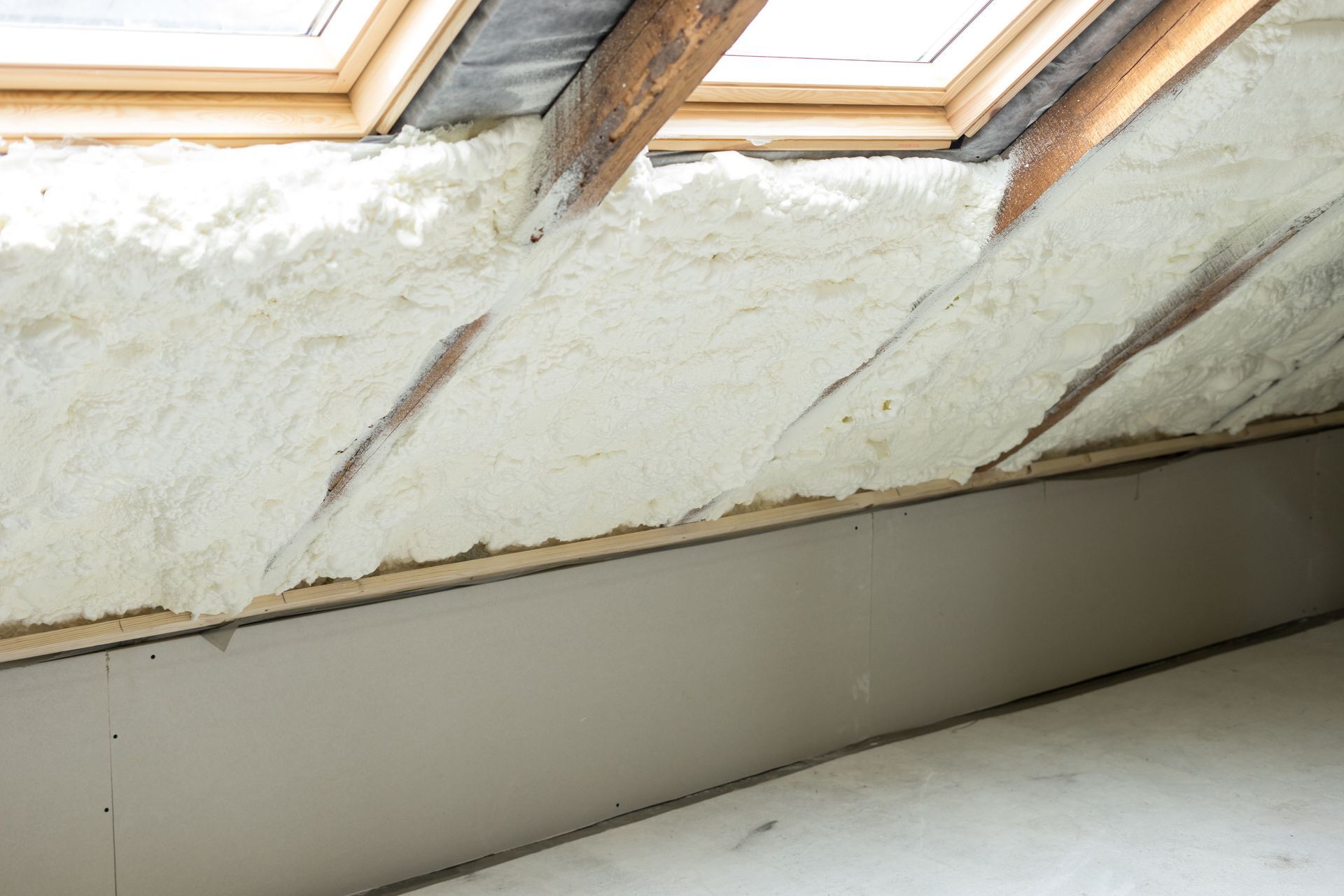
Spray foam insulation is created through a chemical reaction, forming a foam that expands rapidly when applied. This expansion allows it to fill gaps, cracks, and cavities, creating a continuous barrier that limits air movement. Unlike traditional insulation materials, spray foam forms a tight seal that helps maintain consistent indoor temperatures and reduces energy loss.
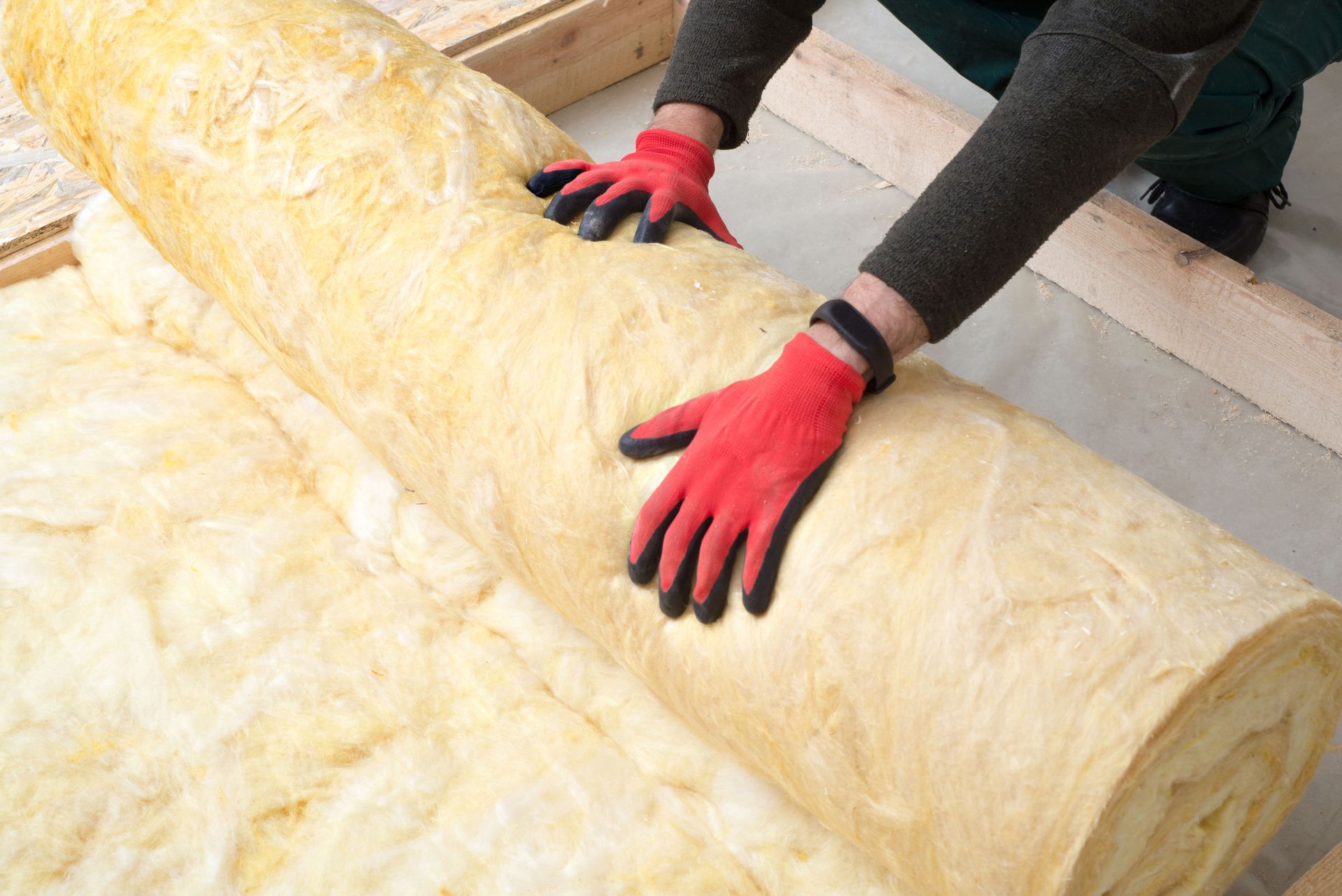
Its dual function as both insulation and an air barrier contributes to its growing popularity in construction. According to Bob Vila, while a variety of insulation types are available, because spray foam also acts as a sealant, it’s up to 50 percent more efficient than some other types. This added efficiency supports lower energy consumption and improved climate control within a building. Over time, this performance can translate into noticeable savings and a more comfortable indoor environment.
Spray foam insulation is used in a variety of applications, including attics, wall cavities, crawl spaces, and commercial roofing systems. Its adaptability makes it suitable for both new construction and retrofit projects. When working with spray foam insulation suppliers, understanding how these materials function helps guide better decisions about product selection and application methods.
Comparing Open-Cell and Closed-Cell Options
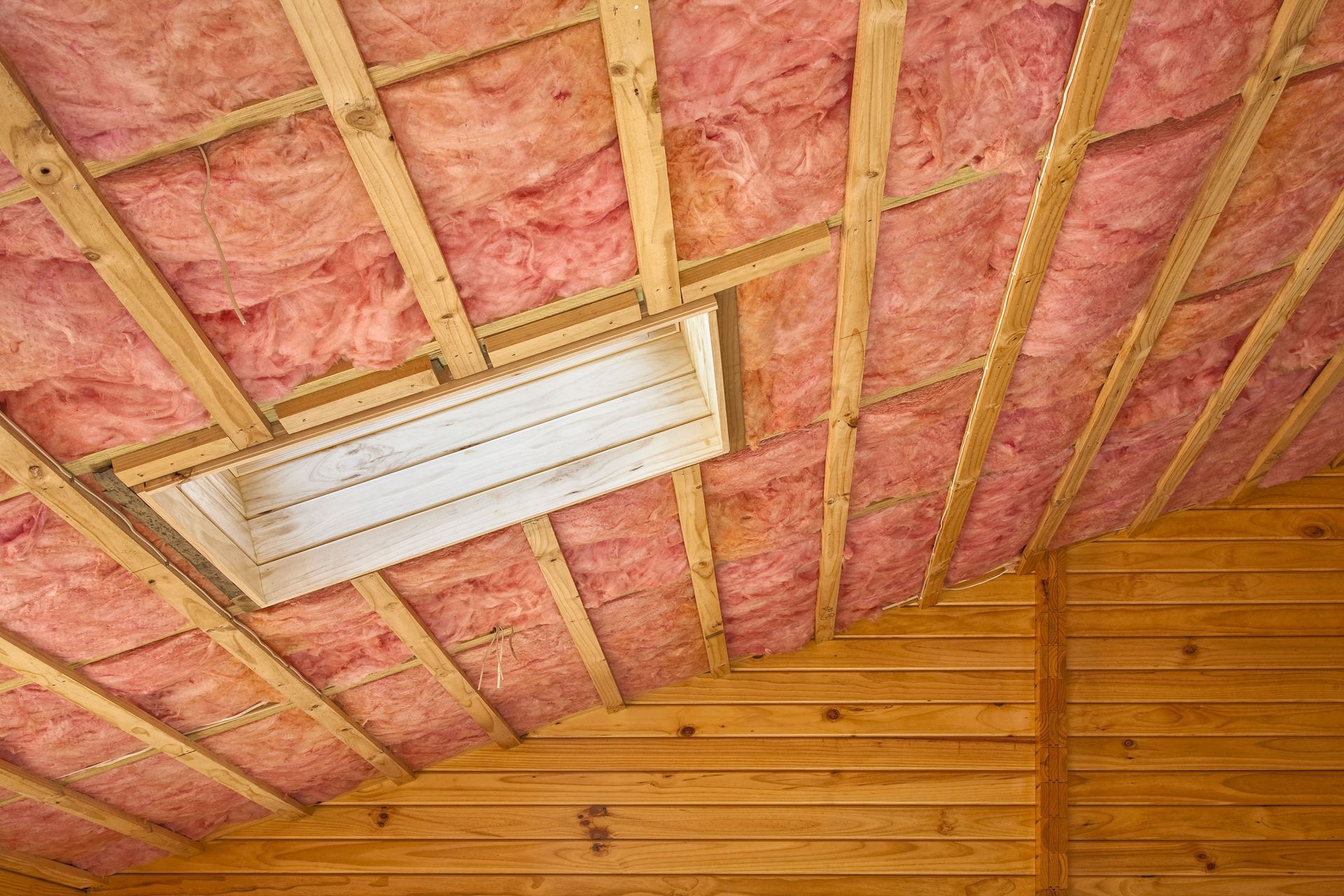
Open-cell and closed-cell spray foam insulation each offer distinct characteristics that influence their use in construction. Open-cell foam is lighter and more flexible, allowing it to expand significantly during application. This makes it well-suited for interior spaces where sound absorption and flexibility are important. It is often used in walls and ceilings where complete cavity filling is needed without adding excessive density.
Closed-cell foam is denser and more rigid, providing higher insulation values per inch and increased resistance to moisture. Its structure adds strength to walls and roofing systems, making it a preferred choice for exterior applications or areas exposed to varying environmental conditions. Closed-cell foam is often selected for projects that require enhanced durability and long-term performance.
Spray foam insulation suppliers that offer both open-cell and closed-cell products provide greater flexibility for project planning. Each type serves a different purpose, and having access to multiple options allows builders to tailor insulation strategies based on specific needs. This versatility supports better outcomes in both energy performance and structural integrity.
Assessing Supplier Capabilities and Reliability
The role of spray foam insulation suppliers extends beyond simply providing materials. Their capabilities and reliability can influence timelines, product consistency, and overall project success. Suppliers that maintain high manufacturing standards and consistent quality control help reduce the risk of performance issues during and after installation.
Reputation is another key consideration when evaluating spray foam insulation suppliers. Feedback from contractors and developers can reveal how well a supplier meets expectations in terms of delivery, communication, and product performance. A dependable supplier contributes to smoother project execution and helps avoid disruptions that can impact schedules and outcomes.
Strong customer support is equally important. Spray foam insulation suppliers that offer technical guidance, training resources, and responsive communication can make a meaningful difference during installation. This level of support allows contractors to address challenges efficiently and maintain progress on the job site.
Evaluating Product Availability and Logistics
Reliable product availability is essential for maintaining construction schedules and avoiding delays. Spray foam insulation suppliers that manage inventory effectively and maintain efficient distribution systems can support consistent project progress. Access to materials when they are needed helps contractors stay on track and reduces the likelihood of interruptions.
Logistics also play a significant role in overall efficiency. Suppliers located closer to the project site may offer faster delivery times and improved coordination. This can be particularly beneficial for large or multi-phase projects that require ongoing material shipments. Efficient logistics contribute to better time management and reduced operational challenges.
In addition, spray foam insulation suppliers with knowledge of regional building codes and environmental conditions can provide valuable insights. Their familiarity with local requirements helps guide product selection and application practices, supporting compliance and performance. These logistical and regional considerations strengthen the overall construction process.
Supporting Installation Performance and Job Site Coordination
The success of spray foam insulation depends not only on the material but also on how it is applied during installation. Proper coordination between contractors and spray foam insulation suppliers helps create a smoother workflow and more consistent results. From scheduling deliveries to preparing surfaces, each step contributes to the final performance of the insulation system.
Environmental conditions such as temperature and humidity can influence how spray foam expands and adheres. Spray foam insulation suppliers that provide clear guidelines and technical documentation help contractors adjust to these conditions. This support improves application accuracy and reduces the likelihood of inconsistencies across the insulated surface.
Ongoing communication during installation is equally valuable. Spray foam insulation suppliers that remain accessible for questions or troubleshooting can help resolve issues quickly. This collaborative approach strengthens job-site coordination and supports efficient project completion with fewer disruptions.
Maintaining Quality Standards and Compliance
Quality standards are a critical component of successful insulation projects. Spray foam insulation suppliers must provide products that meet established performance criteria and comply with industry regulations. Certifications and a testing process can help verify that materials perform as expected under various conditions.
Consistency in product quality is essential for achieving reliable results. Suppliers that prioritize quality control produce insulation that performs uniformly across different applications. This consistency reduces the risk of weak points in the building envelope and contributes to long-term durability.
Environmental and safety considerations also influence supplier selection. Many spray foam insulation suppliers now offer products designed to reduce emissions and align with sustainability goals. Choosing materials that meet these standards supports healthier indoor environments and aligns with modern construction priorities.
The spray foam insulation industry continues to evolve as new technologies and materials are introduced. Innovations in formulation have improved efficiency, reduced environmental impact, and enhanced application methods. These advancements allow builders to achieve better performance while minimizing waste and resource use.
Spray foam insulation has become an important element in achieving high-performing, energy-efficient buildings. The materials themselves offer strong advantages, but the role of spray foam insulation suppliers is just as significant. From product quality and availability to technical support and innovation, suppliers influence how effectively insulation performs in real-world applications.
Taking the time to evaluate
spray foam insulation suppliers based on their capabilities, consistency, and support can lead to stronger construction outcomes. For builders, developers, and property owners looking to improve energy performance and overall building quality, partnering with the right supplier is a meaningful step forward. Connect with Foam Insulation Supply today to move your next project toward greater efficiency, durability, and long-term value.