November 10, 2026
Effective thermal management plays a defining role in maintaining indoor comfort while substantially shaping operational expenses. Selecting the right insulation materials directly influences financial performance by trimming recurring utility bills, protecting structural assets, and bolstering market resale value. Property owners frequently underestimate the cumulative financial drain caused by substandard building envelopes. Uncontrolled air leaks force mechanical equipment to run continuously, driving monthly overhead higher and accelerating equipment wear.
Viewing thermal upgrades as a strategic investment rather than a routine expense changes how owners evaluate property performance. Strategic improvements generate predictable returns through decreased power consumption and superior climate control. By examining connections between energy conservation, product performance, property valuation, environmental responsibility, and professional installation, owners can identify clear opportunities to strengthen their bottom line. Making smart choices today establishes a durable framework for ongoing cost containment and sustained equity growth.
Maximize Energy Efficiency and Utility Savings
Understanding how thermal resistance values govern indoor climates is essential for controlling facility spending. Thermal resistance, designated as R-value, indicates how effectively a barrier resists heat transfer, with higher ratings providing stronger protection. When structures lack sufficient resistance, conditioned air escapes during harsh winters while external warmth infiltrates interior spaces throughout hot summers. Selecting dependable insulation materials tailored to specific climate zones eliminates extreme temperature swings, allowing HVAC systems to operate efficiently. This steady reduction in mechanical workload produces immediate decreases in monthly utility bills that compound over time.
Commercial and residential case studies demonstrate that targeted thermal upgrades deliver measurable operational dividends. Facilities that upgrade their exterior thermal boundaries routinely observe notable drops in peak energy demand, protecting operating margins from volatile utility rate hikes. Utility providers and government authorities often amplify these financial advantages by sponsoring rebate programs and efficiency tax credits. Securing these external incentives reduces upfront capital outlays, making system upgrades accessible and cost-effective right away.
Evaluate Modern Insulation Material Choices
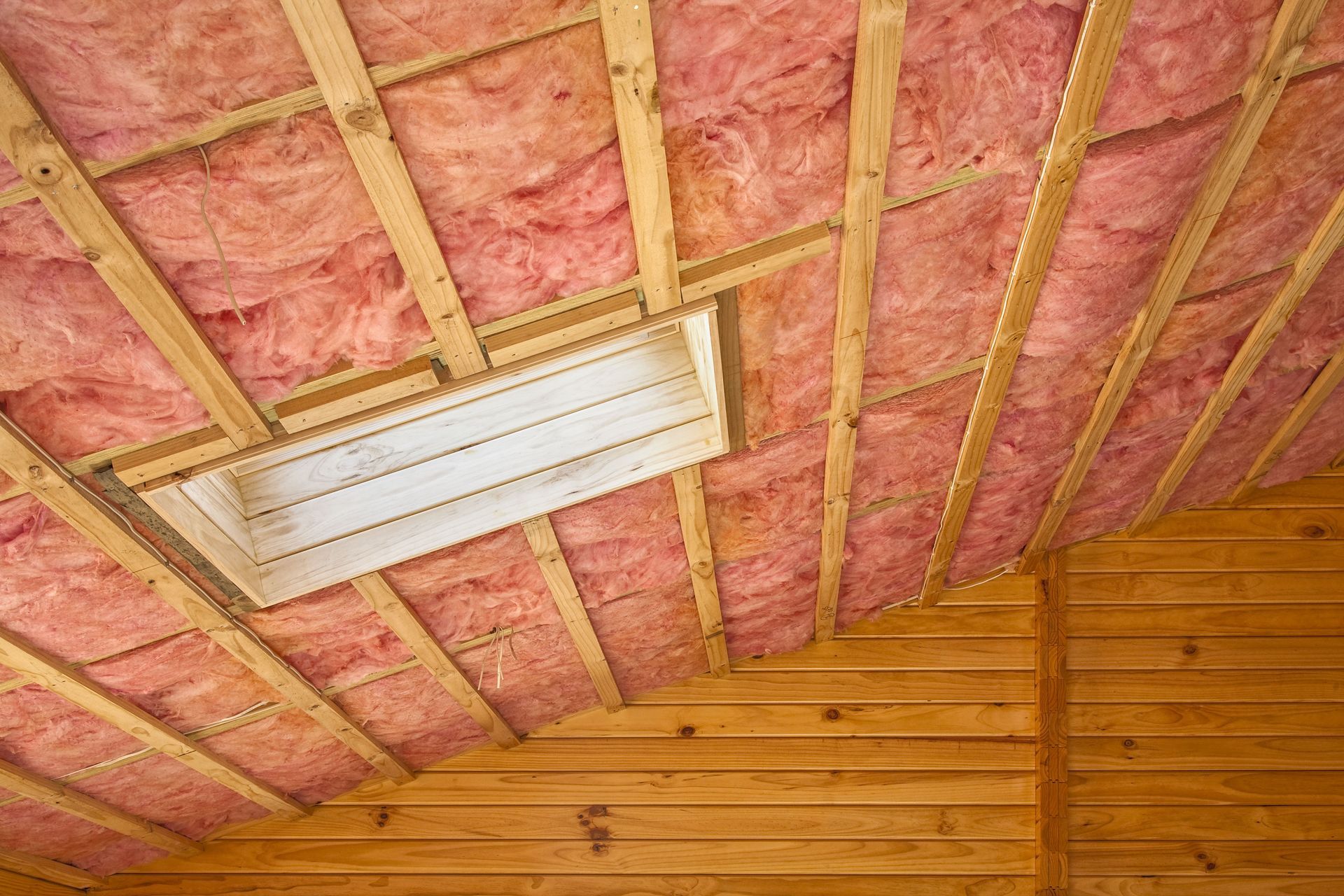
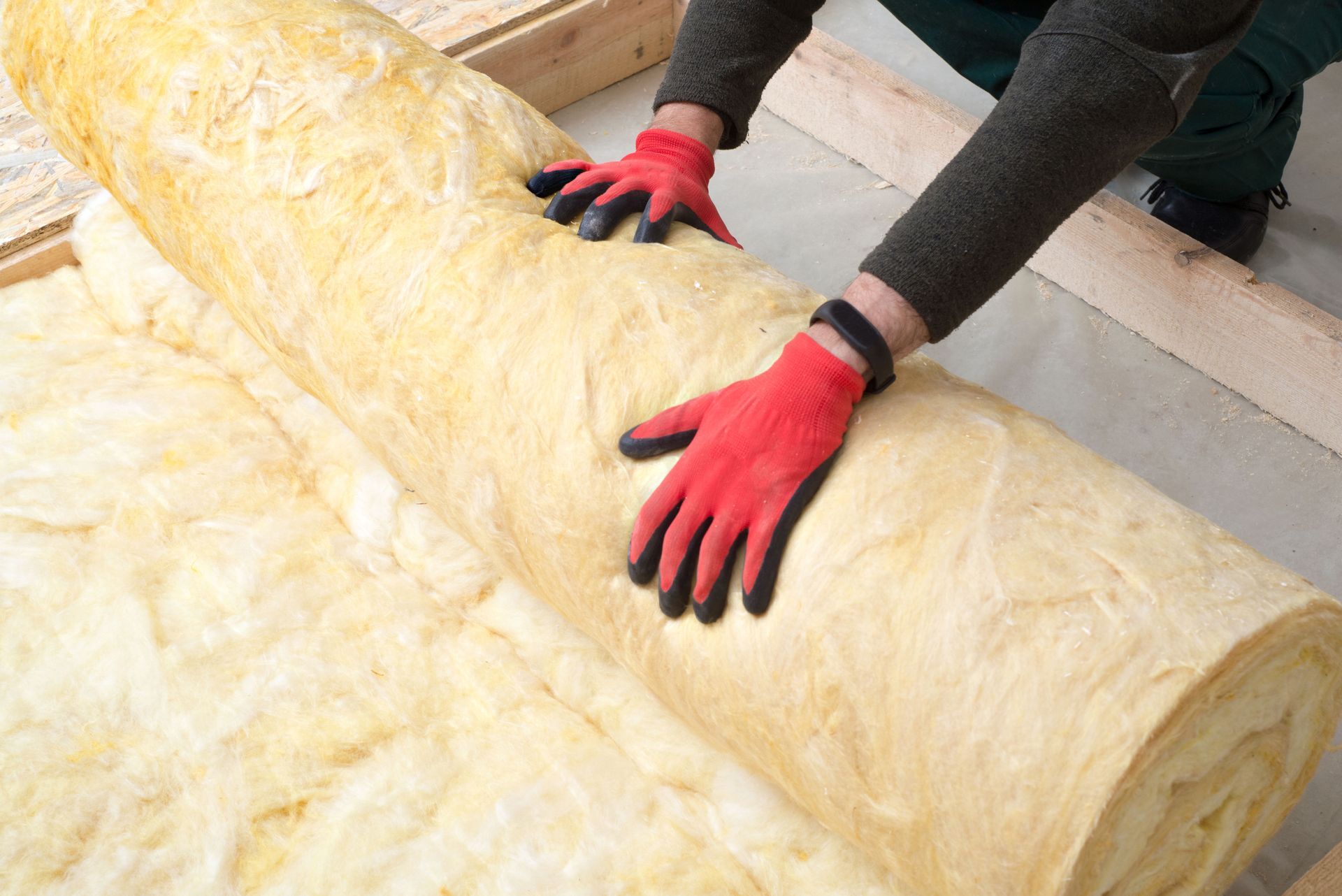
Navigating the diverse range of insulation materials requires balancing upfront capital costs against long-term operational performance. Traditional fiberglass remains a widespread choice across commercial and residential structures due to its affordability and straightforward installation. This option uses trapped air pockets between fine glass fibers to retard heat movement across open attics and framed wall assemblies. Blown cellulose represents another cost-conscious solution, crafted from recycled paper treated for fire safety and pest resistance. Its dense composition fills hidden cavities, blocking unwanted air pathways while supporting sustainable building practices.
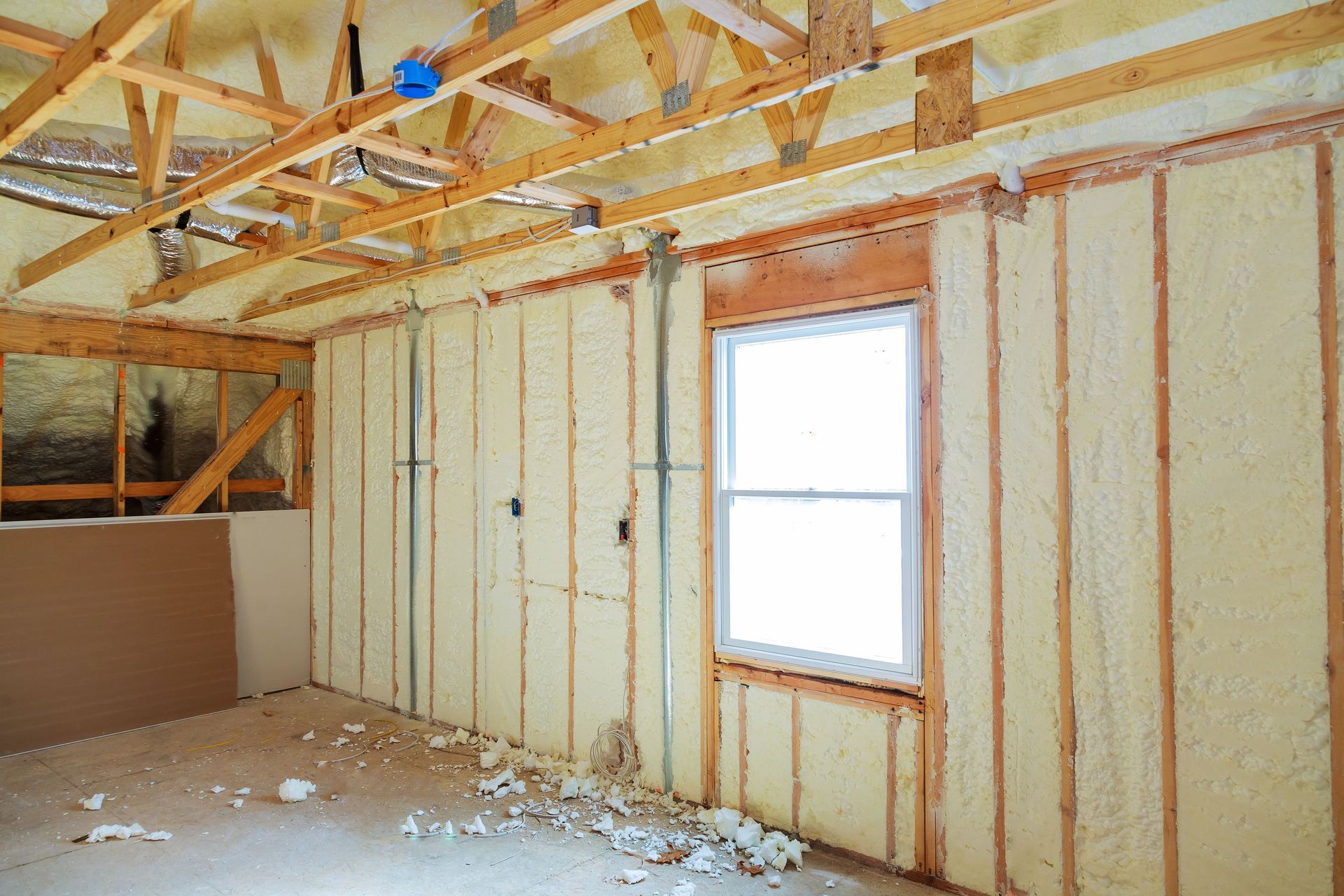
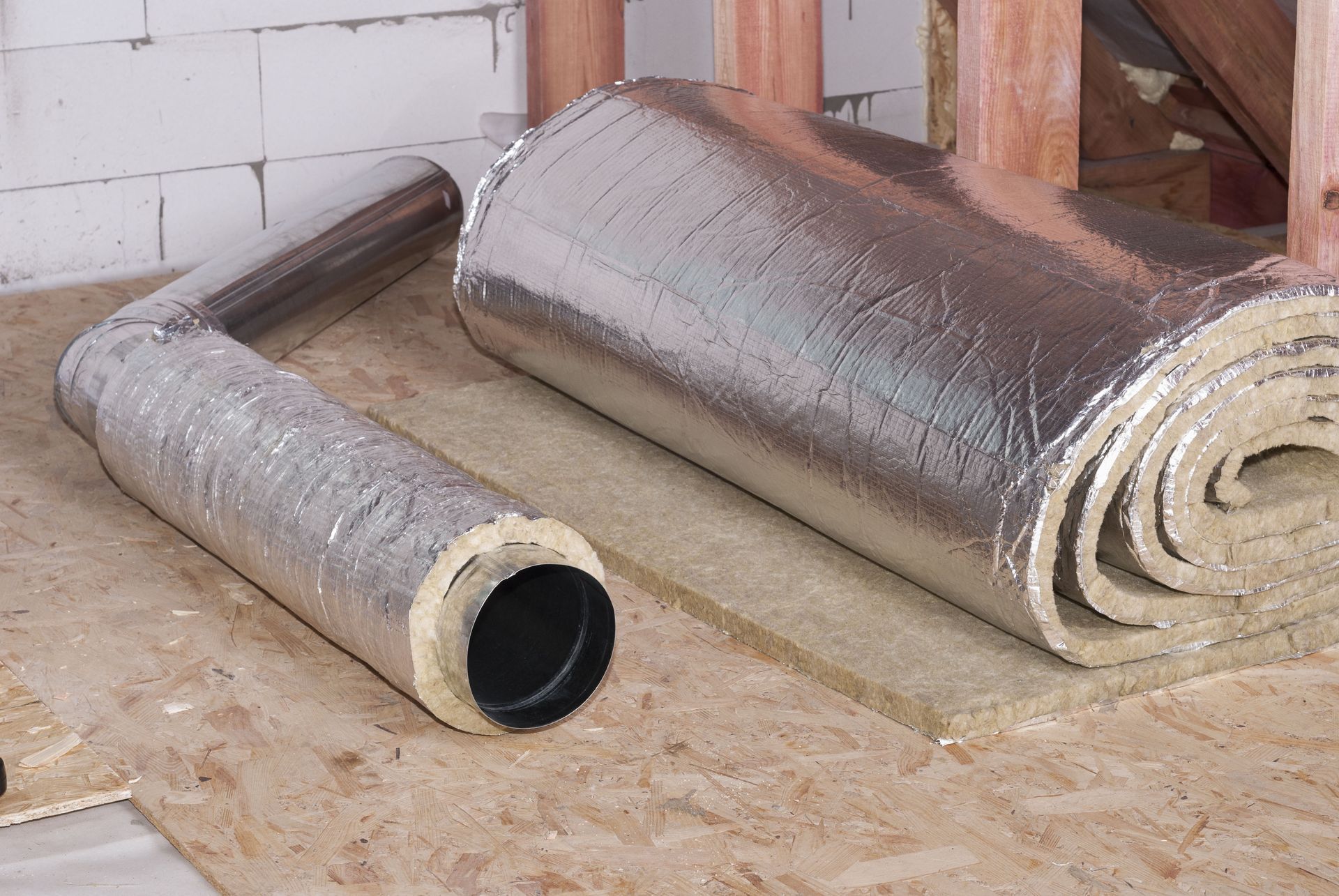
Advanced thermal solutions like spray polyurethane foam provide continuous air-sealing capabilities that standard batts cannot match. According to Bob Vila, opting for spray foam can yield up to 50% greater thermal efficiency compared to conventional insulating alternatives. The expanding foam adheres directly to structural surfaces, creating an airtight barrier that eliminates cracks, drafts, and conductive thermal bridges. Radiant barrier systems offer another specialized approach, using reflective surfaces to bounce radiant solar heat away from attics in warmer southern climates. Evaluating these product categories allows property owners to select an optimal configuration that matches their regional climate and budget.
Increase Long-Term Property Value
Upgrading thermal performance directly enhances the marketability and financial worth of any property. Prospective buyers, tenants, and investors routinely scrutinize utility records and environmental performance metrics before making purchasing commitments. Buildings with robust thermal envelopes offer consistent interior temperatures, quieter acoustic profiles, and cleaner air, creating an appealing environment that commands premium rental rates and sales prices. A well-insulated facility signals conscientious management, reassuring buyers that the underlying structure has been preserved against moisture intrusion.
Conducting a return on investment analysis reveals that building envelope improvements rank among the most dependable capital expenditures. Steady utility bill reductions boost net operating income, which directly elevates property appraisals and equity. Durable insulation materials resist physical deterioration, sagging, and mold intrusion over multiple decades, ensuring that thermal barriers perform consistently without requiring expensive early replacements. Meeting strict regional energy codes also protects building owners from costly compliance penalties while shielding them from unpredictable energy markets.
Promote Sustainable Environmental Practices
Lowering ongoing energy usage through optimized thermal barriers represents a powerful step toward shrinking a facility's environmental footprint. Because heating and cooling systems consume substantial electricity and fuel, cutting conditioned air loss directly reduces greenhouse gas emissions. Clean energy initiatives reward commercial facilities that reduce aggregate power demand, helping companies achieve sustainability milestones while lowering emissions compliance costs. Investing in sustainable insulation materials allows businesses to pair sound financial stewardship with genuine ecological conservation, enhancing corporate reputation among conscious consumers.
The environmental benefits of modern thermal improvements extend across the entire lifecycle of the building and its mechanical equipment. When a structure maintains consistent internal temperatures with minimal thermal transfer, engineers can specify smaller HVAC equipment during scheduled system replacements. Smaller units require less capital to purchase and install, while drawing fewer electrical amps during daily cycling. Choosing products made with recycled content keeps construction debris out of landfills, transforming corporate sustainability into measurable operational cost savings.
Assess Routine Maintenance and System Longevity
Understanding the expected functional lifespan of different insulation materials enables facility managers to budget proactively for long-term property upkeep. Environmental exposure, pest activity, roof leaks, and interior moisture vapor can degrade thermal boundaries prematurely if materials are neglected. Conducting periodic attic and wall inspections helps property managers spot warning signs like unexplained utility bill increases, persistent drafts, and hidden moisture condensation. Addressing localized insulation failures early prevents structural timber rot, interior drywall damage, and expensive mold remediation.
Determining whether to spot-repair aging thermal barriers or invest in complete system replacement requires weighing ongoing maintenance expenses against potential operational savings. While minor patching may resolve isolated air gaps, severely degraded installations squander substantial energy dollars each heating season. Partnering with professional thermal inspection technicians ensures accurate assessments using thermal imaging tools to locate hidden gaps behind wall surfaces. Investing in durable insulating products minimizes future maintenance overhead, allowing property managers to allocate capital toward revenue-generating operations rather than recurring repairs.
Select Qualified Professional Contractors
Achieving maximum financial return from your thermal investment depends heavily on choosing an experienced, fully qualified insulation contractor. Proper installation technique is just as critical as product quality, since minor gaps, voids, or uneven application can compromise an entire thermal boundary. Property owners should thoroughly vet prospective contractors by verifying active licensing, adequate liability insurance coverage, and positive industry standing. Experienced installation crews understand regional climate dynamics and modern building codes, ensuring that every project component meets rigorous quality standards.
Evaluating contractor proposals requires looking beyond the bottom-line estimate to examine the comprehensive scope of work. Detailed bids should clearly specify the exact types of insulation materials being installed, target R-values across specific building assemblies, surface preparation requirements, and project completion timelines. Property managers should also examine past customer testimonials and verify manufacturer-backed workmanship warranties that protect against installation defects. A reputable contractor stands firmly behind their craftsmanship, guaranteeing that your thermal project delivers lasting financial dividends.
Investing in high-performance building upgrades remains one of the most reliable strategies for strengthening commercial and residential balance sheets. Controlling thermal transfer lowers daily power bills, shields expensive mechanical systems from premature failure, and raises long-term property market values. The right thermal choices empower building owners to achieve impressive financial returns while advancing meaningful environmental sustainability goals across every season.
Protecting your property starts with choosing the right products and working with proven thermal management specialists who understand your building goals. Reach out to our knowledgeable team at Foam Insulation Supply today to discover how our premium products can help you optimize energy efficiency and protect your financial bottom line.