November 13, 2026
Procuring construction inventory at scale requires a balance of financial forecasting, technical expertise, and logistical precision. For commercial contractors and residential retrofitters alike, managing project overhead often hinges on securing favorable volume pricing without compromising jobsite timelines or product performance. When purchasing wholesale insulation materials in bulk, mistakes quickly erode margins. Inaccurate calculations, unsuitable product choices for local codes, or inadequate staging can transform a cost-saving endeavor into a bottleneck. To execute large orders effectively, trade professionals must evaluate their building envelope requirements, align purchasing schedules with real-world installation speeds, and collaborate with distributors that offer dependable support. Mastering this procurement process ensures your crews maintain momentum, your inventory remains protected, and your company captures maximum profitability.
Assessing Project Demands and Material Specifications
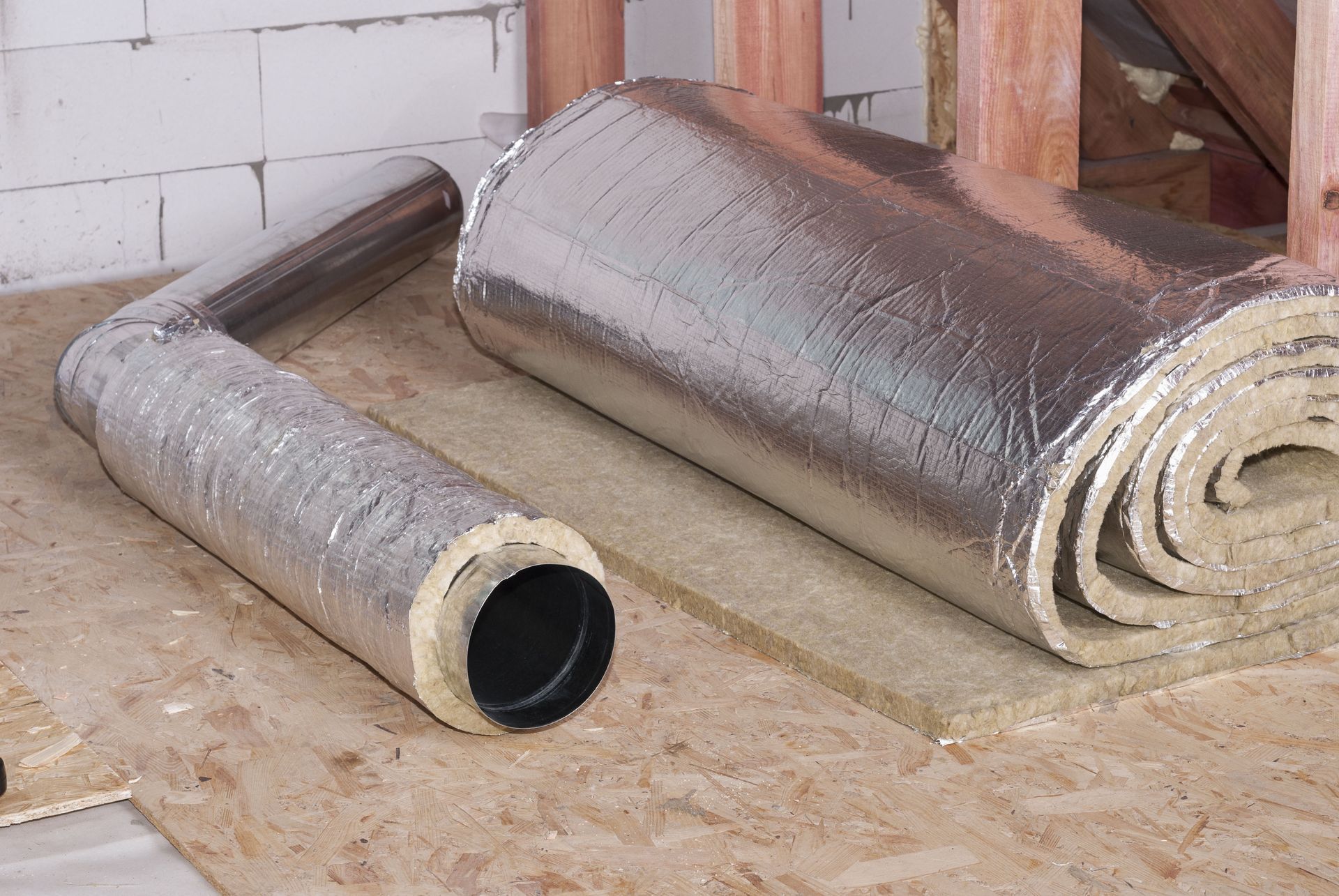
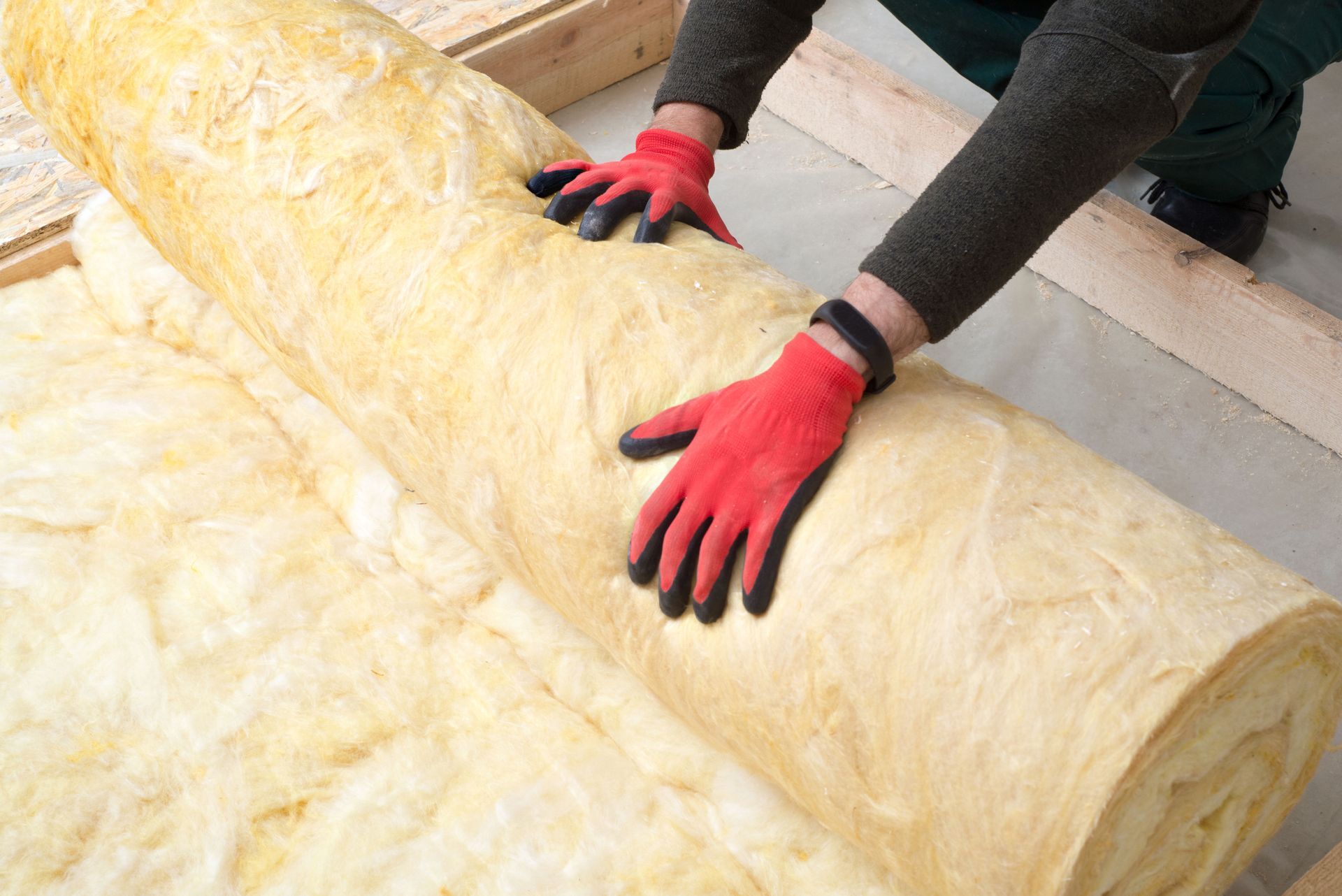
Every bulk purchase begins with examining architectural blueprints and climate zone requirements. Different thermal barriers and air sealing systems serve distinct structural assemblies. For instance, high-performance envelopes frequently mandate a mix of closed-cell spray foam for exterior moisture barriers and structural rigidity, alongside open-cell spray foam for interior acoustic dampening and cavity fill. In attic and ceiling spaces, loose-fill options remain an essential staple of modern energy retrofits. According to the Insulation Institute, blown-in fiberglass insulation represents approximately 19% of the overall insulation installed today. Contractors must also evaluate continuous exterior insulation, such as rigid polyisocyanurate, extruded polystyrene board stock, or fire-rated mineral wool boards for noncombustible assemblies. Rushing to buy wholesale insulation materials without verifying local thermal resistance mandates or fire-code compliance risks costly teardowns. Confirming whether an installation requires ignition barriers, thermal coatings, or specific vapor permeance ratings dictates the precise formulations and accompanying protective coatings you need to secure.
Calculating Accurate Quantities to Prevent Waste
Ordering in high volume requires sharp arithmetic to secure tier discounts while avoiding capital tied up in dormant stock. Estimating quantities for roll or batt insulation requires calculating net square footage while factoring in an extra five to eight percent for cutoffs and irregular stud cavities. Spray-applied polyurethane chemistries, however, demand calculations centered around board footage, where one board foot equals twelve inches by twelve inches by one inch of cured foam. When projecting drum sets of chemical components, applicators must account for variable real-world factors. Ambient weather conditions, substrate moisture, unconditioned spaces, and overspray loss substantially alter theoretical yields. Estimating too conservatively leads to emergency reorders at unfavorable freight rates, while ordering excessive wholesale insulation materials creates costly storage complications and risks product expiration. Experienced estimators maintain project tracking sheets to refine formulas against historical metrics. Auditing past yield variances across disparate weather conditions allows estimators to forecast drum, bag, and bundle requirements with pinpoint reliability.
Evaluating Commercial Distributors and Supply Chains
A low price per pound or bundle means little if your supplier cannot guarantee inventory availability or shipment punctuality. When vetting distribution partners, look beyond price sheets and examine supply chain resilience. A dependable partner maintains deep warehouse stock across essential product categories, ranging from high-yield spray systems and loose-fill cellulose to intumescent thermal coatings and poly sheeting. Furthermore, a full-service vendor supplies crucial jobsite sundries, including vapor retarders, seam tapes, and personal protective equipment such as full-face respirators and protective suits. Beyond warehousing goods, the best distributors provide hands-on equipment training and technical support to keep your operations running smoothly. They understand how ambient temperature fluctuations influence chemical reactivity, how to dial in proportioner pressures, and how to maintain equipment uptime. Sourcing wholesale insulation materials from an experienced distributor providing responsive customer service and equipment maintenance ensures your business is backed by field experts who understand installation realities.
Coordinating Freight Logistics and Jobsite Deliveries
Handling freight logistics represents a critical phase when executing high-volume insulation purchases. Bulky insulation loads quickly exhaust the volume capacity of a semi-trailer long before reaching gross vehicle weight limits. Deciding between full truckload and less-than-truckload shipping significantly affects freight expense and delivery precision. When buying wholesale insulation materials in bulk quantities, communicate specific jobsite constraints with your freight carrier ahead of dispatch. Urban job sites and tight subdivisions frequently lack the turning radius for fifty-three-foot dry vans, requiring specialized flatbeds, box trucks, or box trailers with liftgates. Furthermore, coordinate delivery milestones with your installation schedule. Dumping pallets of fiberglass batts or dozens of chemical drums onto an active construction site too early invites trade damage, rain exposure, and site congestion. Establish an organized delivery schedule that routes freight directly into secure, dry storage or phases truck drop-offs to match your daily installation capacity.
Inspecting Delivered Inventory and Storing Properly
When wholesale inventory reaches your warehouse or jobsite laydown yard, systematic receiving protocols are mandatory. Inspect pallets immediately for transit punctures, broken banding, crushed edges, or moisture intrusion. If you are stocking chemical components for spray foam applications, check the temperature gauges on the delivery trailer and review container production dates. Both isocyanate and resin drums possess finite shelf lives and strict storage windows, generally between sixty and eighty degrees Fahrenheit. Storing drums on unheated concrete during freezing winter weather can cause crystallization in the isocyanate, while excessive summer heat degrades blowing agents in the resin side. Likewise, fibrous products require dry, elevated staging. Mineral wool and fiberglass lose thermal efficiency if wet, creating mold risks and code failures if enclosed inside cavities. When accepting delivery of wholesale insulation materials, catalog batch numbers and retain manufacturer documentation for quality assurance. Stacking rigid foam boards flat on level dunnage under breathable tarps preserves structural integrity, keeping insulation flat and ready for immediate installation.
Maintaining Application Machinery to Maximize Yields
Purchasing insulation in truckload volumes delivers real financial savings only if your application machinery runs cleanly and efficiently. In the spray foam sector, yield is directly determined by the condition of your spray foam rigs, proportioners, heated hoses, and spray guns. Worn impingement chambers, leaking fluid manifolds, or clogged mix chambers create chemical imbalances, resulting in off-ratio foam that shrinks, cracks, or fails inspection. This ruins expensive chemicals and requires costly remediation. Proactive applicators partner with suppliers that offer routine equipment repair, mobile rig assembly, and factory-trained technical support. Keeping spare parts on hand, including transfer pumps, O-rings, check valves, and spray tips, ensures your crews can troubleshoot pressure imbalances immediately without stalling a build. Investing in wholesale insulation materials without simultaneously servicing your application equipment creates false economy. By scheduling equipment inspections, conducting flush cycles, and investing in custom rig assembly suited to your workload, you safeguard performance and ensure bulk supplies turn into high-yield square footage.
Bulk purchasing is far more than ordering pallets of chemical drums or stacks of batting to capture a discounted invoice. It is an end-to-end operational strategy that integrates accurate architectural estimating, reliable distribution networks, precision freight scheduling, climate-controlled storage, and disciplined equipment maintenance. When executed properly, ordering
wholesale insulation materials at scale protects your bottom line against volatile supply chain disruptions, reduces jobsite downtime, and ensures that your technicians have the premium supplies needed to achieve flawless thermal and acoustic performance. Whether you are outfitting a fleet of mobile rigs for commercial spray work or staging loose-fill fibers and rigid panels for residential developments, professional planning elevates your contracting business. Contact Foam Insulation Supply to secure high-performance products, dedicated technical service, and custom equipment solutions designed to keep your projects on schedule and under budget.