July 15, 2026
As global efforts to combat climate change intensify, the concept of net-zero homes has gained momentum as a sustainable solution to reduce carbon emissions. These homes are designed to produce as much energy as they consume, requiring builders to adopt cutting-edge materials and technologies. Insulation plays a pivotal role in achieving energy efficiency, acting as a barrier to thermal energy loss and supporting the home's overall sustainability goals.
Understanding Net-Zero Homes
Definition and Principles
Net-zero homes are designed to balance the energy grid by compensating for energy consumption with an equal amount of energy production from renewable sources. The core principle involves enhanced structural design that maximizes energy efficiency while incorporating renewable energy technologies like solar panels and geothermal systems. By minimizing energy demands through efficient insulation and other methods, these homes play a vital role in global sustainability efforts. Builders are often challenged to integrate advanced technologies that adhere to stringent environmental standards. The pursuit of net-zero principles encourages innovation and raises the bar for sustainable construction practices.
Benefits of Net-Zero Homes
Net-zero homes offer numerous benefits, including reduced energy bills, lower carbon footprints, and enhanced occupant comfort. The energy cost savings can be substantial over the lifespan of the home, offering financial incentives for homeowners and investors alike. Beyond financial savings, these homes create healthier living environments by reducing pollutants and improving indoor air quality. Additionally, they increase property value due to their sustainable features and market demand for eco-friendly living spaces. By contributing to environmental preservation, net-zero homes reflect a commitment to future generations and planetary health.
Challenges in Construction
Despite their advantages, constructing net-zero homes presents several challenges that builders must navigate. One notable challenge is the initial cost and complexity involved, often requiring substantial upfront investment and expertise in sustainability-focused designs. Builders must stay abreast of rapidly evolving technologies and regulations to ensure compliance with energy standards. Integration of new insulation materials that offer high efficiency without sacrificing sustainability is critical, yet not always straightforward. Additionally, achieving widespread adoption is hindered by economic, regulatory, and market dynamics demanding significant industry collaboration.
The Role of Insulation in Net-Zero Design
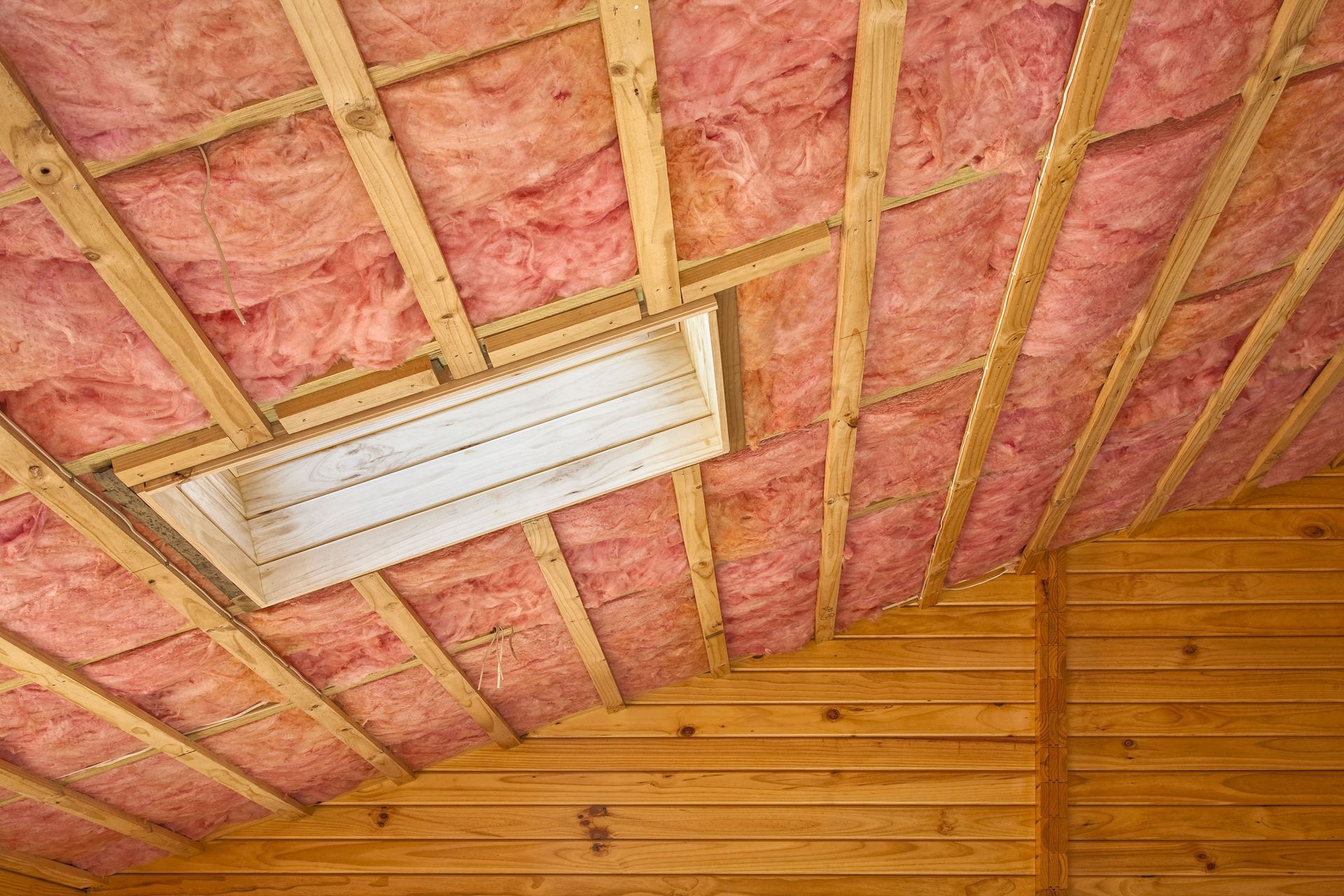
Insulation is fundamental to net-zero homes, acting as a critical element in managing energy flow and ensuring thermal comfort. Effective insulation reduces the heating and cooling demands of a home, making it indispensable for achieving net-zero energy balance. Advanced insulation materials provide superior thermal resistance, helping to prevent unwanted heat transfer and lower utility costs. The strategic use of insulation supports the broader infrastructure designed to minimize energy consumption in buildings. In net-zero construction, insulation selection determines the efficiency and success of the overall energy performance strategy.
Future Trends in Net-Zero Housing
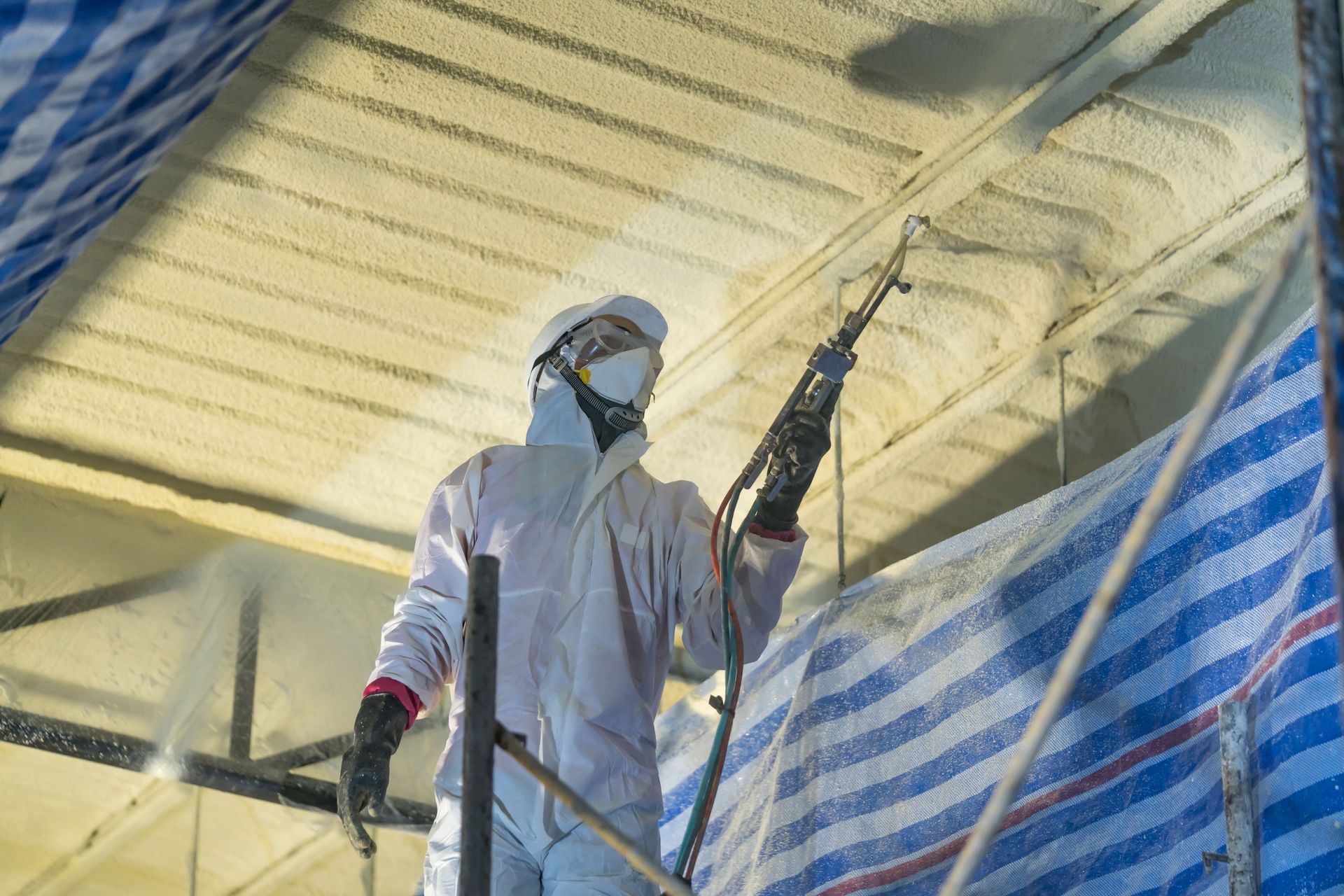
Emerging trends in net-zero housing focus on increasing the availability and efficiency of renewable energy technologies and high-performance building materials. Future designs aim to enhance integration with smart home technologies that dynamically monitor and optimize energy usage. Material innovations, including advancements in insulation technology, continue to push the boundaries of what's possible in sustainable homebuilding. The polyurethane segment of the foam insulation market is projected to grow at a 4.8% CAGR during 2026-2034, according to Fortune Business Insights, reflecting increased demand for efficient materials. Ultimately, these trends highlight that innovation in materials and technology will drive the viability of net-zero homes substantially forward.
Assessing Insulation Performance and Efficiency
R-value and Its Importance
R-value is a key performance metric reflecting an insulation material's resistance to heat flow, critical for evaluating energy efficiency. A higher R-value indicates better insulating power, essential for minimizing energy consumption in net-zero homes. Factors influencing R-value include material type, density, and installation quality, with builders needing to select materials that meet specific regional energy codes. Understanding R-value helps builders forecast heating and cooling requirements, ensuring the design aligns with net-zero objectives. Proper assessment and application of insulation R-values are fundamental steps in constructing energy-efficient homes.
Thermal Resistance Explained
Thermal resistance measures how well a material can resist the conduction of heat, playing a crucial role in energy-efficient building envelopes. It is determined by calculating the reciprocal of thermal conductance, offering insights into an insulation material's capacity to reduce energy loss. Effective insulation lowers thermal transmittance, thereby maintaining comfortable indoor temperatures regardless of external conditions. Comprehensive understanding and calculation of thermal resistance enable builders to optimize material choices and installation strategies. High thermal resistance is especially vital in net-zero homes, where maximizing energy retention is paramount.
Environmental Impact Considerations
The environmental impact of insulation materials involves assessing resource consumption, emissions, and end-of-life disposal practices. Builders prioritize materials manufactured with low embodied energy, contributing to reduced overall greenhouse gas emissions. Sustainable insulation choices, including recycled or naturally derived options, can significantly lessen environmental footprints. The lifecycle assessment of insulation materials includes evaluating potential environmental trade-offs throughout production, usage, and disposal stages. Conscious material selection reflects industry responsibility towards sustainable practices and commitment to mitigate long-term ecological consequences.
Moisture and Air Resistance
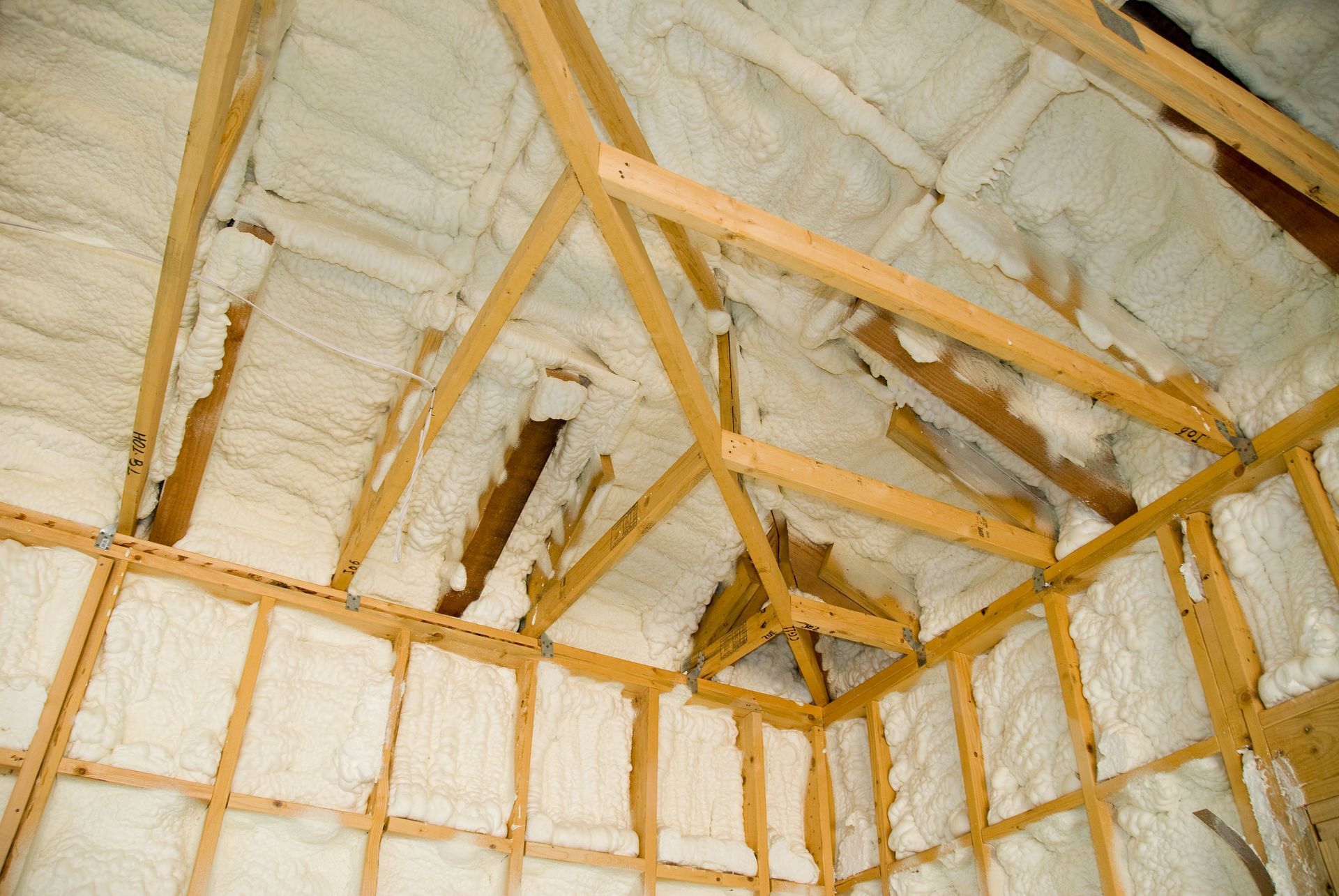
Moisture and air resistance are critical factors influencing insulation performance and the overall health of net-zero homes. Insulation with robust moisture resistance prevents mold growth, structural degradation, and indoor air quality issues. Materials like spray foam and mineral wool provide excellent barriers against moisture ingress and air infiltration. Ensuring airtight seals around insulation enhances energy efficiency by reducing unwanted drafts and maintaining stable indoor climates. Builders must consider these attributes alongside thermal resistance to deliver comprehensive, high-performance insulation solutions.
Considering Environmental Sustainability
Eco-friendly Materials Selection
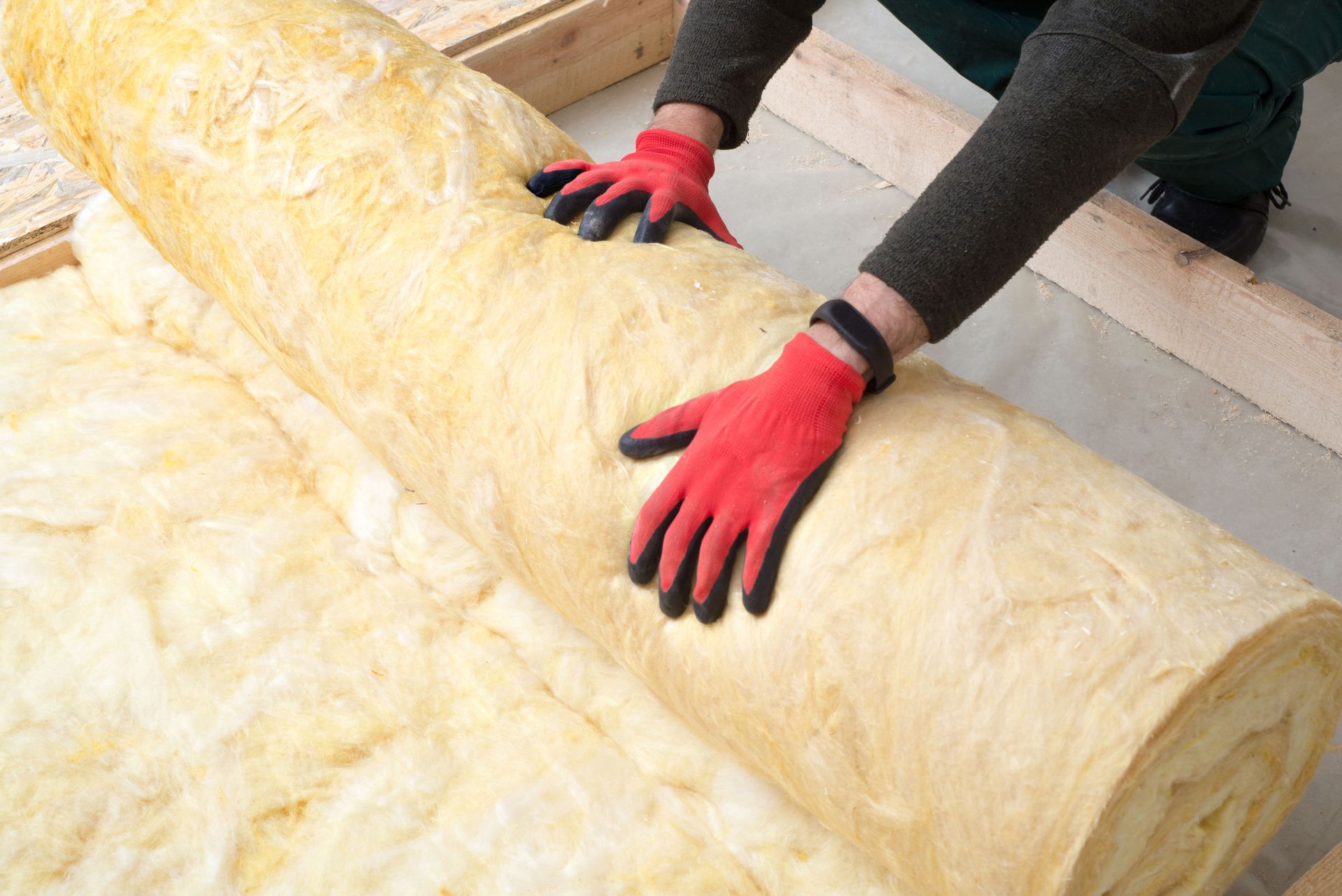
Eco-friendly insulation materials prioritize reduced environmental impact by using renewable, recycled, or low-impact resources. Selecting materials that decrease energy consumption during production and offer efficient thermal performance aligns with net-zero sustainability goals. Builders must evaluate the full lifecycle sustainability, including sourcing, performance, and disposal, to ensure materials meet ecological standards. Emphasizing eco-friendly options underscores the commitment to minimizing building sector impacts on natural ecosystems. Aligning insulation choices with sustainable material criteria fosters industry leadership in sustainable construction practices.
Recyclability and Waste Management
Recyclability and sustainable waste management are essential components of selecting insulation materials for environmentally conscious construction. Builders must consider how materials can be recycled or repurposed at the end of their useful life to minimize landfill contributions. Innovations in waste management systems and recycling processes continue to enhance the viability of sustainable construction practices. Embracing recyclable materials aligns with circular economy principles, promoting reduced resource consumption and waste reduction. Responsible waste management strategies are indicative of evolved construction methodologies embracing long-term ecological foresight.
LEED Certification and Insulation
LEED certification recognizes buildings that demonstrate leadership in energy and environmental design, with insulation playing a central role in earning points towards certification. High-efficiency insulation contributes significantly to reducing a building's operational energy demand, enhancing the design's overall performance. Builders intending to achieve LEED certification must prioritize insulation materials that comply with program standards and facilitate energy-efficient design integration. Successful LEED-certified projects exemplify sustainability excellence and serve as industry benchmarks for eco-friendly construction. The emphasis on high-grade insulation technologies underscores its pivotal role in green building standards and market differentiation.
The selection of appropriate
insulation materials is instrumental in achieving the energy efficiency and sustainability goals of net-zero homes. Builders play a pivotal role in deploying innovative materials and techniques that drive advancement in sustainable design. As industry standards evolve, staying informed and adaptive is paramount to contributing to the progression towards sustainable, energy-efficient housing. By embracing advanced insulation technologies, builders can support the next generation of environmentally responsible construction. The journey toward net-zero homes is ongoing, with limitless opportunities for innovation, collaboration, and impact. If you're looking for a responsible insulation contractor, reach out to Foam Insulation Supply today!