April 2, 2026
Spray foam insulation is a crucial component in construction and renovations, offering numerous benefits for energy efficiency, moisture control, and overall indoor comfort. Whether applied in residential, commercial, or industrial settings, insulation plays a major role in regulating temperature and reducing energy costs. However, achieving the full benefits of insulation depends heavily on selecting the right spray foam materials for the specific needs of a project. Different formulations and densities of spray foam materials can affect performance, durability, and long-term efficiency.
Property owners, builders, and contractors often rely on spray foam materials because they expand to fill small gaps and cracks that traditional insulation products may miss. This ability to create a tight air seal helps reduce drafts, improve indoor air quality, and lower heating and cooling demands throughout the year. With a wide range of spray foam materials available on the market, it is important to understand the characteristics of each option and how they perform in different environments. Selecting the appropriate materials can make a difference in both the effectiveness and lifespan of an insulation system.
For anyone planning a construction project or energy-efficiency upgrade, understanding how to evaluate and choose spray foam materials is an essential step. The right selection can enhance structural protection, improve comfort, and contribute to long-term energy savings. This article outlines why it is important to find the right spray foam materials and how to make informed decisions when choosing the best solution for your insulation needs.
Understanding the Basics of Spray Foam Insulation and Its Components
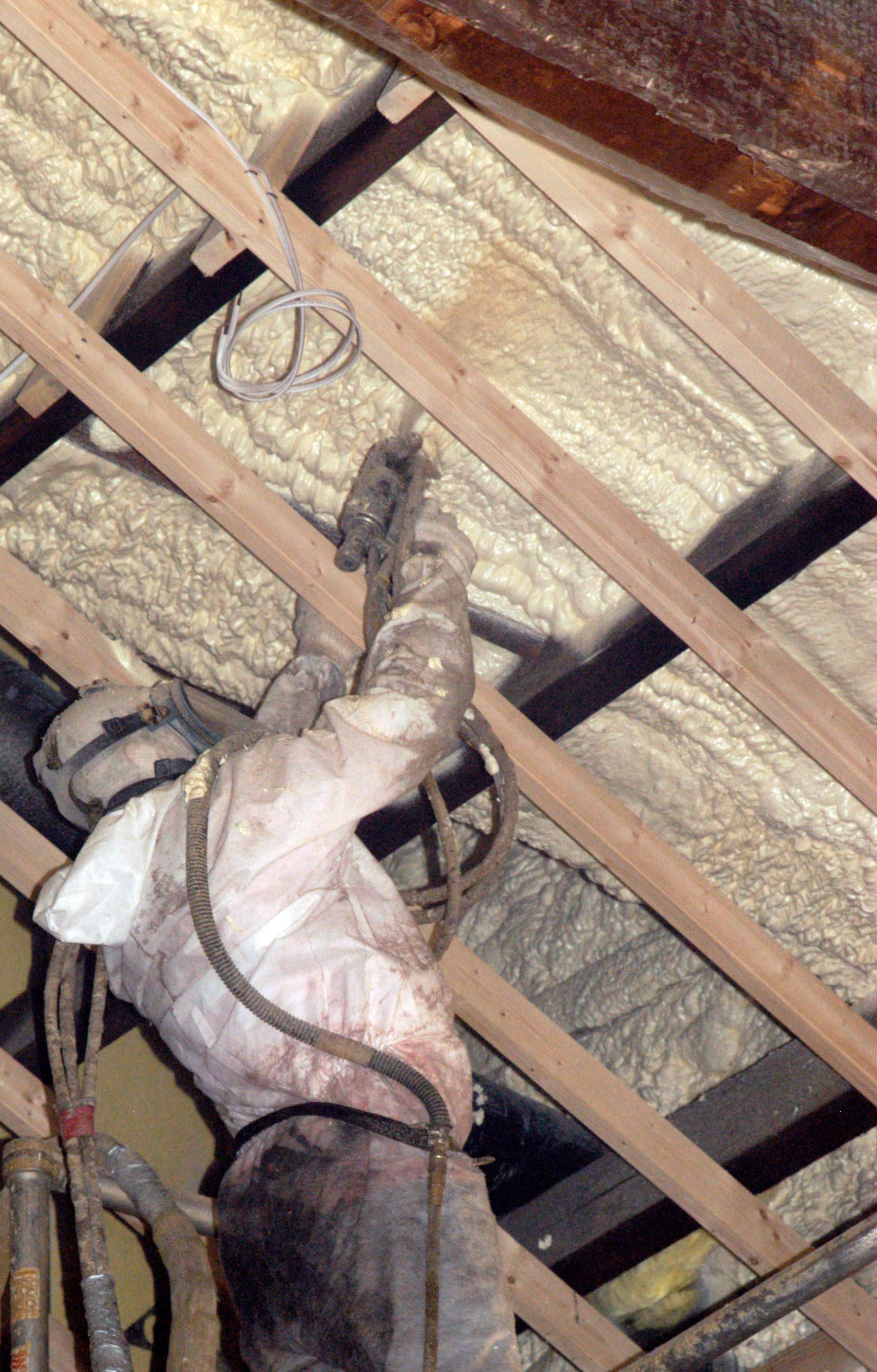
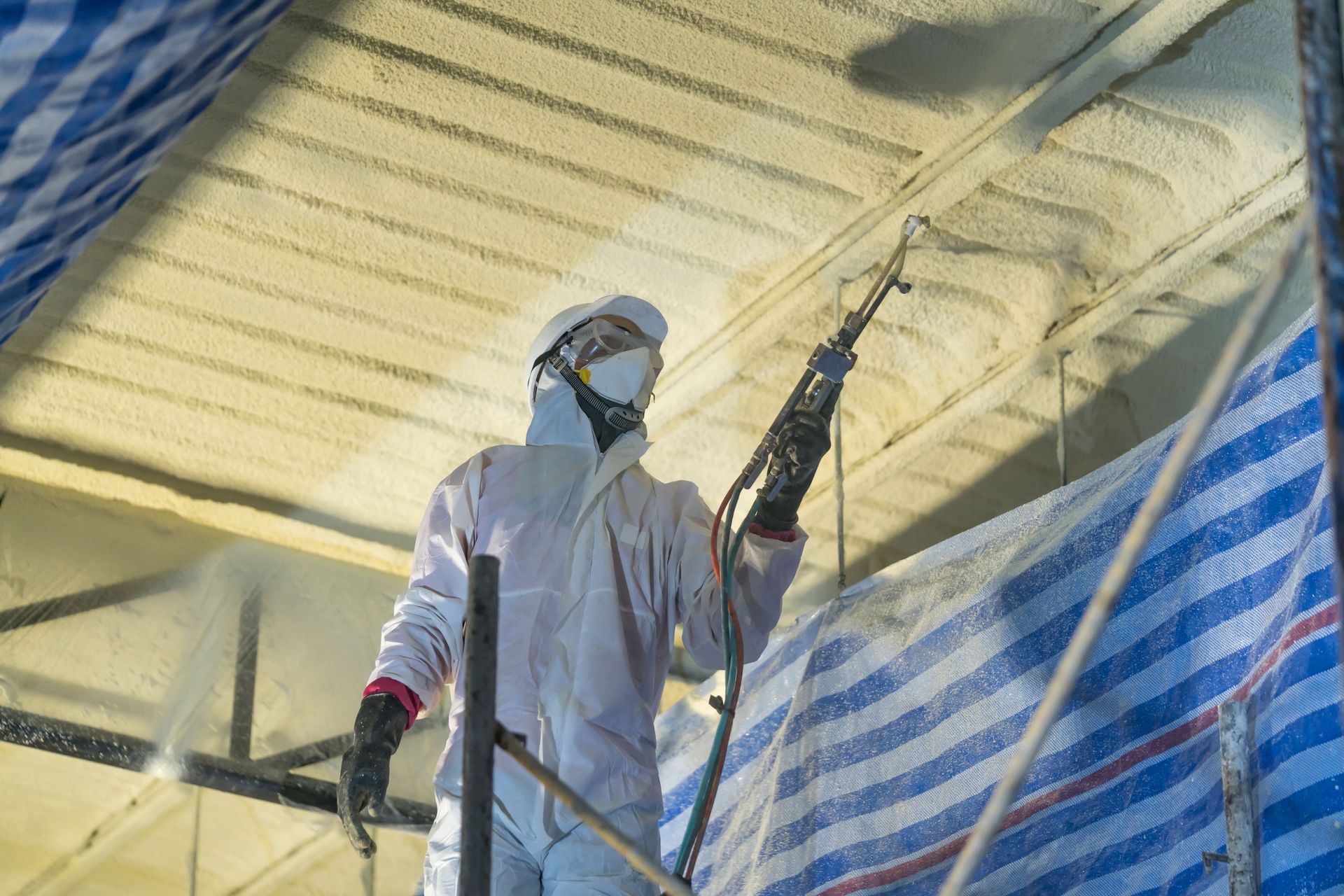
Spray foam insulation is composed primarily of two chemicals: isocyanate and polyol resin. These substances react when mixed, expanding and hardening into a durable, insulating material. The composition of spray foam can vary slightly, depending on the specific type and intended use. Different formulations are available to cater to a variety of climates and installation needs, ensuring optimal thermal resistance and structural support. Choosing the right formulation is paramount for ensuring longevity and performance.
Learning About the Types of Spray Foam: Open Cell vs. Closed Cell
Spray foam insulation is generally categorized into open-cell and closed-cell types. Open-cell foam is lighter and more flexible, making it ideal for interior applications where structural rigidity is not a primary concern. Closed-cell foam, on the other hand, is denser and offers higher thermal resistance and strength. This makes it suitable for both exterior and load-bearing applications in residential and commercial properties. Understanding the differences between these types of spray foam is crucial for selecting the appropriate foam for your project.
Using Quality Spray Foam Insulation
Utilizing quality spray foam insulation offers a myriad of benefits, primarily in enhancing energy efficiency. It creates an effective seal that reduces air infiltration, maintaining consistent indoor temperatures. This reduction also cuts down on energy costs by lessening the burden on heating and cooling systems. Additionally, quality spray foam provides soundproofing benefits, reducing noise from outside sources. The insulation's lifespan far exceeds traditional methods, making it a cost-effective solution over time.
Exploring Common Applications in Residential and Commercial Settings
In residential settings, spray foam insulation is frequently used in attics, walls, and basements. Its ability to fill small spaces makes it particularly useful for older homes where structures might not be uniform. In commercial settings, spray foam provides durability and protection against environmental exposure in warehouses and office buildings. It is also used in specialty applications such as soundproofing studios and insulating refrigerated areas. The versatility of spray foam ensures its effectiveness across various building types and requirements.
Deciding Factors Influencing the Choice of Spray Foam Materials
Several factors must be considered when selecting spray foam materials, including climate, building structure, and budget. Environmental conditions dictate whether open-cell or closed-cell foam is more suitable. Building features, such as the presence of vapors or high humidity, also influence the material choice. Furthermore, while initial costs may be a concern, it is important to weigh them against the long-term savings offered by superior insulation. According to the Insulation Institute, 89% of U.S. single-family homes are under-insulated, highlighting the potential savings and comfort benefits of adequate insulation.
Reducing Energy Costs with Proper Insulation Techniques
Proper insulation through high-quality spray foam can significantly reduce energy costs in both residential and commercial settings. The material's high R-value, which measures thermal resistance, ensures that conditioned air remains inside, minimizing heating and cooling demands. As energy expenses represent a substantial portion of household and business budgets, effective insulation can yield considerable cost savings. Proper insulation not only lowers utility bills but also reduces overall energy consumption, decreasing carbon footprints. This eco-friendly aspect makes spray foam a valued choice for environmentally conscious consumers.
Improving Air Sealing and Thermal Resistance
The air-sealing capabilities of spray foam insulation contribute to its superior thermal resistance. By tightly filling gaps and cracks, spray foam prevents air leaks, optimizing indoor temperature control. This enhanced thermal resistance reduces strain on HVAC systems, prolonging their life span and decreasing maintenance costs. Additionally, by maintaining a stable indoor climate, spray foam insulation enhances comfort and air quality. Homeowners can achieve significant long-term energy savings by investing in high-grade materials that offer robust thermal performance.
Preventing Air Leaks
One of the standout features of spray foam insulation is its ability to prevent air leaks effectively. By creating a continuous barrier, spray foam seals potential entry points for air, moisture, and even pests. This protection is vital for maintaining structural integrity and preventing issues such as mold growth and wood rot. Spray foam's superior sealing properties address a common problem in many homes, particularly those that are older or poorly constructed. By fostering a robust building envelope, spray foam insulation translates to better energy retention and overall comfort.
Comparing Spray Foam to Other Insulation Types
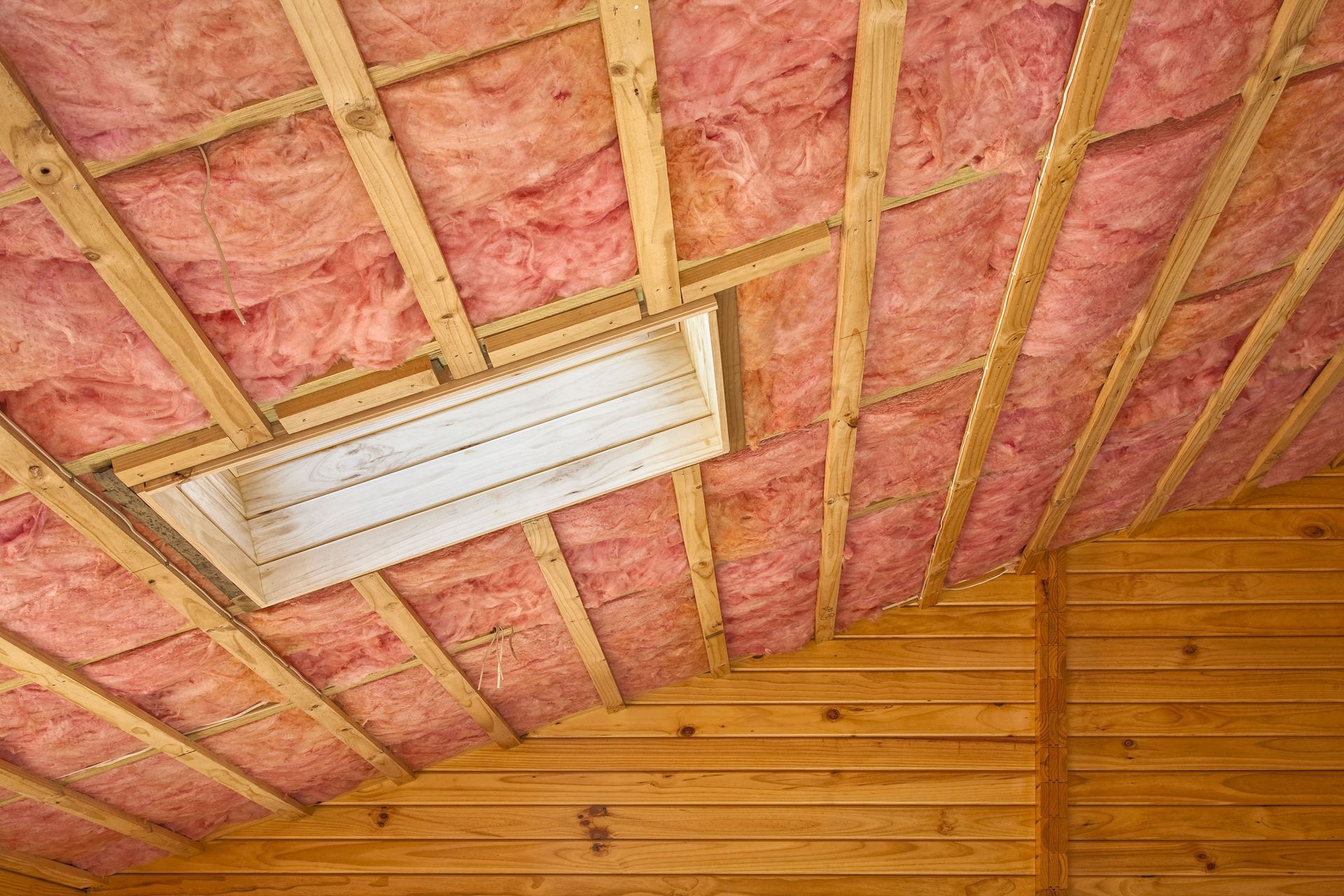
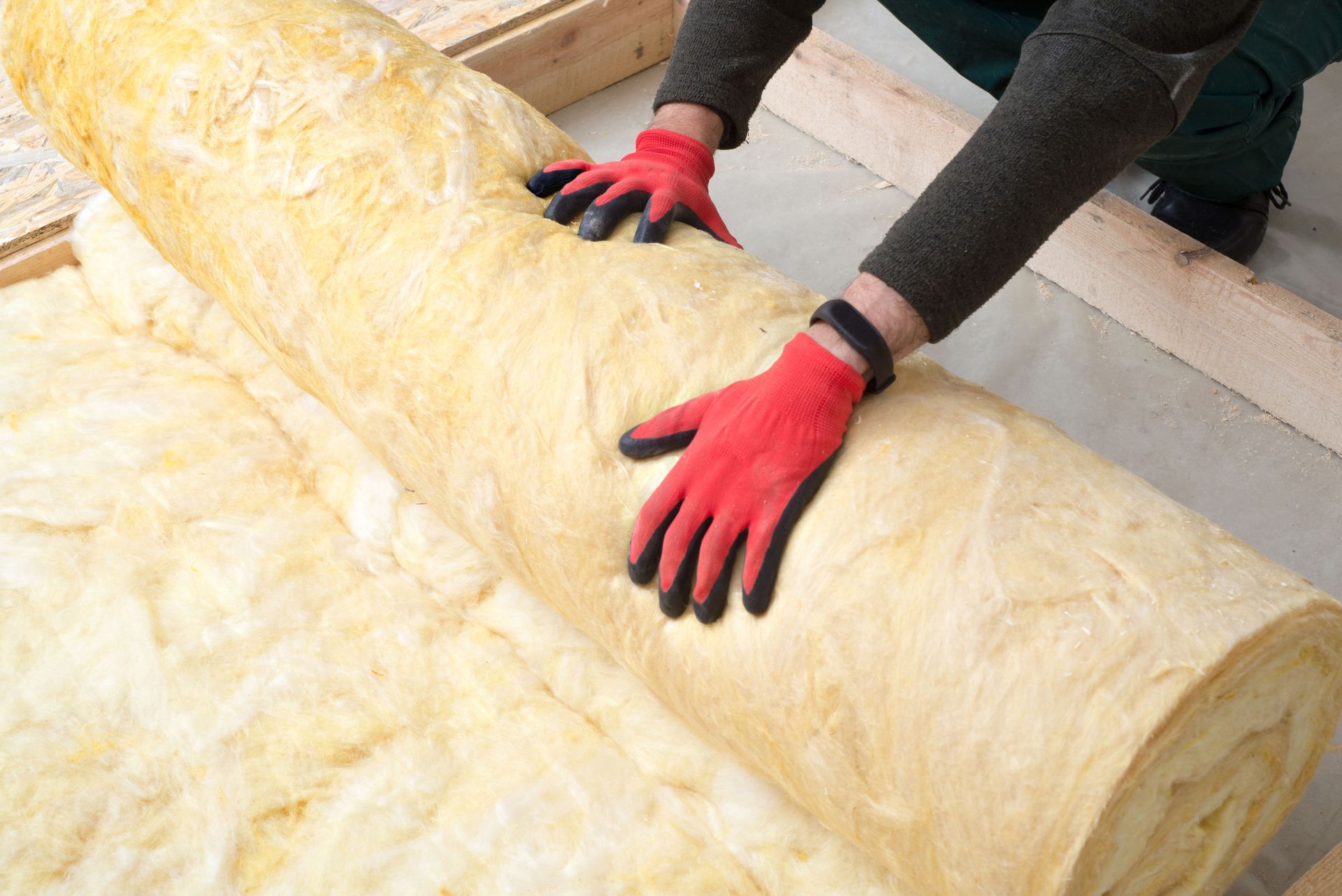
When compared to traditional insulation materials like fiberglass and cellulose, spray foam insulation offers distinct advantages. While fiberglass can settle over time and lose its effectiveness, spray foam maintains its shape and insulating properties. Cellulose, though eco-friendly, lacks the air-sealing capabilities of spray foam. Additionally, spray foam's resistance to water damage outperforms both materials, making it a preferred choice in areas prone to moisture exposure. For those seeking efficiency and longevity, spray foam stands out as a top-tier insulation product.
Saving Long-Term with Optimal Spray Foam Products
Investing in optimal spray foam products can yield significant long-term savings. While the upfront cost may be higher compared to traditional insulation types, the return on investment becomes evident through reduced utility bills. Additionally, spray foam's durability means fewer replacements and repairs over time. As a result, homeowners and businesses can enjoy both immediate and ongoing financial benefits. The combination of energy savings and reduced maintenance underscores the economic value of high-quality spray foam insulation.
Evaluating the Environmental Benefits
In recent years, the development of eco-friendly spray foam insulation materials has become a priority for manufacturers. These alternatives are designed to minimize environmental impact without sacrificing performance. Some formulations incorporate renewable resources, such as soy, or eliminate harmful components like ozone-depleting agents. This shift aids in reducing the carbon footprint associated with traditional spray foam manufacturing processes. Eco-friendly options are becoming part of the global movement towards sustainable building practices.
Reducing Waste and Over-Consumption of Energy
Spray foam insulation not only conserves energy through its insulating properties but also contributes to waste reduction. By lasting longer than other insulation types, less material goes to landfills due to replacements and repairs. Additionally, properly insulated structures require less energy for heating and cooling, further diminishing environmental impact. Such efficiency is vital as the construction industry seeks ways to mitigate its ecological footprint. Implementing spray foam as an energy-saving measure aligns with broader goals of reducing resource over-consumption.
The choice of spray foam materials and the quality of the installation can significantly influence the performance and efficiency of your insulation system. By understanding the key factors and considerations in selecting spray foam insulation, you can make informed decisions that benefit your property, environment, and wallet. Consider investing in high-quality products and professional services to ensure that your spray foam insulation meets your expectations and needs. Are you seeking an upgrade for your spray foam materials in the Mead, OK area? If so, the professionals at Foam Insulation Supply are here to help! Contact us today to see how we can assist you with your spray foam needs.