March 13, 2026
This article explores the critical aspects of selecting insulation materials for constructing durable structures. Insulation plays a vital role in ensuring energy efficiency, comfort, and longevity of buildings. Here, we will delve into the various types of insulation materials, their properties, applications, and environmental impacts. As the global demand for energy-efficient buildings rises, understanding insulation options becomes ever more crucial. With advancements in technology, the choice of insulation materials now offers a wider range of benefits than ever before.
Understanding Different Types of Insulation Materials
Choosing Fiberglass Insulation
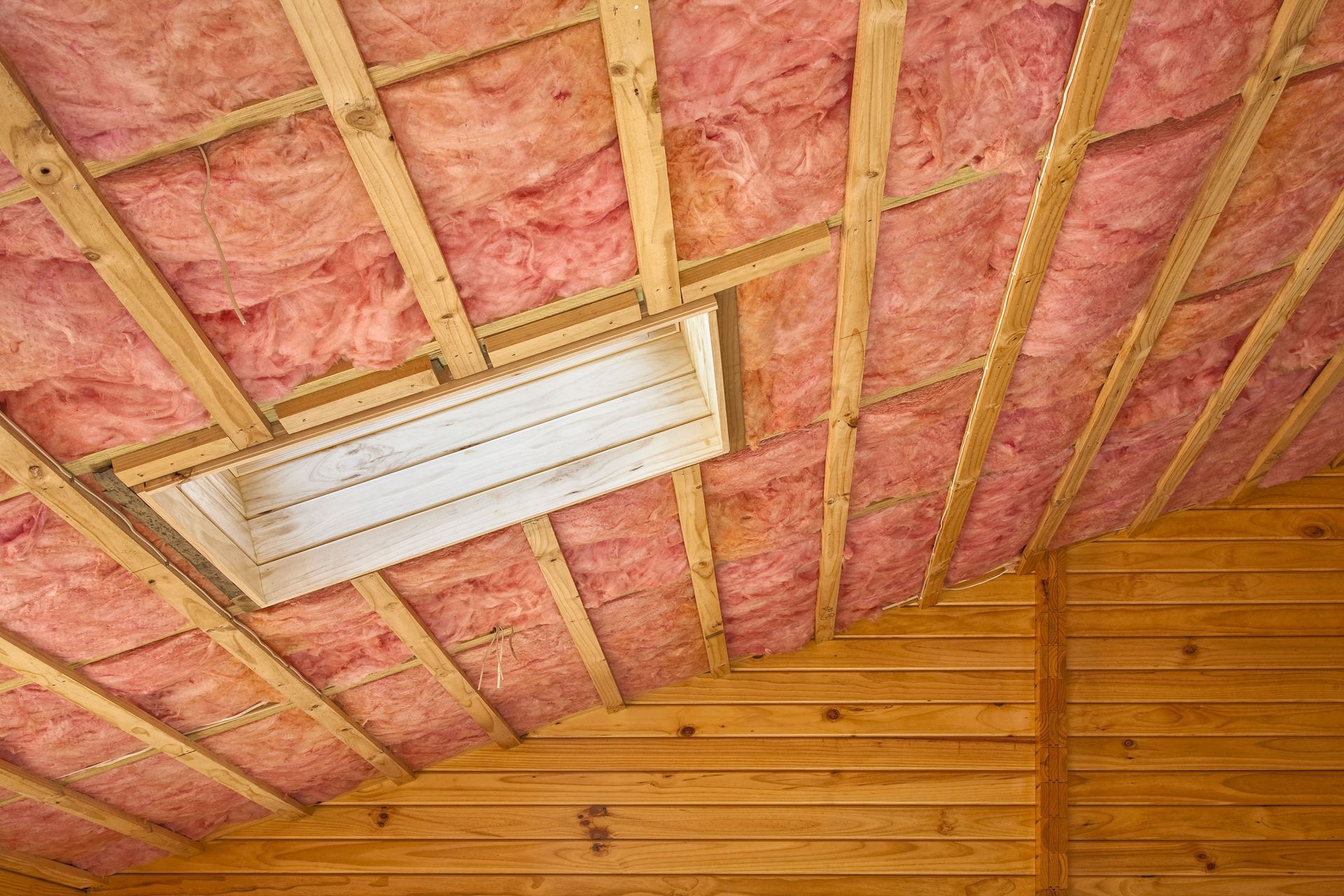
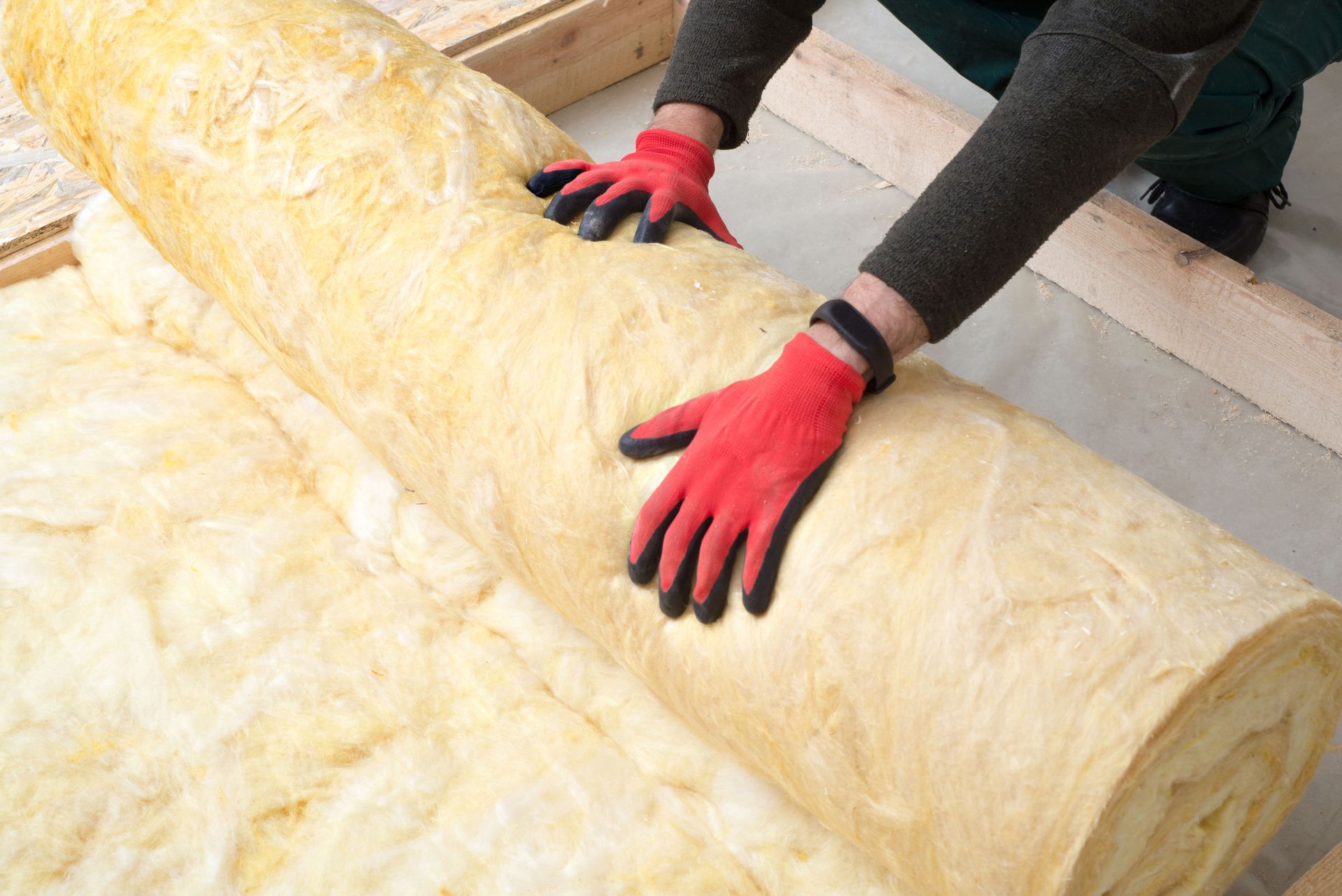
Fiberglass insulation is one of the most commonly used materials in both residential and commercial settings. It is made from fine glass fibers and is known for its ability to trap air, which provides excellent thermal resistance. Fiberglass is commonly available in batts, rolls, and loose-fill form, making it versatile for different building needs. Despite its popularity, fiberglass insulation requires proper protective gear during installation due to potential skin and respiratory irritation. With proper installation, fiberglass insulation is both cost-effective and efficient, contributing to significant energy savings.
Fiberglass insulation is well-regarded for its affordability and ease of installation. It can be used in attics, walls, and floors, and is often the go-to choice for budget-conscious projects. Besides its thermal properties, fiberglass also provides good sound insulation, making it a suitable option for controlling acoustics. However, it is essential to ensure that fiberglass is kept dry to maintain its insulating properties, as moisture can degrade its performance over time. According to the National Insulation Association, insulation demand is projected to rise 4.3% in India in 2026, reflecting the increasing global focus on energy efficiency.
Evaluating Key Properties of Insulation Materials
Assessing Thermal Resistance (R-Value)
The thermal resistance of insulation is typically measured by its R-value, which indicates how well a material can resist heat flow. The higher the R-value, the better the insulation material is at retaining heat, which is crucial for energy efficiency. Different types of insulation materials have varying R-values, which should be considered depending on the climate and specific needs of a building. Even within the same type, variables like thickness and installation quality can affect the R-value. Therefore, understanding and selecting the right R-value is critical in achieving optimal thermal performance for a structure.
Factors like geographic location and intended use of a building can greatly influence the choice of insulation R-value. In colder climates, higher R-values are typically required to maintain warmth and minimize energy loss during the winter months. Conversely, in warmer climates, maintaining a high R-value helps keep buildings cool and reduces air conditioning demands.
Assessing Environmental and Health Impacts
Considering Recyclability of Insulation Materials
The environmental impact of building materials is a growing concern in the construction industry, leading to a closer examination of the recyclability of insulation materials. Sustainable building practices prioritize materials that can be recycled or made from recycled content, minimizing landfill waste. Fiberglass and cellulose insulation are noted for their recyclability potential, with innovations making it easier to reuse or repurpose these materials. This focus on recyclability not only helps reduce the environmental footprint of buildings but also aligns with eco-friendly construction trends. As consumers show increased preference for sustainable solutions, enhancing recyclability remains a critical focus for insulation manufacturers.
Recyclability is an important component of insulation material selection, especially for builders aiming to achieve certain green certifications like LEED. Insulation solutions with high recycled content or those that can be easily recycled have become more appealing to environmentally conscious builders and architects. Such practices contribute to the cyclic use of resources, promoting sustainability. Awareness about the long-term environmental impact of construction and demolition waste is driving changes in the industry.
Optimizing Application Areas and Suitability
Installing Insulation in Residential Buildings
Insulation is a critical component in residential buildings, enhancing indoor comfort while significantly reducing energy expenditures. Homeowners have a wide array of insulation materials to choose from, including fiberglass, cellulose, and spray foam, each offering distinct benefits. The selection often depends on factors such as climate, budget, and specific areas of the home needing insulation. Proper insulation in residential buildings enhances thermal efficiency, ensuring homes remain warm in the winter and cool in the summer. With energy costs rising, insulating homes effectively has become an essential investment for long-term savings.
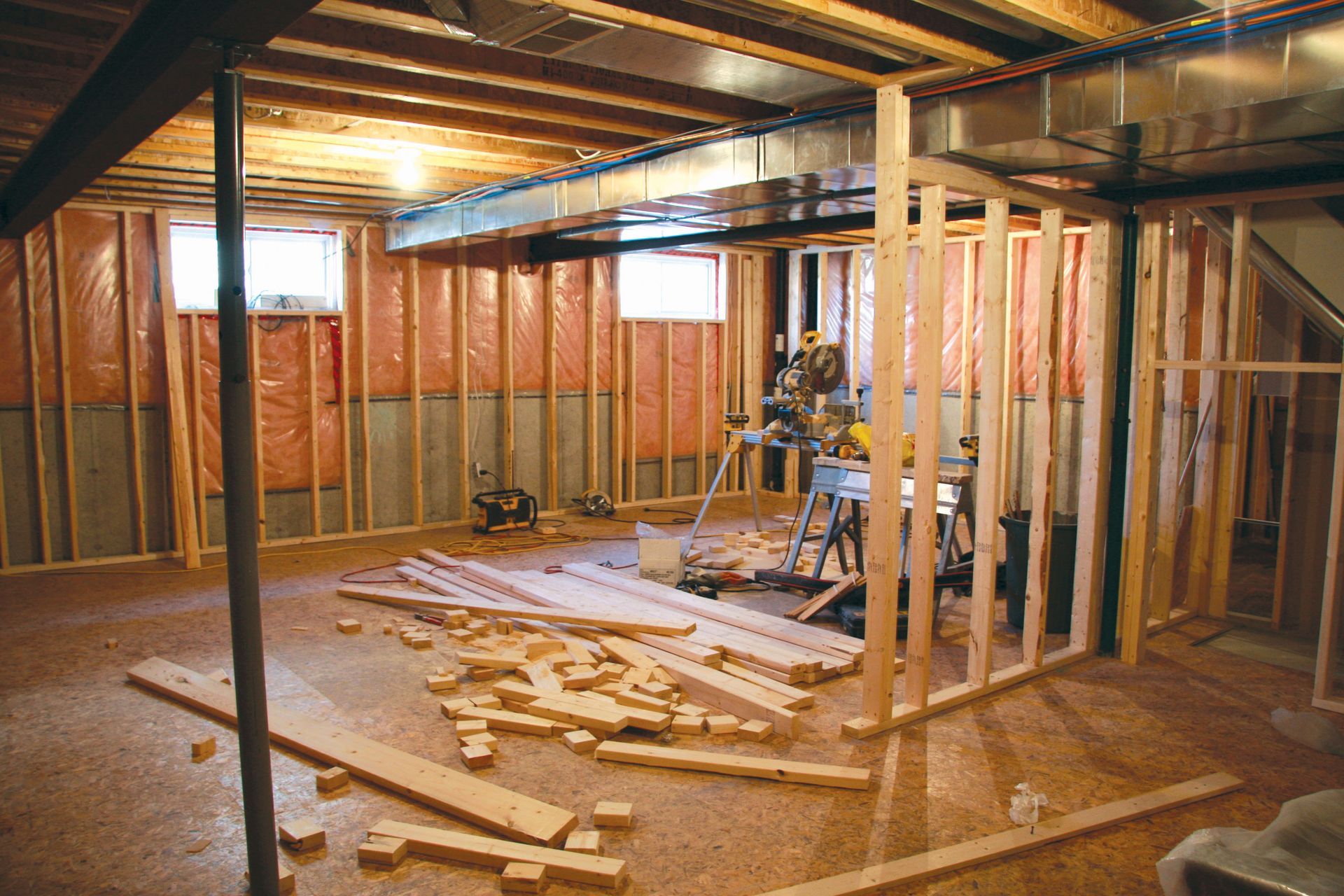
Different areas of a home require different insulation strategies to optimize energy efficiency and meet building codes. For instance, attics are often a primary focus due to their potential for significant heat loss or gain. Walls, floors, and basements also require adequate insulation to minimize thermal bridging and enhance overall energy efficiency. By integrating the right insulation materials, homeowners can achieve a balanced approach to energy conservation and comfort. This comprehensive approach is increasingly driven by advancements in insulation materials and methods, aligning with modern consumption patterns focused on sustainable living.
Balancing Cost-Effectiveness and Budget Considerations
Comparing Initial Costs and Long-Term Savings
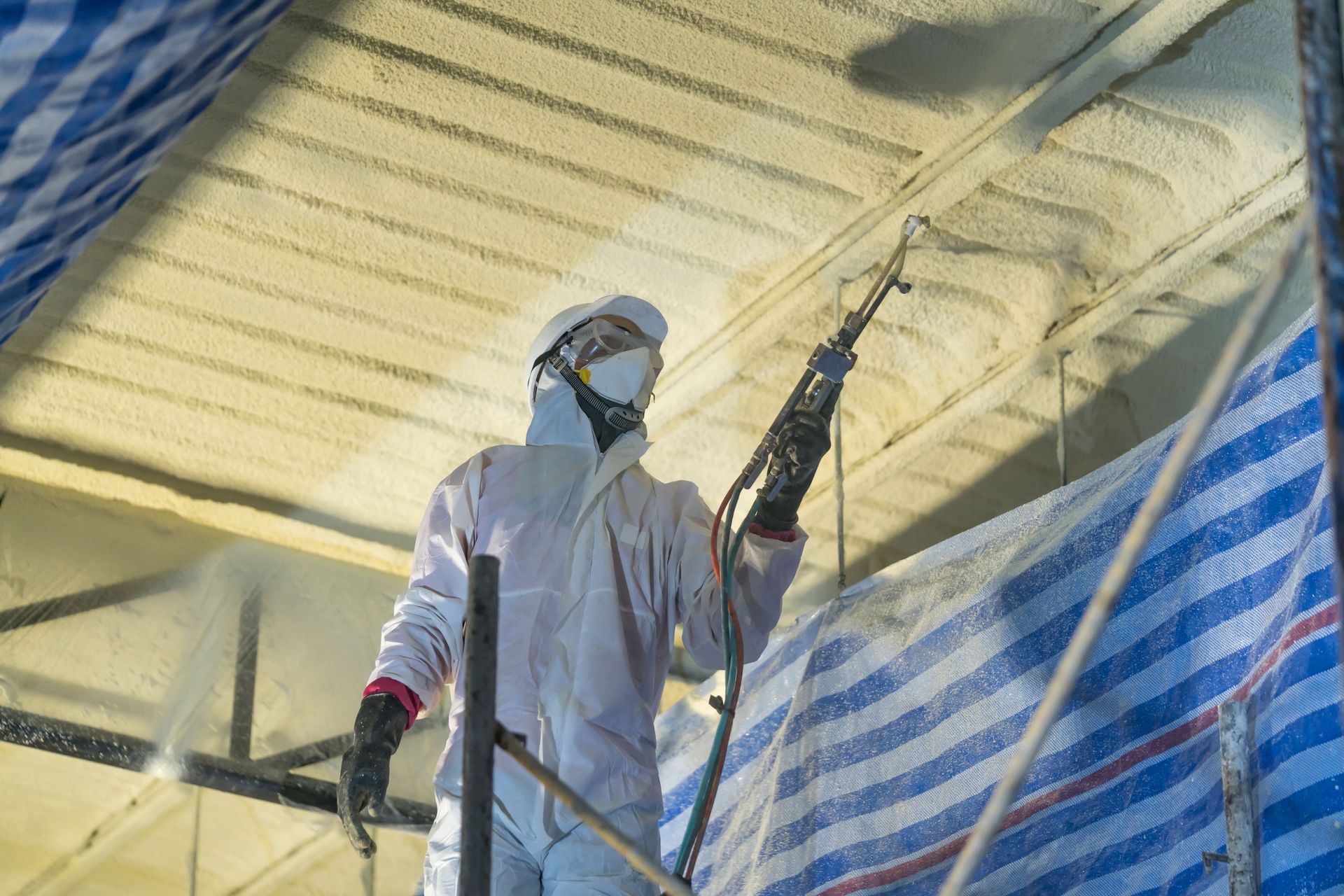
The initial investment in high-quality insulation can be daunting, yet the potential for long-term savings often makes such expenditures worthwhile. While some insulation materials may seem expensive upfront, their ability to significantly reduce energy bills over time translates to substantial cost savings. Materials like spray foam, despite their higher initial cost, offer superior thermal resistance and airtightness, leading to a more efficient building envelope. This efficiency is pivotal in minimizing heating and cooling expenses, enabling homeowners to recoup their investment through lower utility costs. When budgeting for construction or renovation, considering the thermal performance and durability of insulation is crucial.
In analyzing initial costs and long-term savings, understanding the specific energy demands of a building is critical. Different climates and building designs present varying challenges, which can significantly impact the efficiency of insulation materials. Consequently, selecting an insulation type that aligns with the local environment and anticipated energy needs is key. Additionally, advancements in technology and manufacturing are gradually reducing the costs of high-performance insulation materials. This trend promises to make top-tier insulation solutions more accessible to a broader audience, encouraging greater adoption of energy-efficient building practices.
Integrating Future Trends and Innovations
Exploring Advancements in Sustainable Materials
The push towards greener buildings has spurred numerous advancements in sustainable insulation materials. Researchers and manufacturers are exploring novel materials and methods to improve the sustainability and efficiency of insulation. Innovations include bio-based materials such as hemp, flax, and sheep's wool, which offer renewable alternatives to traditional insulation.
Increased investment in sustainable insulation technologies has led to the development of chemically engineered insulations with enhanced eco-friendly profiles. These modern solutions not only reduce environmental impact but often surpass traditional options in terms of performance and durability. As the building industry continues to evolve, the focus is on creating materials that not only insulate but also contribute to overall building health and efficiency.
Choosing the right insulation material is crucial for creating durable, energy-efficient, and sustainable structures. By understanding the different materials available, their properties, and their impacts, architects, builders, and homeowners can make informed decisions that benefit both the environment and their budgets. Professional providers like Foam Insulation Supply can offer tailored solutions that ensure proper installation, compliance with local building codes, and long-term performance. Leveraging the expertise of experienced suppliers guarantees that the insulation not only performs optimally but also aligns with sustainable construction practices. Contact Foam Insulation Supply today to explore expert solutions tailored to your project’s specific needs and achieve superior building efficiency.