February 12, 2026
In the age of sustainability, enhancing property efficiency is crucial. Insulation suppliers play a significant role in optimizing energy consumption and improving the overall efficiency of properties. This article explores how these suppliers contribute to property efficiency through their expertise and product offerings. As we delve into the multifaceted role of suppliers, it becomes evident that their impact extends beyond mere insulation material provision. Through strategic partnerships and innovations, these suppliers are key players in achieving energy-efficient and environmentally conscious buildings.
Insulation and Its Impact on Energy Efficiency
The Basics of Insulation
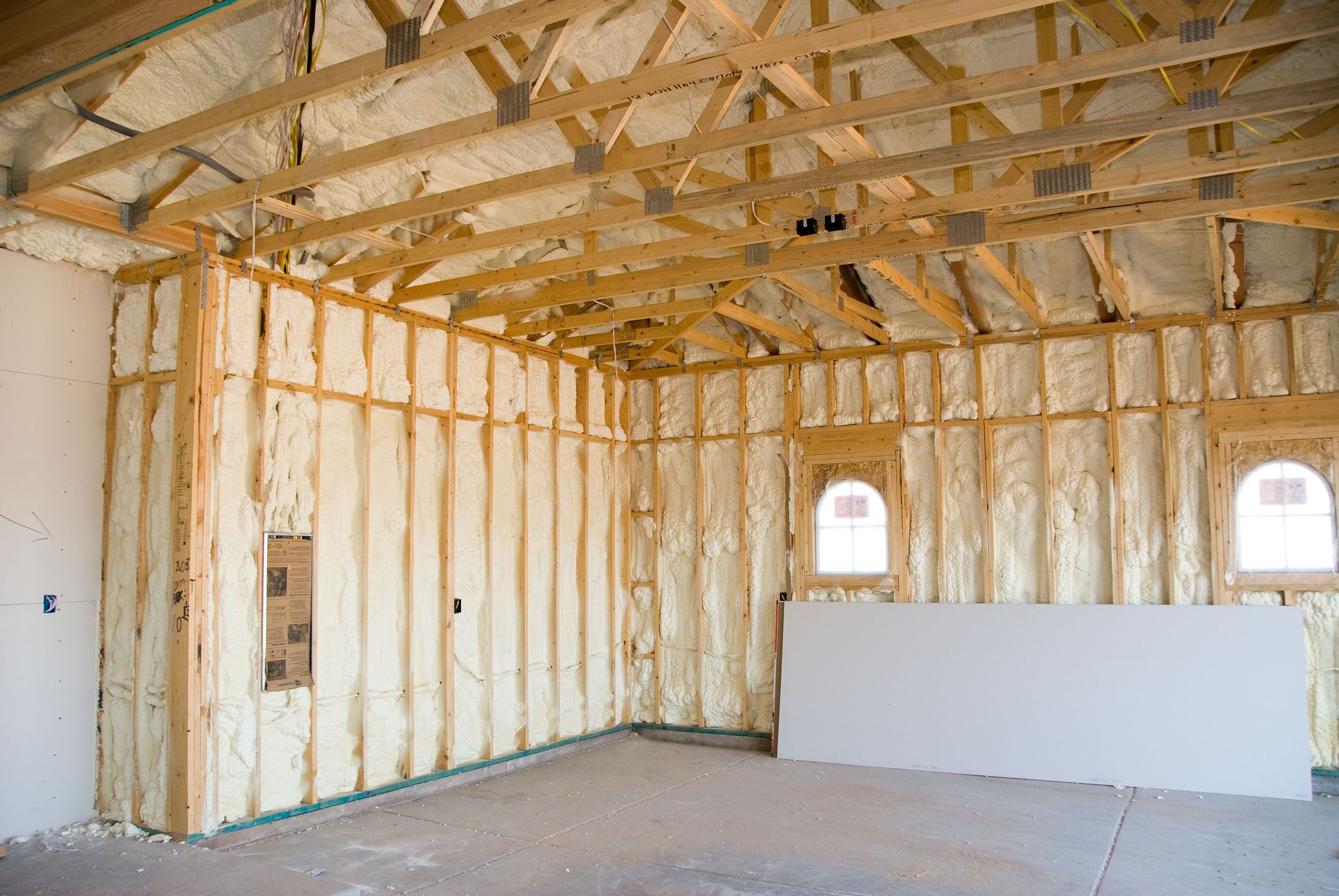
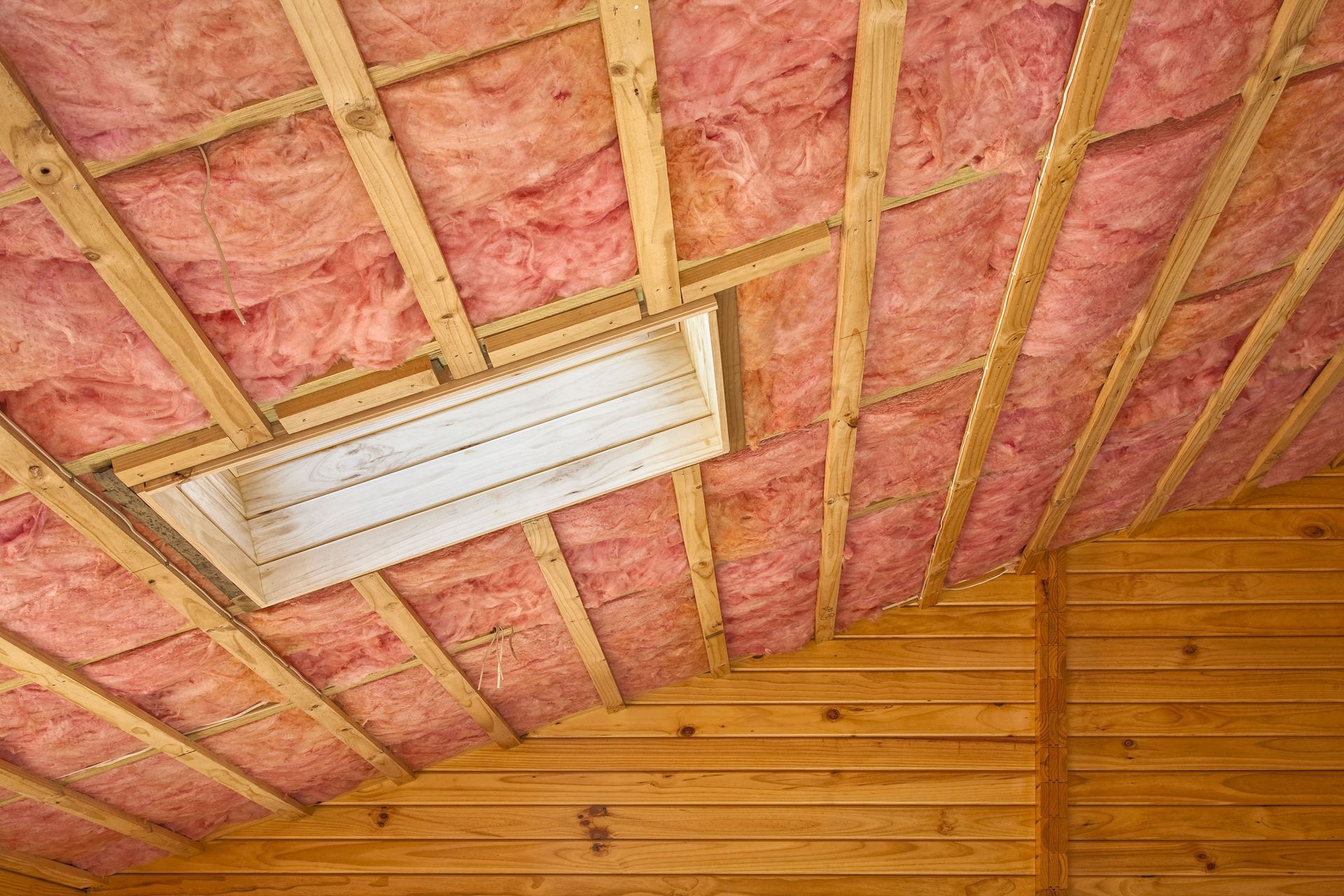
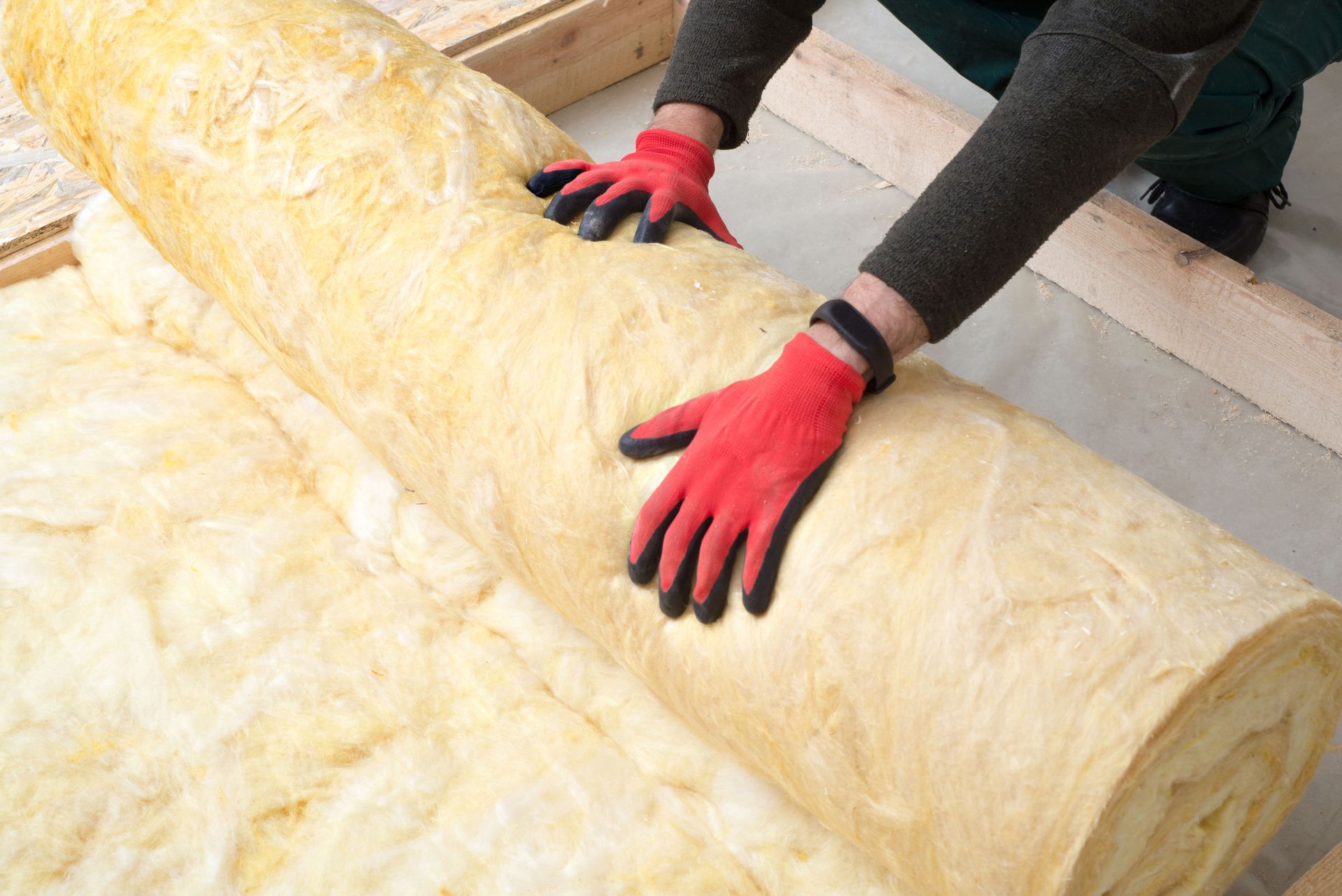
Firstly, insulation is a material used to reduce the rate of heat transfer, thereby providing essential thermal protection to buildings. It helps maintain a consistent indoor temperature regardless of external conditions, which reduces the reliance on heating and cooling systems. Insulation materials can vary, including options such as fiberglass, foam board, and cellulose, each with its unique properties and benefits. Among these, according to the Insulation Institute, blown-in fiberglass insulation accounts for 19% of all insulation used today. Understanding the types and proper application of insulation materials is crucial for maximizing property efficiency.
How Insulation Reduces Energy Consumption
Effective insulation plays a vital role in reducing energy consumption within buildings. By minimizing the exchange of heat, insulation lowers the demand on heating, ventilation, and air conditioning (HVAC) systems, which are significant energy consumers. This reduction in energy demand leads to lower utility bills and a smaller carbon footprint, aligning with modern sustainability goals. Insulation acts as a barrier against heat loss in winter and heat gain in summer, keeping indoor spaces comfortable. Thus, proper insulation installation directly contributes to energy conservation efforts and overall sustainability.
Thermal Resistance and Its Importance
Thermal resistance, measured by R-value, indicates an insulation material's effectiveness in resisting heat flow. The higher the R-value, the better the insulation's performance, which is crucial in maintaining energy-efficient buildings. Insulation suppliers offer expert advice on selecting materials with appropriate R-values suitable for specific climate zones and building types. Understanding and utilizing R-values efficiently can lead to significant improvements in energy savings and comfort levels. Thus, insulation suppliers' role in providing materials with optimal thermal resistance is pivotal in enhancing property efficiency.
Environmental Benefits of Proper Insulation
Beyond energy conservation, proper insulation offers numerous environmental benefits. Reducing energy consumption, it helps decrease the emissions of greenhouse gases from fossil fuel-based energy sources. Efficient insulation thus supports the global aim of lowering environmental impact and combating climate change. Moreover, many insulation materials today are made from recycled content, enhancing their sustainability profile. Insulation suppliers are at the forefront of promoting environmentally friendly materials, contributing to greener and more efficient urban development.
The Role of Insulation in Temperature Regulation
Insulation significantly impacts a building's ability to regulate temperature, influencing both comfort and efficiency. By preventing unwanted heat loss or gain, insulation keeps indoor environments stable and minimizes temperature fluctuations. This stability reduces the need for constant HVAC adjustments, leading to energy and cost savings. Insulation suppliers offer solutions that cater to diverse climate needs, ensuring buildings maintain optimal conditions. Thus, their contribution to temperature regulation is an essential factor in property efficiency enhancement.
The Role of Insulation Suppliers in the Construction Industry
Sourcing High-Quality Materials
Insulation suppliers are critical in the construction industry for their ability to source high-quality materials that meet specific building requirements. By providing materials that adhere to the latest safety and efficiency standards, suppliers ensure optimal building performance. The materials sourced often come from sustainable processes, underlining the commitment to environmental stewardship. These suppliers stay abreast of innovations and advancements in materials, ensuring they offer cutting-edge solutions. Thus, their expertise significantly impacts the overall efficiency and sustainability of construction projects.
Advisory Services for Efficient Building Design
Beyond supplying materials, suppliers offer advisory services to optimize building design for energy efficiency. Their expertise allows them to recommend the best insulation practices tailored to specific building needs, climate conditions, and efficiency goals. Collaborating with architects and builders, they help integrate insulation solutions seamlessly into the design process. This proactive approach ensures that buildings achieve the desired performance metrics from the outset. Consequently, suppliers play a pivotal role in realizing energy-efficient building designs.
Training and Educating Construction Teams
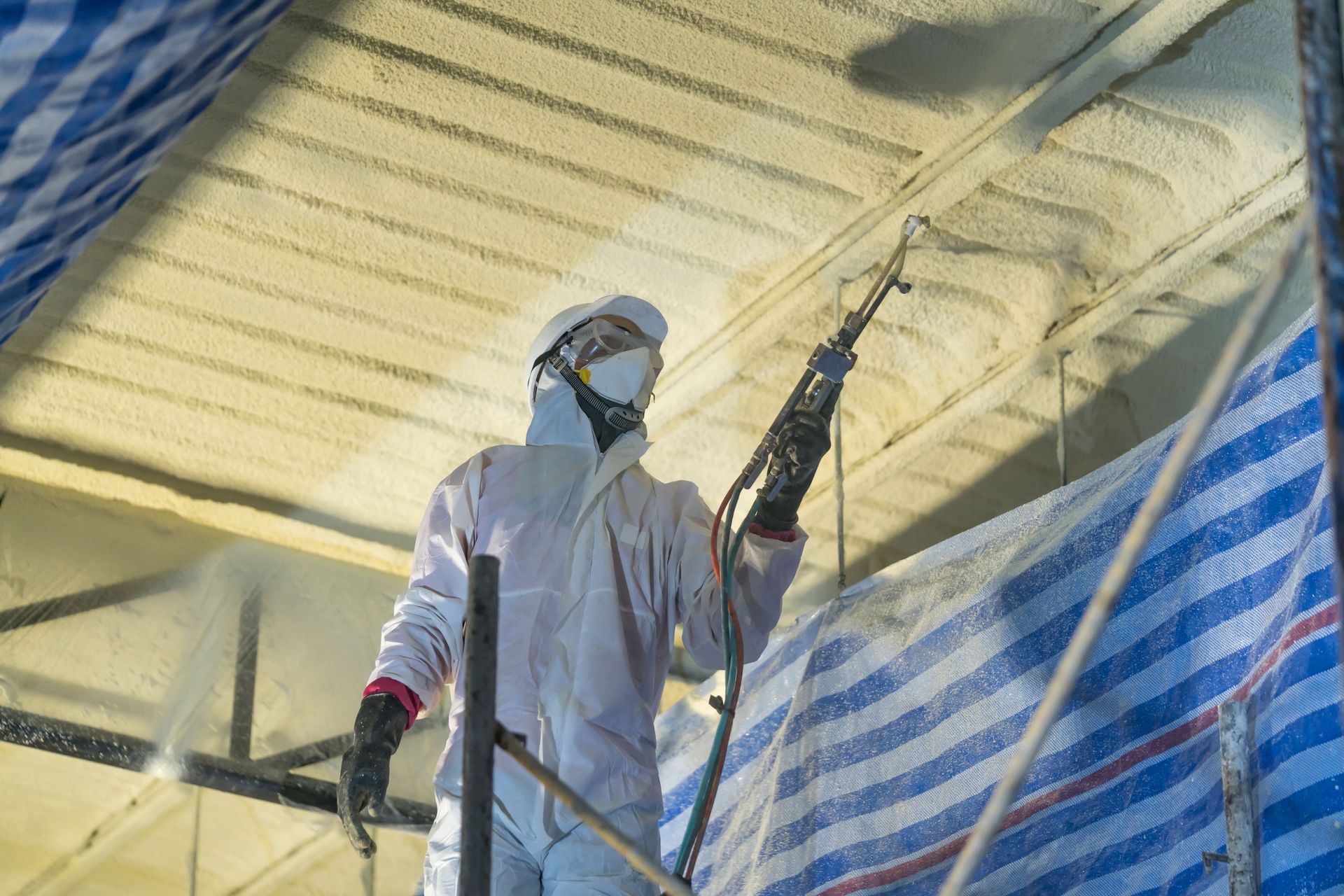
Suppliers also contribute to the construction industry by offering training and education to construction teams. Proper installation is critical to achieving the anticipated energy efficiency benefits of insulation materials. Through workshops and certification programs, suppliers ensure that construction personnel are well-versed in the latest installation techniques and best practices. This training minimizes installation errors and maximizes the effectiveness of the insulation. By empowering construction teams with knowledge, suppliers help maintain high standards in building efficiency.
Innovative Insulation Products on the Market
Eco-Friendly and Sustainable Options
The demand for eco-friendly and sustainable insulation products is growing rapidly, and suppliers are responding with innovative options. These products include insulation made from renewable resources or recycled materials, which help reduce environmental impact. For instance, cellulose insulation, derived from recycled paper, offers a sustainable alternative with excellent thermal performance. Insulation suppliers are at the forefront of promoting these green solutions, contributing to sustainable construction practices. Their efforts support the broader goal of reducing the carbon footprint of buildings globally.
Advancements in Insulation Technology
Technological advancements in the insulation sector have led to new products that enhance energy efficiency. These innovations offer superior thermal resistance with minimal material thickness. As a result, buildings can achieve high levels of insulation without compromising space or aesthetics. Suppliers continuously seek out and provide access to the latest technologies, ensuring that builders have the most efficient options available. This commitment to innovation helps drive progress toward ultra-efficient, modern building designs.
Smart Insulation Solutions
The integration of smart technology into insulation solutions represents an exciting development in the industry. Smart insulation involves materials equipped with sensors that can monitor and adjust their performance in real-time, responding to changes in environmental conditions. Such technology can optimize energy use, further reducing waste and enhancing property efficiency. Suppliers are beginning to explore these smart solutions, offering a glimpse into the future of energy-efficient buildings. By incorporating digital innovations, they enhance the adaptive capabilities of traditional insulation materials.
The Economic Benefits
Cost-Effective Insulation Solutions
Working with suppliers provides access to cost-effective solutions that can lead to significant savings. Suppliers offer competitive pricing on materials due to their ability to negotiate bulk purchasing agreements. These savings can be passed on to builders and property owners, lowering the overall cost of construction. Additionally, the long-term savings on energy expenses resulting from effective insulation contribute to economic efficiency. Thus, collaboration with reliable suppliers is a strategic move for building economically sustainable properties.
Long-Term Savings on Energy Bills
Effective insulation directly correlates with reduced energy consumption, translating to long-term savings on utility bills. By decreasing the need for extensive heating and cooling, insulation lowers the operational costs of buildings. Over time, these savings can add up significantly, especially in regions with extreme temperature variations. Suppliers help achieve these outcomes by offering high-performance materials and expert guidance.
Insulation suppliers are not just providers of materials, but key players in the drive towards property efficiency. Their impact spans environmental, economic, and technological dimensions, influencing both immediate and long-term outcomes in building performance. Contact us at Foam Insulation Supply today to get started with our services.