March 3, 2026
In the realm of construction, ensuring the durability and strength of outdoor structures is paramount. This article explores how spray foam materials are revolutionizing outdoor builds with their remarkable properties and applications. As construction challenges increasingly demand innovative solutions, spray foam stands out as a versatile and efficient material. Its ability to adapt to various construction needs makes it a preferred choice for many builders. This exploration details how spray foam enhances structural integrity and sustainability in modern outdoor construction projects.
Understanding Spray Foam Materials
What is Spray Foam?
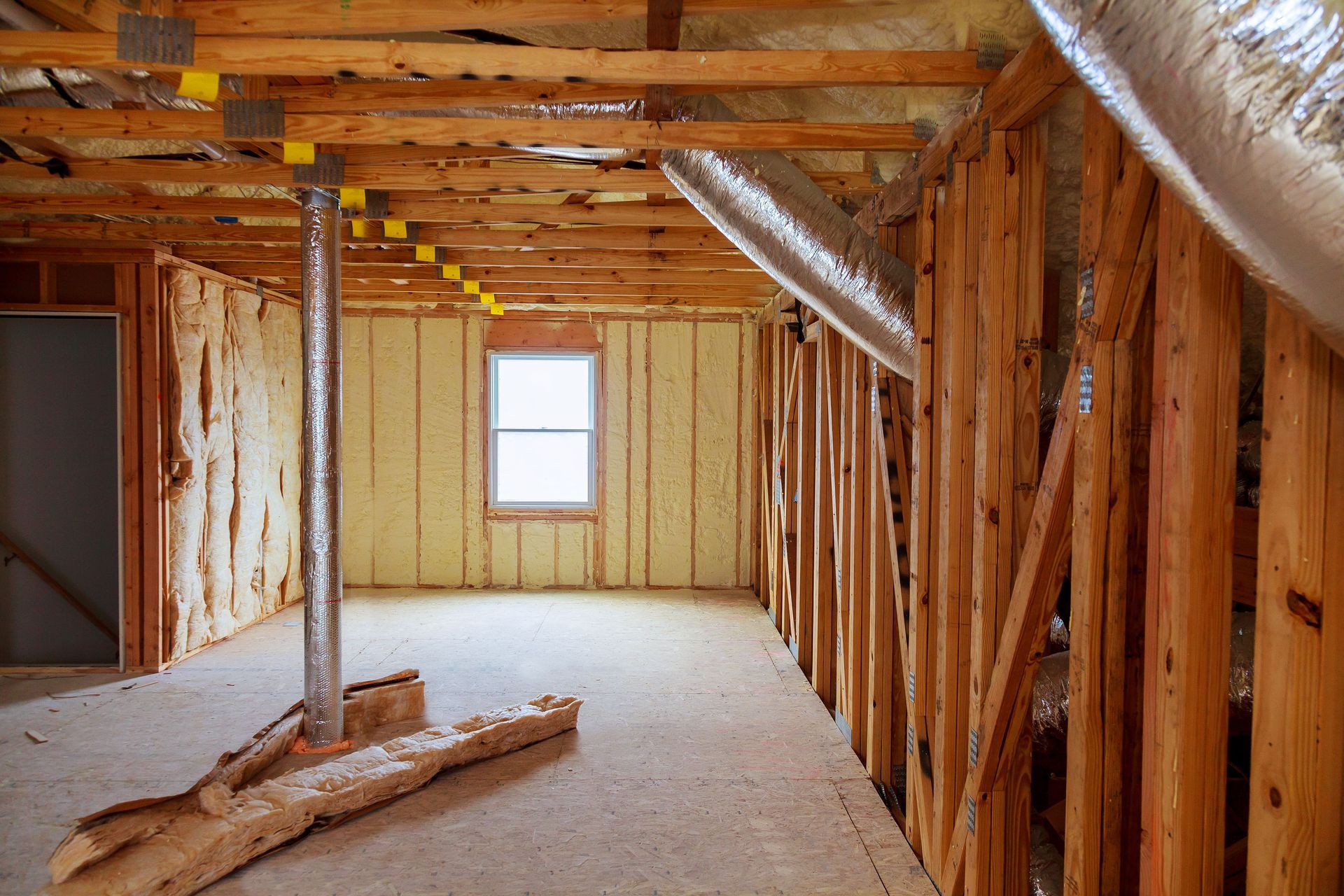
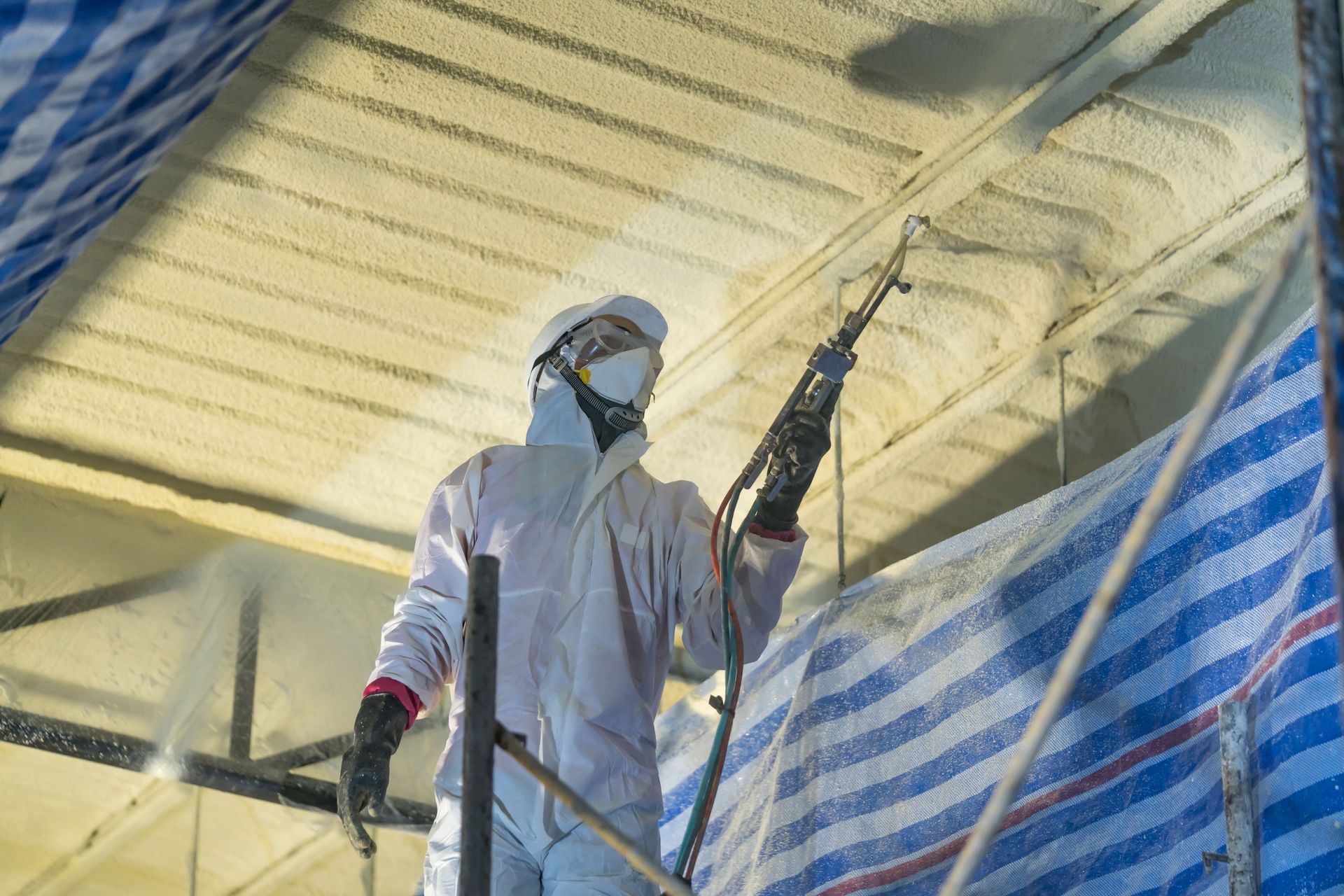
Spray foam is a composite material formed by combining isocyanate and polyol resin, which expands on application to form a solid insulation layer. Used primarily for its insulating properties, it is applied in liquid form to fill gaps and cavities effectively. The expansion property allows the foam to fit snugly, providing a seamless insulation barrier that enhances energy efficiency. Its application extends beyond insulation, including strengthening and soundproofing structures. Moreover, spray foam is utilized in various construction settings, from residential to commercial projects, due to its versatility and effectiveness.
Types of Spray Foam Materials
Primarily, there are two types of spray foam: open-cell and closed-cell. Open-cell foam is less dense, providing an excellent air barrier with its softer, flexible construction. This type is especially effective for indoor soundproofing given its ability to absorb sound vehemence. Conversely, closed-cell foam is denser and more rigid, offering superior moisture and vapor barrier properties, hence more suitable for outdoor applications. Both types cater to different needs and preferences in constructing energy-efficient and durable structures.
Chemical Composition and Properties
The chemical composition of spray foam involves the reaction between two key components: a polyol resin and an isocyanate. This reaction causes the material to expand, filling spaces and providing a consistent barrier against energy loss. Closed-cell foams, due to their density, possess greater structural strength and water resistance compared to open-cell variants. This intrinsic robustness is one reason closed-cell foam is preferred for load-bearing applications. Meanwhile, open-cell foams contribute to superior indoor air quality due to their breathability, allowing moisture to escape.
Manufacturing Process
The manufacturing process of spray foam involves a rigorous procedure to ensure consistency and reliability. Initially, raw chemicals are mixed at high temperatures and pressures, immediately reacting to create foam. Application requires precision equipment that controls the temperature, pressure, and ratio of the chemicals to ensure optimal expansion and curing. Technology advancements have streamlined this process, enhancing application safety and efficiency. Manufacturers continuously refine these processes to produce foams that adhere more perfectly to construction surfaces.
Environmental Impact and Sustainability
Spray foam's environmental impact has been a focal point in discussions around sustainable building materials. While its production involves chemicals, advancements have led to formulations with reduced ecological footprints. Many manufacturers now emphasize the use of water-based and low-VOC (volatile organic compounds) products to minimize environmental damage. With improved energy efficiency, spray foam insulation can significantly reduce a building's carbon footprint. Notably, according to Why Spray Foam, foam insulation could reduce your HVAC size by up to 35% without losing temperature quality, thus conserving energy and resources.
Strengthening Foundations with Spray Foam
Advantages in Foundation Reinforcement
Spray foam offers several advantages in reinforcing building foundations, contributing to overall structural integrity. It enhances load distribution through its solidified form, reducing stress on existing structural elements. Moreover, its application prevents soil shifting by stabilizing the base material, which is crucial in areas susceptible to seismic activity. Unlike traditional insulation methods, spray foam integrates seamlessly with other structural advancements, creating a cohesive reinforcement strategy. This adaptability ensures that foundations are not only strong but also resilient against environmental and physical stresses.
Applications in Different Soil Types
Engineers and construction professionals often turn to spray foam when working with diverse soil types. Its ability to form a barrier protects against soil moisture ingress, particularly in clay and loamy soils prone to water retention. By creating an impermeable layer, spray foam mitigates risks associated with soil erosion and expansion. These properties ensure that foundations remain intact despite varying soil compositions, enhancing building longevity. The material's versatility allows it to be customized for specific soil conditions, addressing unique construction challenges for robustness and longevity.
Load-Bearing Enhancements
The application of closed-cell spray foam can significantly boost the load-bearing capacity of construction foundations. Its rigid nature once cured adds structural strength, transforming foundation support and distribution capabilities. Spray foam's integration into foundation systems helps mitigate wear and tear from dynamic loads such as foot traffic and equipment vibrations. The strength integration means lighter construction materials can be used for other parts of the building without compromising safety. Overall, spray foam's incorporation within foundation systems ensures stability and reliability under various loading conditions.
Resistance to Moisture and Erosion
A paramount attribute of spray foam is its resistance to moisture infiltration and subsequent erosion, critical for foundation longevity. The closed-cell variant, in particular, prevents water penetration, protecting structural integrity from humidity-related damage. For regions prone to high rainfall or water table fluctuations, spray foam acts as a protective shield against erosion and hydrostatic pressure. This protective measure preserves the foundation structure, preventing costly repairs and maintenance. By acting as a barrier to environmental elements, spray foam helps secure outdoor builds against natural degradative processes.
Case Studies of Successful Implementations
The benefits of spray foam in foundation applications are evidenced by numerous successful implementations in various geographical contexts. In areas prone to earthquakes, spray foam insulation has effectively mitigated soil-related failures by stabilizing loose sediment. Projects in flood-prone regions have benefited from spray foam's moisture resistance, avoiding standard water damage and erosion. Similarly, constructions built on coastal terrains have demonstrated longevity thanks to spray foam's resilience against saltwater intrusion. These real-world applications highlight the practicality and success of spray foam technology in demanding foundation conditions.
Insulating and Protecting Roof Structures
Thermal Insulation Benefits
In roof construction, spray foam offers unparalleled thermal insulation benefits, creating comfortable indoor environments. It acts as a barrier that prevents air leakage, maintaining consistent indoor temperatures irrespective of external weather conditions. This efficiency translates into reduced HVAC system sizes and energy consumption, as highlighted by Why Spray Foam. By decreasing reliance on mechanical heating and cooling, spray foam insulation helps reduce energy bills significantly. This economic efficiency, coupled with environmental benefits, makes spray foam a sound choice for sustainable roofing solutions.
Weatherproofing Capabilities
Spray foam's weatherproofing attributes provide roofs with a resilient shield against environmental elements. Its seamless application creates an airtight barrier, effectively safeguarding against precipitation, harmful UV rays, and winds. Unlike traditional roofing materials that might crack or shift over time, spray foam maintains its integrity year-round. In climates experiencing extreme temperature shifts, spray foam absorbs expansion stresses, adapting to both cold and warm environments without degrading. Thus, roofs fortified with spray foam insulation stand resilient against all weather extremities, reflecting its superiority as a weatherproofing solution.
As the construction industry continues to advance, spray foam materials are proving indispensable in creating stronger, more sustainable outdoor structures. Through their versatility and efficiency, they are setting new standards for durability and innovation in outdoor builds. This transformative material ensures that structures are not only strong and resilient but also environmentally responsible. As spray foam technology evolves, its role in modern construction will undoubtedly expand, offering endless possibilities for future applications. By embracing these advancements, the construction industry stands poised for a future where innovation and sustainability are seamlessly integrated. Be sure to reach out to Foam Insulation Supply today for more information on our professional spray foam materials!