May 15, 2026
Modern engineering has revolutionized the way we approach building efficiency, placing a significant emphasis on high-performance envelopes that minimize thermal transfer. One of the most effective solutions currently available is the implementation of spray foam materials, which offer a superior alternative to traditional fiberglass or cellulose insulation. These advanced chemical compositions provide more than just a thermal barrier; they create a comprehensive air-sealing system that protects the interior climate from external fluctuations. By integrating these products into residential and commercial designs, builders can ensure long-term sustainability and comfort. This technology represents a critical leap forward in the quest for net-zero energy consumption.
Eliminating Air Leakage Pathways
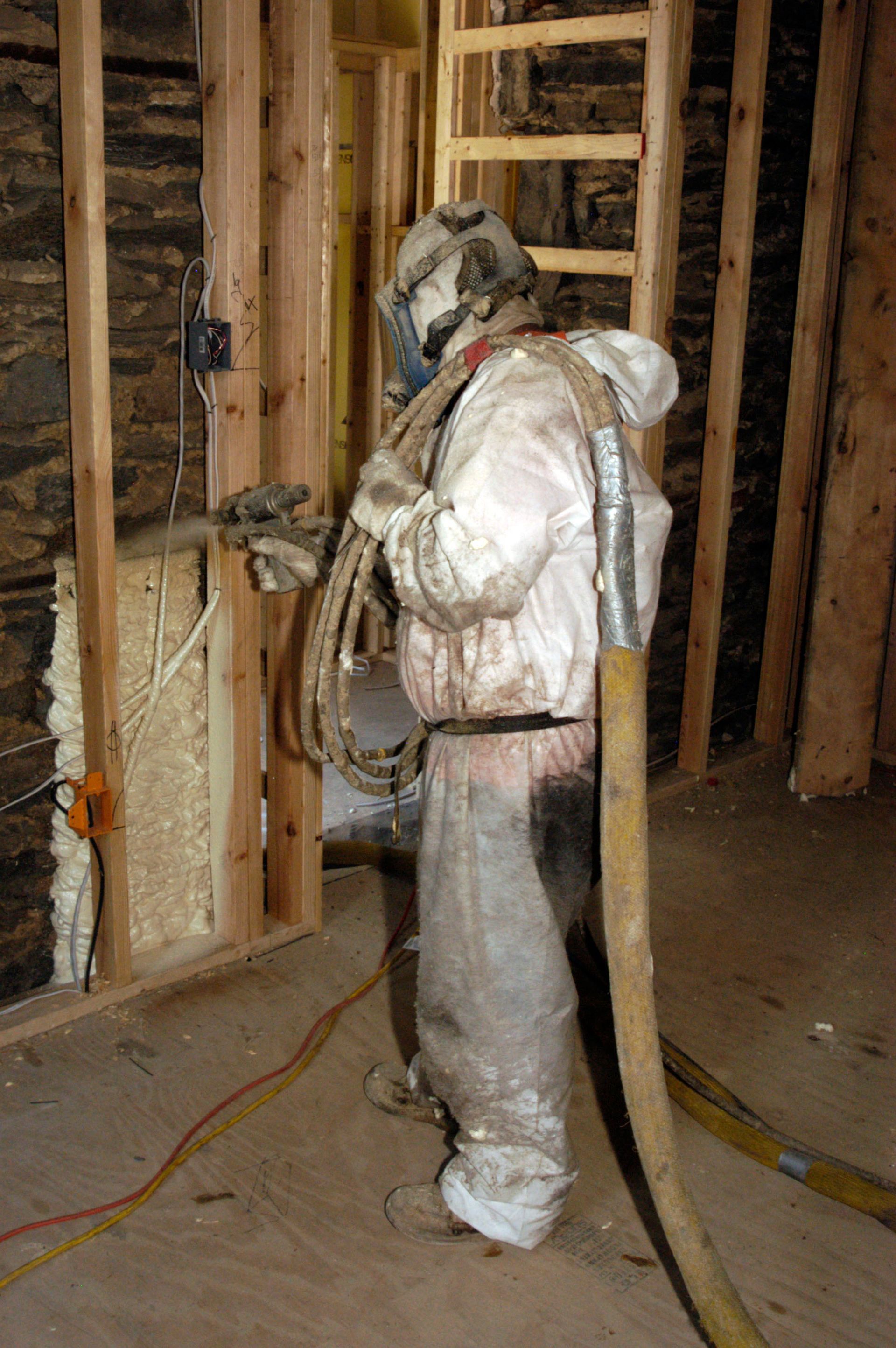
The primary driver of high utility bills in older structures is the unintentional exchange of air through gaps in the building envelope. When builders apply spray foam materials, the substance expands rapidly to fill every nook, cranny, and microscopic crevice that traditional batts simply cannot reach. This expansive quality creates an airtight seal that prevents conditioned air from escaping and unconditioned outdoor air from entering. By sealing the attic, crawl spaces, and exterior walls, the HVAC system does not have to work nearly as hard to maintain a consistent temperature. This reduction in mechanical strain translates directly into lower monthly electricity and gas expenses.
Enhancing Thermal Resistance Ratings
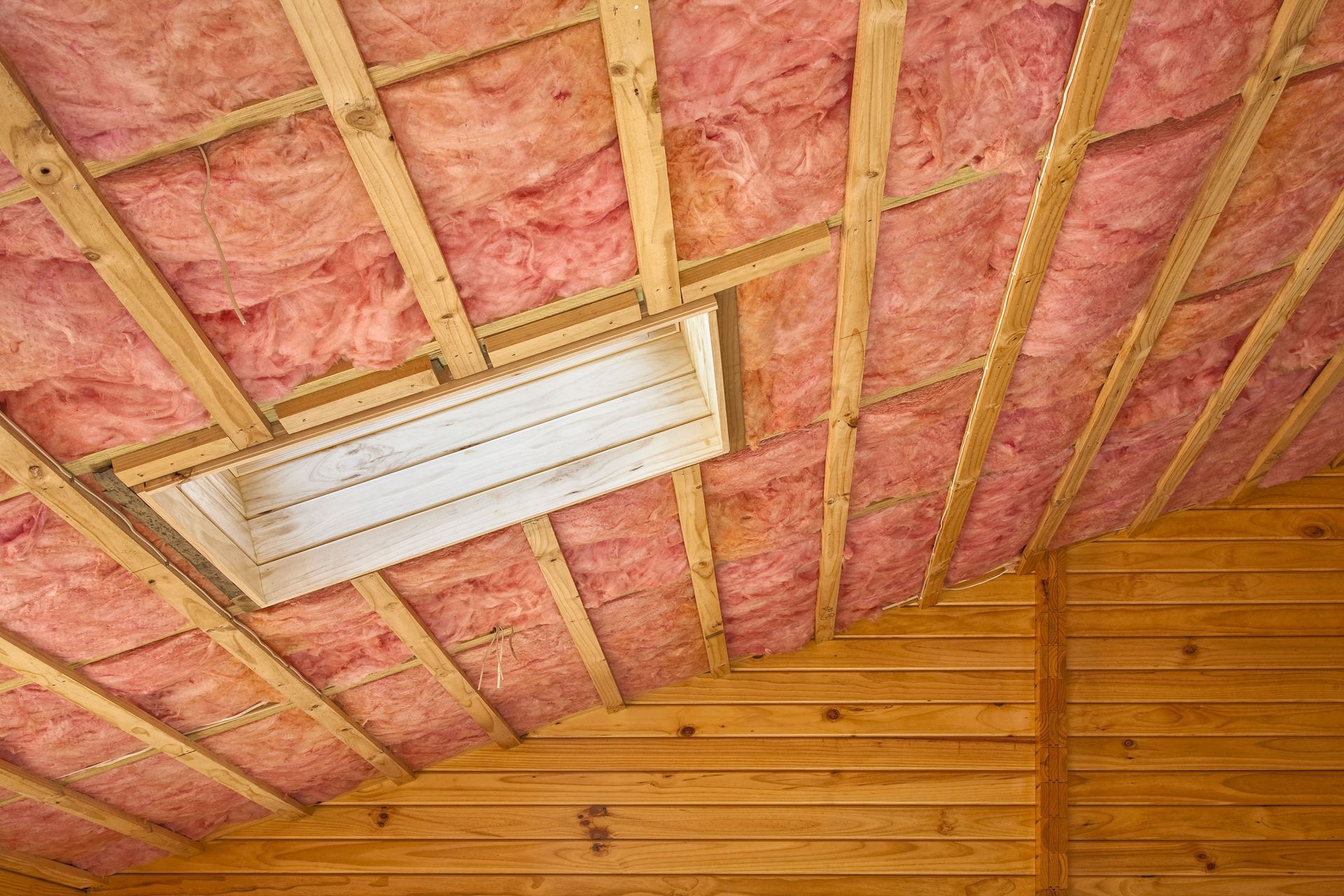
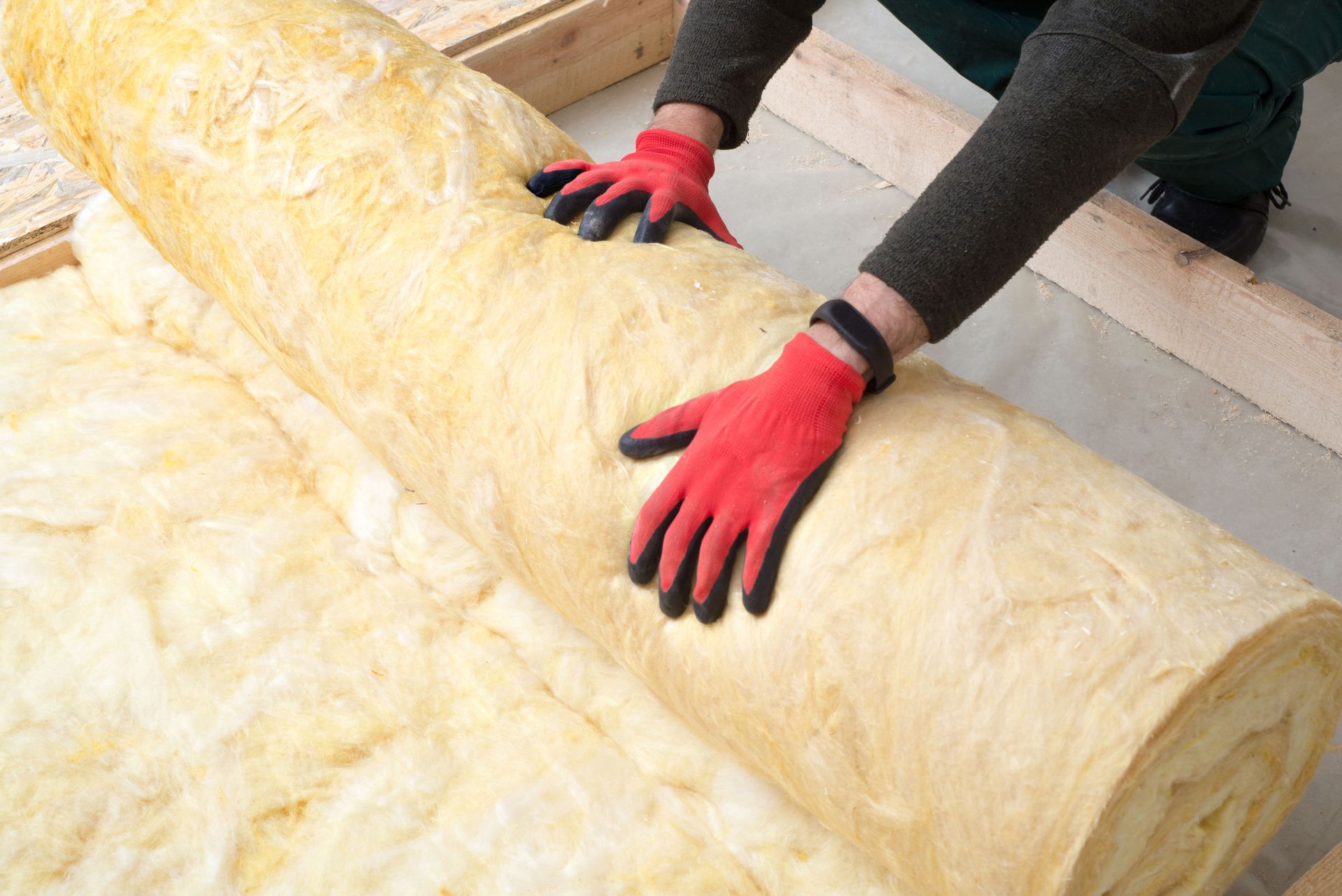
The effectiveness of any insulating product is measured by its R-value, which indicates how well it resists the flow of heat. High-density spray foam materials boast some of the highest R-values per inch in the industry, making them ideal for thin-wall assemblies where space is at a premium. Unlike fiberglass, which can sag or settle over time and lose its efficacy, foam maintains its structural integrity and insulating power throughout its entire existence. This consistent performance ensures that the thermal boundary of the home remains robust regardless of the age of the structure or the severity of the local weather.
Investing in Long-Term Durability
One of the most compelling arguments for choosing premium insulation is the sheer longevity of the product compared to other building components. According to This Old House, spray foam insulation has a lifespan of up to 80 years. This incredible durability means that once spray foam materials are installed, they likely will not need to be replaced or supplemented for the remainder of the building's useful life. This permanence provides an exceptional return on investment, as the energy savings continue to accumulate decade after decade without the need for costly maintenance. It is a one-time upgrade that offers permanent protection for the property.
Preventing Moisture and Mold Growth
Moisture infiltration is a silent enemy of energy efficiency, as damp insulation loses its ability to resist heat transfer and can lead to structural rot. Because closed-cell spray foam materials act as a vapor barrier, they effectively block water vapor from migrating through the walls and condensing on cold surfaces. This moisture management is crucial for preventing the growth of mold and mildew, which can compromise indoor air quality and require expensive remediation. A dry building is an efficient building, and by controlling humidity levels, the foam helps create a healthier, more stable environment for all.
Strengthening Structural Building Integrity
Beyond its thermal properties, the rigid nature of closed-cell foam actually contributes to the physical strength of the walls and roof deck. When spray foam materials are injected into a wall cavity, they bond to the studs and sheathing, creating a composite structure that is more resistant to wind uplift and shearing forces. This added "rack strength" can be particularly beneficial in regions prone to high winds or seismic activity. While its primary job is to save money on heating and cooling, the secondary benefit of a more durable building shell adds an extra layer of value and safety.
Reducing HVAC System Sizing
When a home is properly sealed and insulated with high-performance foam, the total heating and cooling load is significantly diminished compared to standard construction. This allows architects and mechanical engineers to specify smaller, more efficient HVAC units that use less power to achieve the same level of comfort. Smaller units are not only cheaper to purchase initially, but they also cycle less frequently, which extends the life of the equipment and reduces maintenance costs. By using spray foam materials to optimize the building envelope, the entire mechanical strategy of the home becomes more streamlined and cost-effective.
Improving Indoor Air Quality
An airtight home does more than just save money; it provides a controlled environment where the air you breathe is filtered and pure. Because the foam seals out dust, pollen, and outdoor pollutants, it significantly reduces the triggers for asthma and allergies among the residents. Traditional insulation can often harbor pests or trap allergens within its fibers, but foam provides no food source for insects or rodents and remains inert. This clean barrier ensures that the mechanical ventilation system can work effectively, providing fresh, tempered air without the interference of dirty "bypass" air from the attic or garage.
Minimizing Environmental Carbon Footprints
As global awareness of climate change grows, the construction industry is looking for ways to reduce the total carbon output of new buildings. By drastically cutting the amount of energy required to heat and cool a space, spray foam plays a vital role in reducing the demand on the electrical grid and fossil fuel resources. Lower energy consumption leads to fewer greenhouse gas emissions over the lifespan of the house. Furthermore, many modern foam blowing agents have been reformulated to have a low global warming potential, ensuring that the product is as environmentally friendly during installation as it is during its decades of service.
Dampening External Noise Pollution
Peace and quiet are essential components of a comfortable home, especially in bustling urban areas or near busy highways and airports. The dense structure of foam insulation provides excellent sound attenuation properties, absorbing vibrations and blocking the transmission of airborne noise. When applied to exterior walls and between floors, it creates a much quieter interior sanctuary by preventing sound from "leaking" through the same gaps that air would. This acoustic benefit enhances the overall living experience, making the home feel more private and secluded while simultaneously working to keep the utility bills at an all-time low.
Optimizing Attic Living Spaces
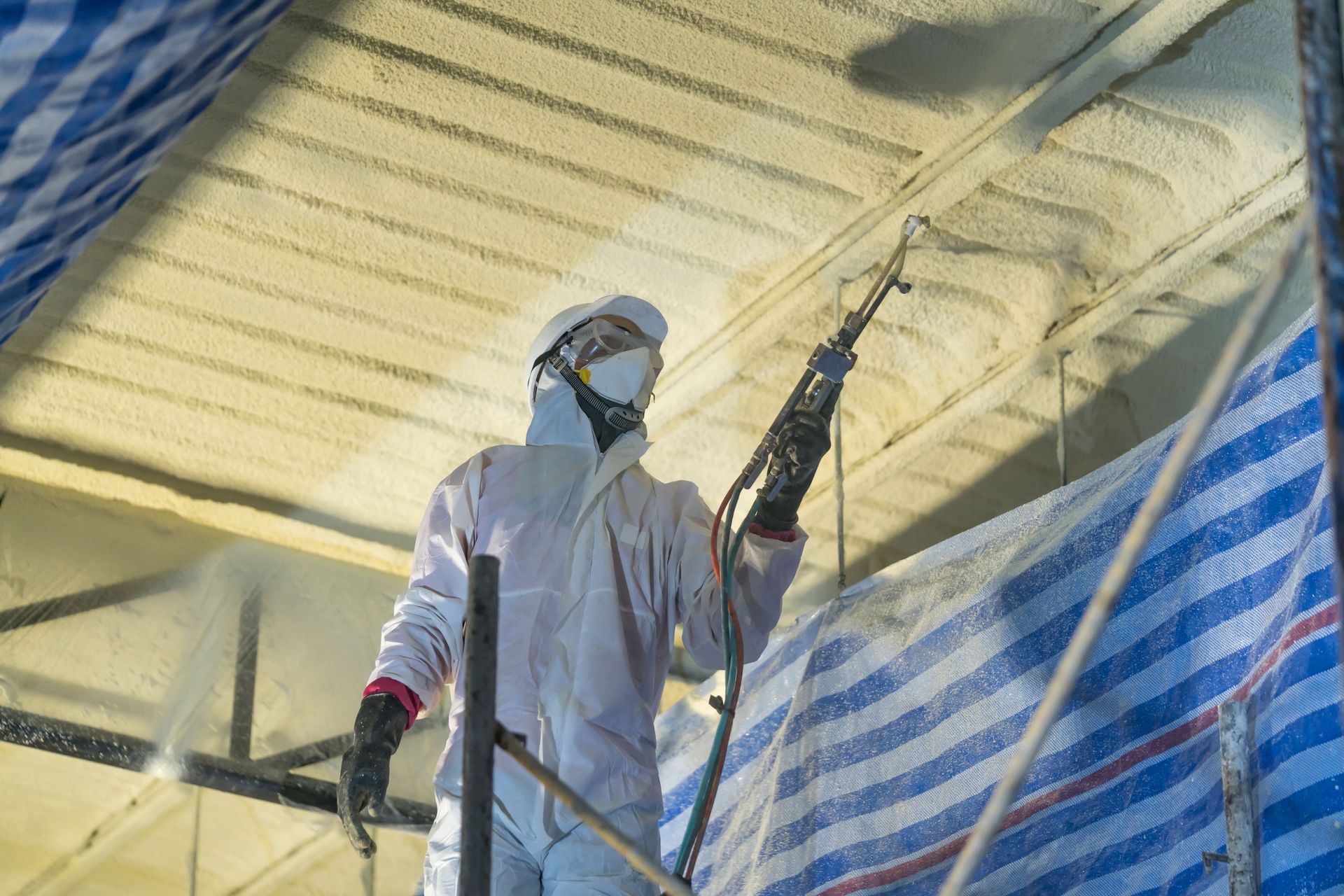
In many traditional homes, the attic is a vented, sweltering space that makes the rest of the house harder to cool during the summer months. By applying foam directly to the underside of the roof deck, builders can create a "conditioned attic" that stays within a few degrees of the main living area. This move shifts the thermal boundary to the roofline, protecting HVAC ductwork and equipment located in the attic from extreme temperatures. This strategy prevents the loss of energy through duct leakage and can even turn a formerly wasted attic into a usable, comfortable square footage for the family.
Mitigating Ice Dam Formations
In colder climates, uneven heat loss through the roof can cause snow to melt and refreeze at the eaves, leading to destructive ice dams. These dams trap water under shingles and cause significant leaks, but they are easily prevented with proper thermal management at the roofline. Spray foam provides a seamless, airtight barrier that prevents warm interior air from reaching the roof sheathing and melting the snow cover. By maintaining a "cold roof" in the winter, the foam protects the structural integrity of the house and prevents the expensive interior water damage that often follows a harsh winter season.
Choosing the right insulation is one of the most impactful decisions a homeowner or builder can make regarding the long-term performance of a property. While the initial investment in spray foam might be higher than traditional alternatives, the comprehensive benefits of energy savings, structural strength, and improved air quality far outweigh the costs. By creating a permanent, airtight seal that lasts for generations, these materials provide a level of efficiency that is simply unmatched in the industry. As we move toward a future of more stringent energy codes, spray foam remains the gold standard for creating sustainable, comfortable, and affordable modern homes. Are you seeking specific spray foam materials for your home in the Mead, OK area? The professionals at Foam Insulation Supply are ready to assist! Call today for more information.