June 15, 2026
Insulation materials have become increasingly vital in modern architectural design due to their significant impact on energy efficiency. With energy costs growing and environmental concerns regarding energy consumption, the choice of insulation materials has become a pivotal component for construction projects. These materials help to maintain temperature control, reduce energy bills, and provide comfort throughout seasonal changes. There is a wide variety of insulation materials available on the market, each designed with specific properties suitable for different applications. Understanding these options is crucial for making informed decisions in commercial and residential construction.
As demand for energy-efficient solutions rises, so does the innovation in insulation technology. Traditional wholesale insulation materials, like fiberglass and mineral wool, have been widely used for decades. However, newer solutions such as spray foam, rigid foam boards, and radiant barriers are also gaining popularity due to their advanced properties. Foam insulation offers 50% more insulating efficiency, according to HomeAdvisor, compared to traditional materials. Each type of material offers unique benefits and potential drawbacks, which makes it essential to evaluate each based on specific needs and circumstances.
This blog will delve into the various kinds of fiberglass wholesale insulation materials available today, providing a thorough analysis of their characteristics, advantages, and limitations. By exploring these factors, stakeholders in the construction and real estate industries can make more informed decisions about the materials they choose to use.
Composition and Manufacturing Process
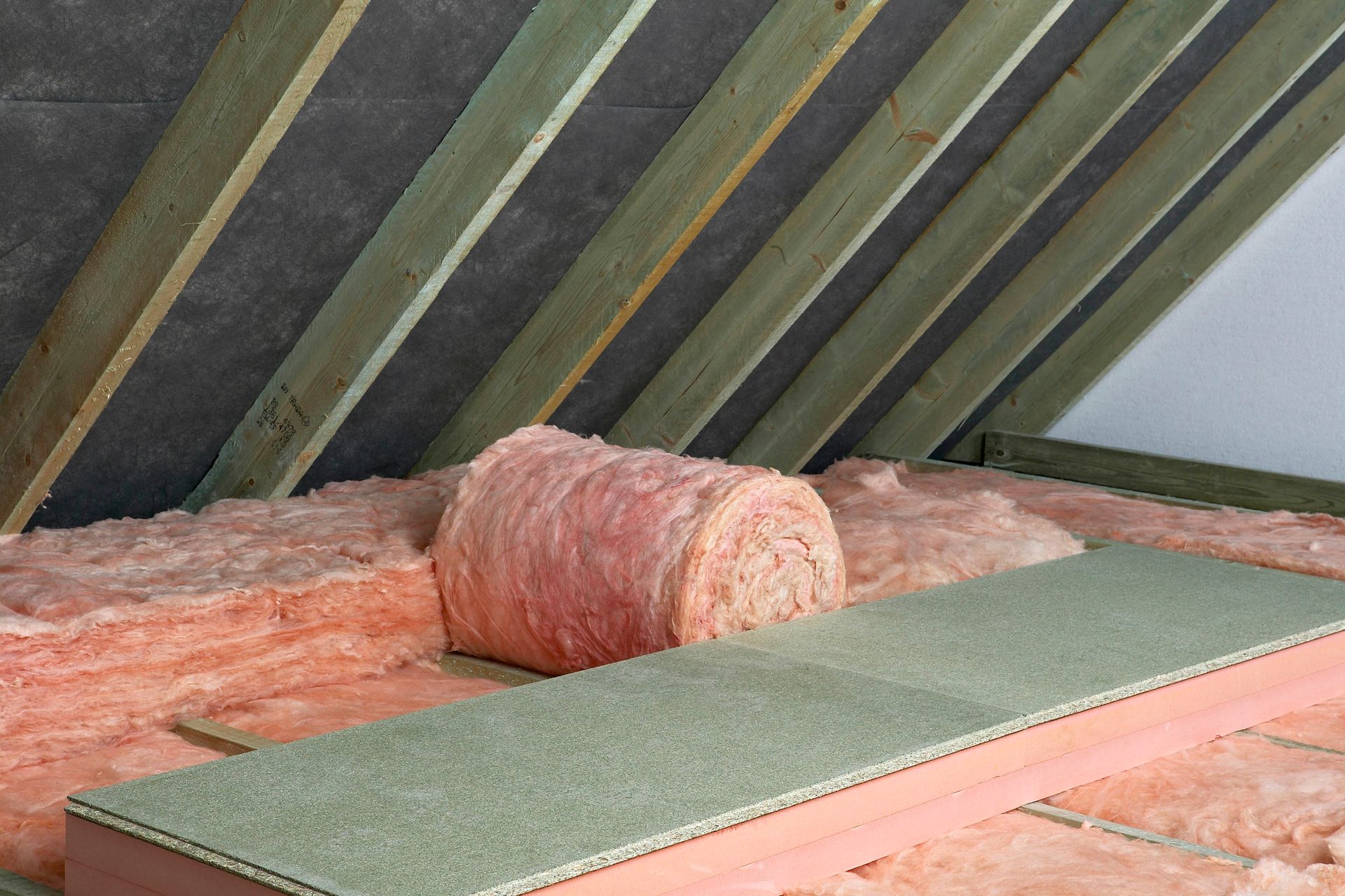
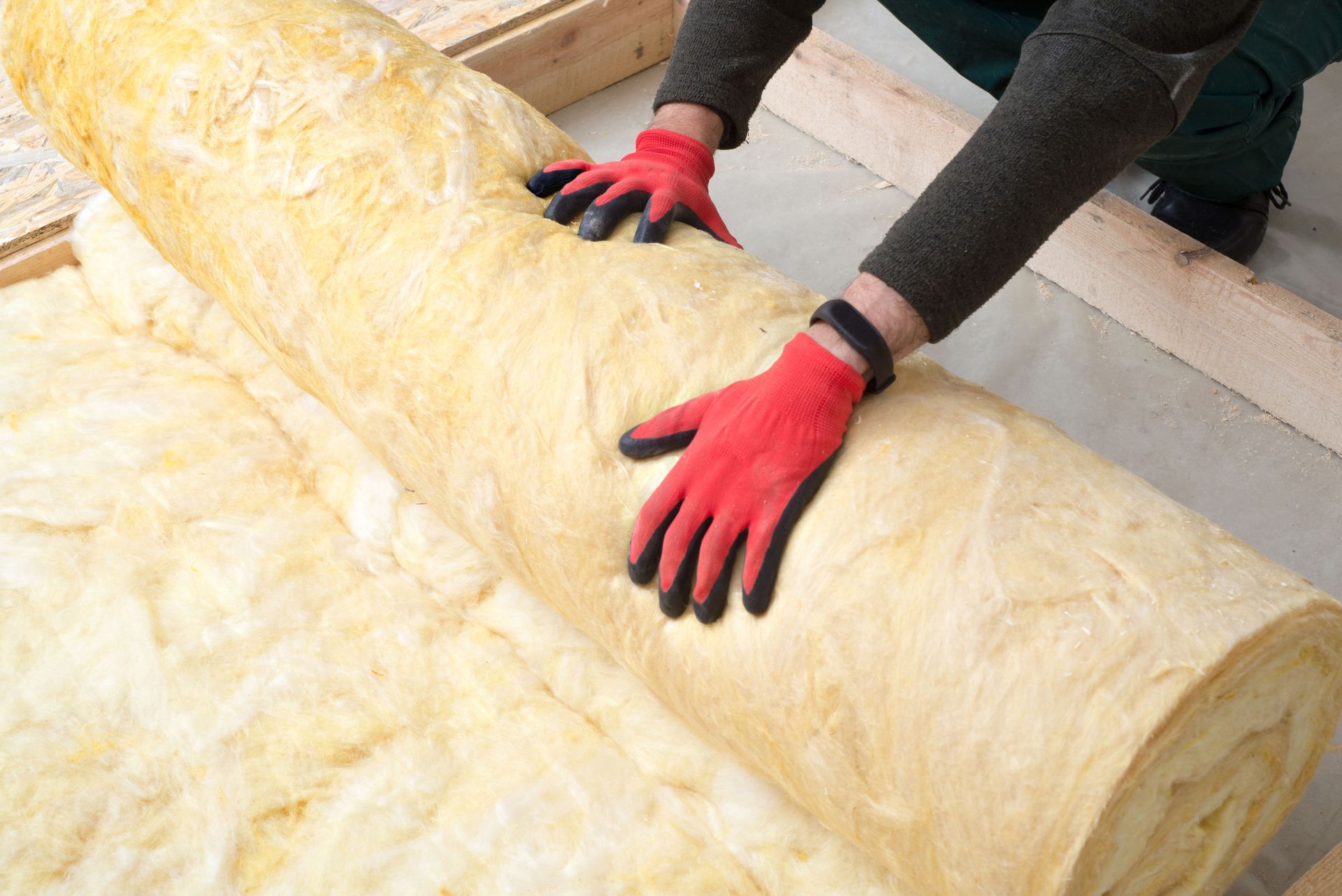
Fiberglass insulation is one of the oldest and most widely used wholesale insulation materials. It is composed mainly of fine strands of glass fibers, which are woven together to create an insulating layer. The manufacturing process involves melting glass into a molten state and then spinning or drawing it into thin fibers. These fibers are then gathered into thick pads or rolls, which can be installed easily in various structural settings. The composition of fiberglass makes it naturally fire-retardant and an effective insulator against both heat and cold.
The production of fiberglass has become increasingly efficient over the years, with advancements in technology and materials recycling. It is an economical choice as the raw materials used are abundant and can be sourced sustainably. The fibers are usually bound together using a resin to form batts, often faced with paper or foil to assist with moisture control. Despite its longstanding use, ongoing innovations continue to improve its performance capabilities and environmental impact.
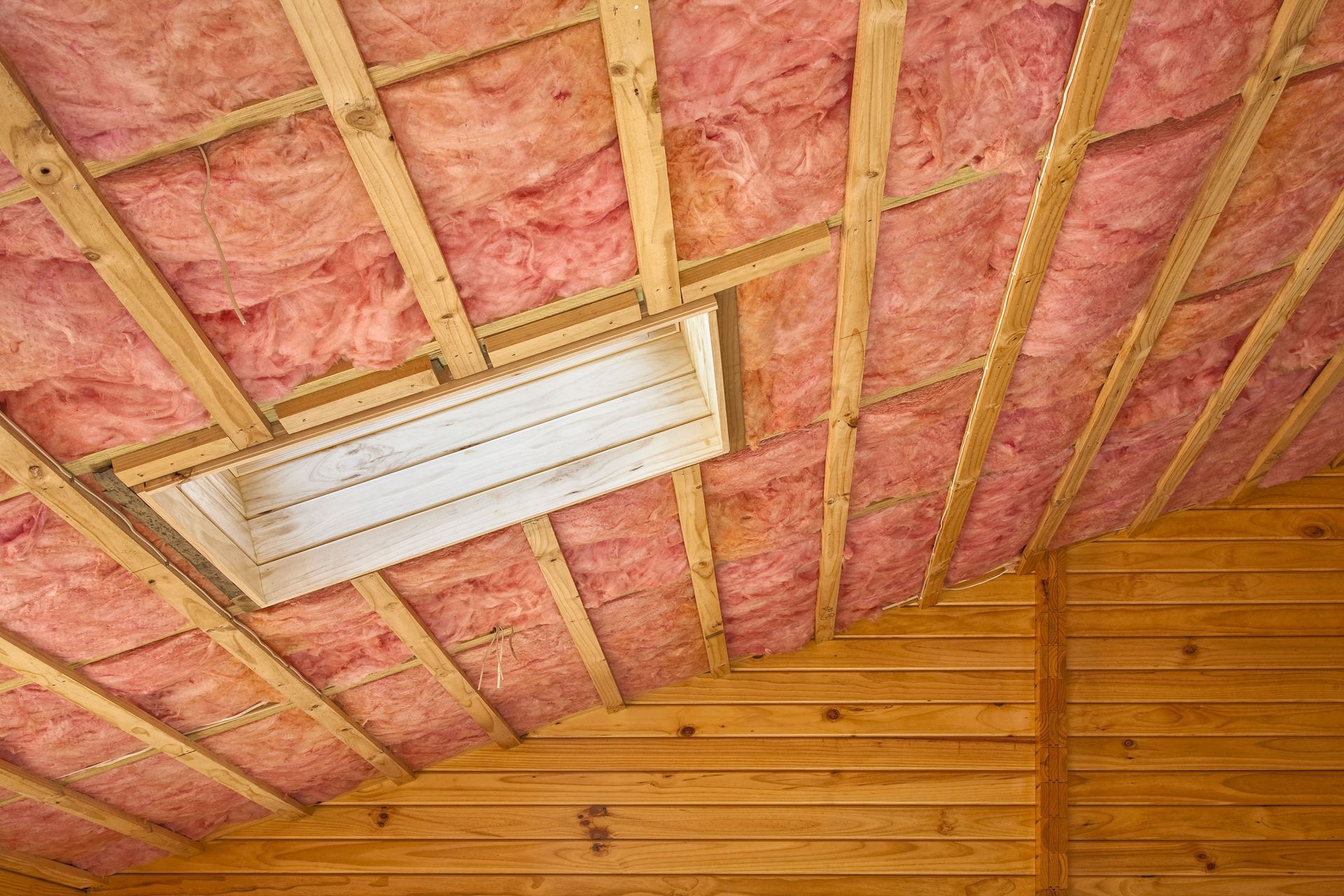
This type of insulation is especially popular in residential buildings for insulating walls, attics, and ceilings. Its flexibility and ease of installation are significant factors contributing to its widespread use. Fiberglass is also resistant to mold, which is an added advantage in maintaining a healthy indoor environment. However, the handling of fiberglass requires care, as the fibers can irritate the skin and respiratory tract if proper precautions are not followed during installation.
Advantages of Fiberglass Insulation
One of the primary advantages of fiberglass insulation is its cost-effectiveness. It provides a balance between affordability and performance, making it a preferred choice for many builders and homeowners. Fiberglass is available in standard sizes and shapes, which simplifies the installation process and reduces waste, further enhancing its cost benefits. Its thermal performance is adequate for general use, which allows it to maintain consistent interior temperatures and reduce energy loss.
Fiberglass insulation is also praised for its fire-resistant properties. Due to its composition, it does not burn easily, adding an extra layer of safety to buildings. It can withstand high temperatures and does not contribute to the spread of fire, which is a critical safety consideration. This characteristic gives it an edge over some other wholesale insulation materials, especially in areas prone to wildfire risks.
In addition to being affordable and safe, fiberglass insulation offers excellent soundproofing capabilities. It can significantly reduce the transmission of noise through ceilings, walls, and floors, creating a quieter and more comfortable living environment. This is especially advantageous in multifamily dwellings or urban areas where sound privacy is a concern. The combination of these attributes makes fiberglass a versatile material suitable for a wide range of applications.
Advantages and Benefits of Foam Insulation
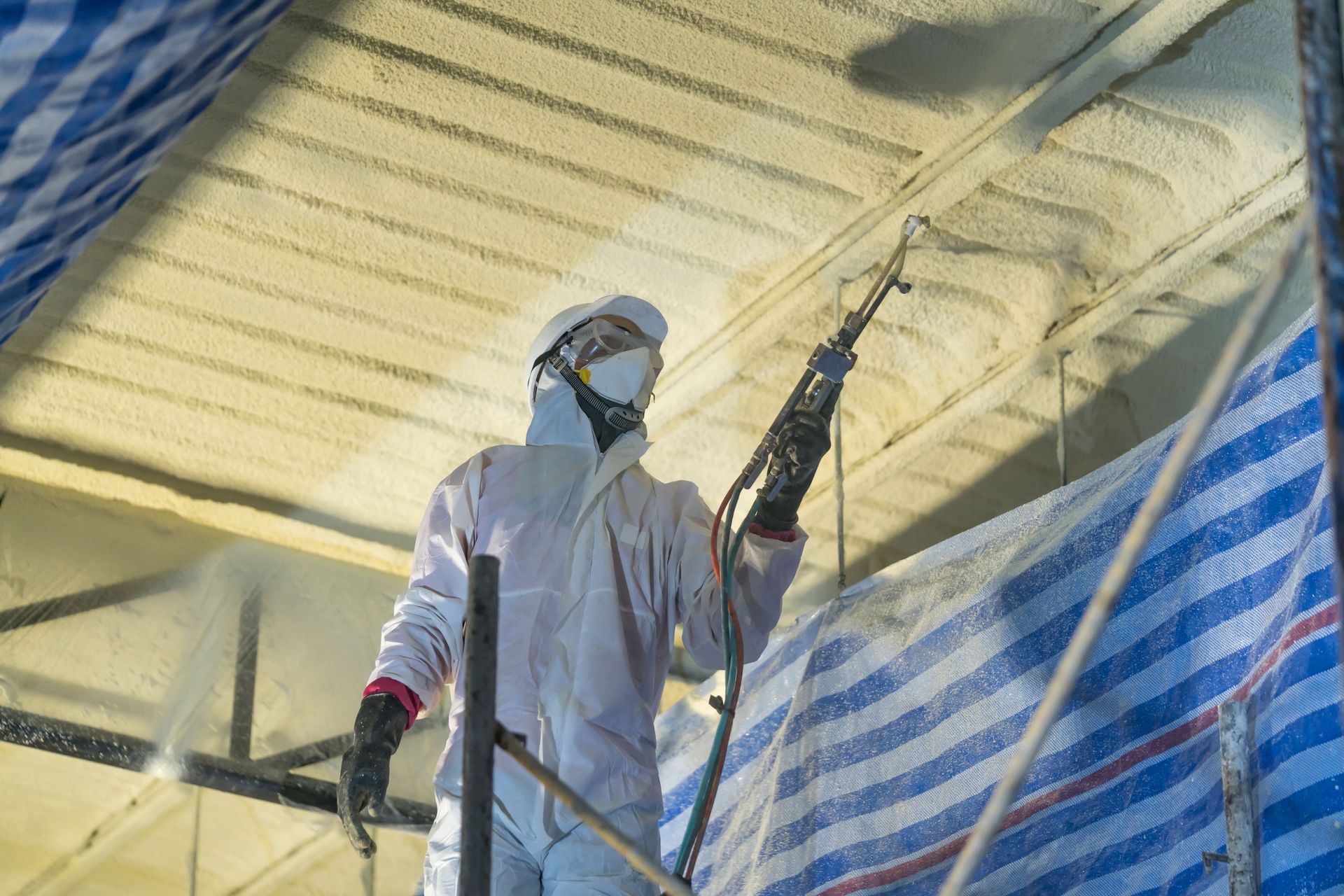
Foam insulation offers superior longevity and structural integrity, as it does not sag, settle, or degrade over time. Once applied, it expands to fill every nook and cranny, creating a seamless thermal envelope. This custom fit eliminates the risk of gaps and voids, effectively preventing thermal bridging and ensuring maximum, long-term energy efficiency.
From a health and safety perspective, foam insulation provides a clean and stable environment. Unlike older fibrous materials, it does not release airborne particles or dust during or after installation, significantly reducing the risk of skin irritation or respiratory issues for installers and occupants alike.
Additionally, foam insulation boasts exceptional moisture resistance. Closed-cell varieties act as a built-in vapor barrier, repelling water and preventing the growth of harmful mold and mildew. With some of the highest R-values per inch available among modern insulators, foam insulation delivers premier thermal performance, making it highly effective even in extremely cold climates.
Applications in Residential and Commercial Buildings
Fiberglass insulation is extensively used in residential construction, particularly in areas that require extensive coverage, like attics, walls, and ceilings. Its ease of installation and cost-efficiency make it an ideal choice for residential spaces. Contractors often use fiberglass batts to insulate new homes during construction or during renovation projects. The insulating properties of fiberglass help these spaces maintain comfortable temperatures year-round, reducing heating and cooling costs.
In commercial buildings, fiberglass is often used in floors, ceilings, and wall cavities to improve energy efficiency and acoustics. It helps in achieving the required R-values specified by building codes while staying within budget constraints. The product's fire-resistant characteristics also make it appealing for commercial spaces where safety is paramount. Fiberglass panels are sometimes used to insulate HVAC systems and ducts, adding to the building's overall energy efficiency.
Moreover, fiberglass insulation products are used in industrial settings, particularly in facilities requiring thermal and sound insulation. It may be used in the manufacturing of industrial equipment or in the construction of warehouses and storage facilities. Its versatility extends to applications in other industries as well, including automotive and marine.
Market Trends and Availability
The market for fiberglass insulation has remained robust over the years, with continued demand driven by new construction and retrofitting projects. Technological advancements have led to improved product formulations, enhancing efficiency and ease of application. Innovations include fiberglass with higher recycled content, which helps meet sustainability goals and environmental compliance.
Global and regional market trends indicate a steady growth in fiberglass insulation usage, supported by government incentives for energy-efficient buildings. The emphasis on reducing greenhouse gas emissions pushes for more robust building codes, thus increasing the demand for proficient wholesale insulation materials like fiberglass.
Choosing the right insulation is essential for maximizing energy efficiency and structural sustainability in modern construction. By understanding the unique benefits and limitations of various options, builders can make informed decisions. Sourcing high-quality wholesale insulation materials and ensuring proper installation will guarantee long-term thermal performance, comfort, and safety across all projects. If you have any questions or would like more information about our insulation services and products, please don't hesitate to reach out to our dedicated team. For wholesale insulation materials, contact Foam Insulation Supply today.